
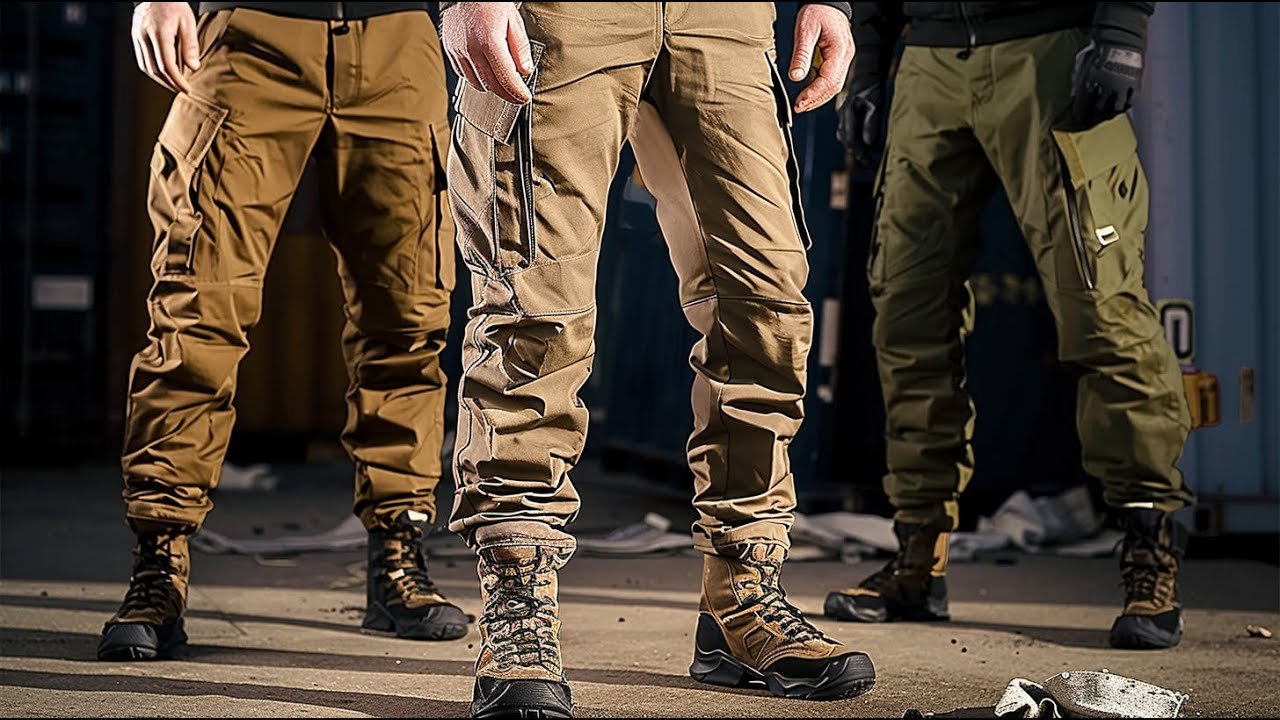

Tactical pants are specialized trousers designed for functionality, durability, and comfort in various environments. Once solely reserved for military, law enforcement, and other high-intensity professions, they’ve gained popularity among outdoor enthusiasts and civilians who want to know everything you need to know about tactical clothing before making a choice. But what sets these rugged pants apart?
And why are so many people, from construction workers to urban explorers, opting for tactical over regular military pants and cargo pants? Let’s break it down, answer the common questions, and find out if tactical pants deserve a place in your wardrobe.
As one outdoor enthusiast put it, “It’s like having a toolbelt you can wear comfortably and look good in.”
Key Features of Tactical Pants
1. High-Performance Fabric
One of the standout features of tactical pants is the material. Typically, they are made from heavy-duty fabrics like ripstop nylon, polyester blends, or cotton blends and are treated with Teflon coatings for added durability. This combination allows tactical pants to resist tears, abrasions, and moisture, making them a go-to option for those who need reliable, long-lasting clothing in tough conditions.
2. Reinforced Stitching and Extra Durability
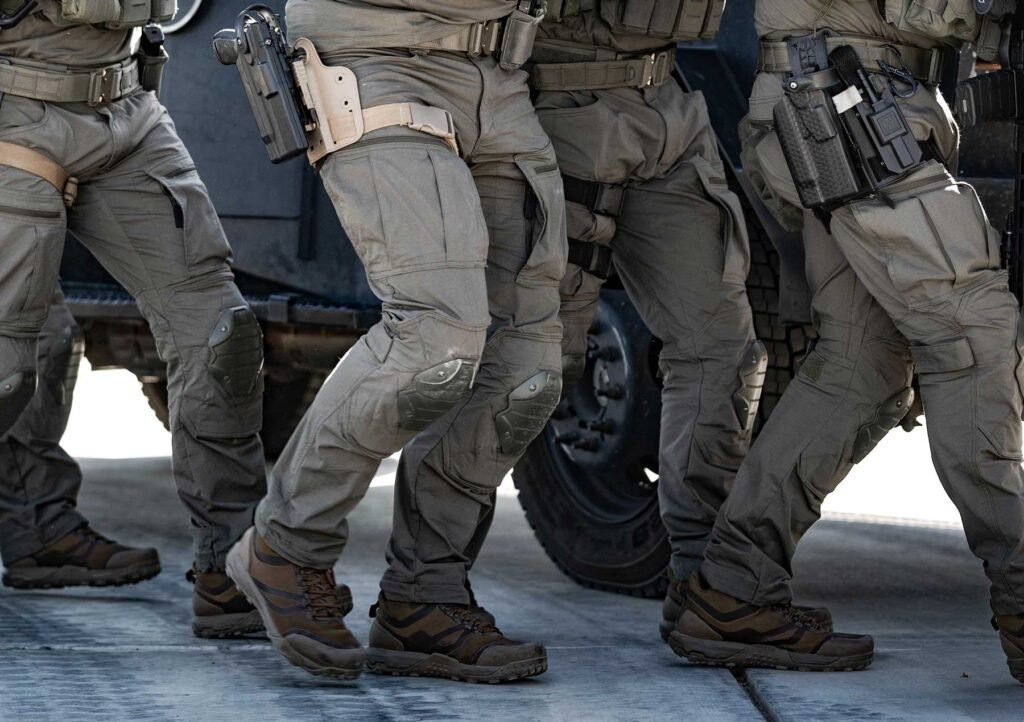
Tactical pants often come with reinforced stitching along stress points such as the knees, seat, and crotch area. This feature minimizes wear and tear, especially during intense physical activities or movements like crouching, bending, and climbing. Some models even include reinforced knees with padding or compartments for optional knee pads, which protect the wearer during tactical operations, hiking, or any activity requiring knee-down positions.
3. Functional Pocket Configuration
One of the defining characteristics of tactical pants is the pocket layout. These pockets are designed to provide quick and easy access to essential items. Many pants include deep, expandable side pockets, small pockets with Velcro or zip closures, and even hidden compartments for securing valuables.
4. Water-Resistant and Weather-Adaptable
Some tactical pants are treated with a water-resistant or water-repellent coating, making them suitable for rainy or damp conditions. They’re designed to dry quickly, so even if you’re caught in the rain, you can expect them to dry faster than regular pants. Tactical pants also adapt to a variety of weather conditions; many options are breathable enough for warm climates but can be layered or paired with thermal wear for cold weather.
5. Flexibility and Range of Motion
Tactical pants are tailored to give a comfortable fit without restricting movement. They’re often designed with gusseted crotches, articulated knees, or elastic waistbands for natural movement. This flexibility is essential for activities that involve running, climbing, or tactical maneuvers, as it prevents the pants from pulling or feeling tight at the wrong moment.
What Is the Difference Between Tactical Pants and Cargo Pants?
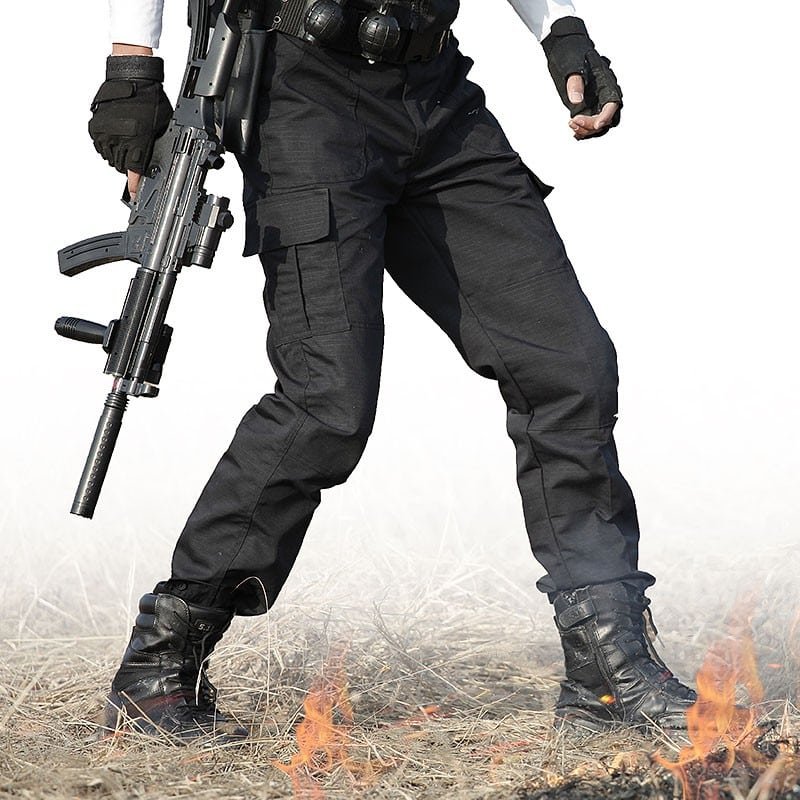
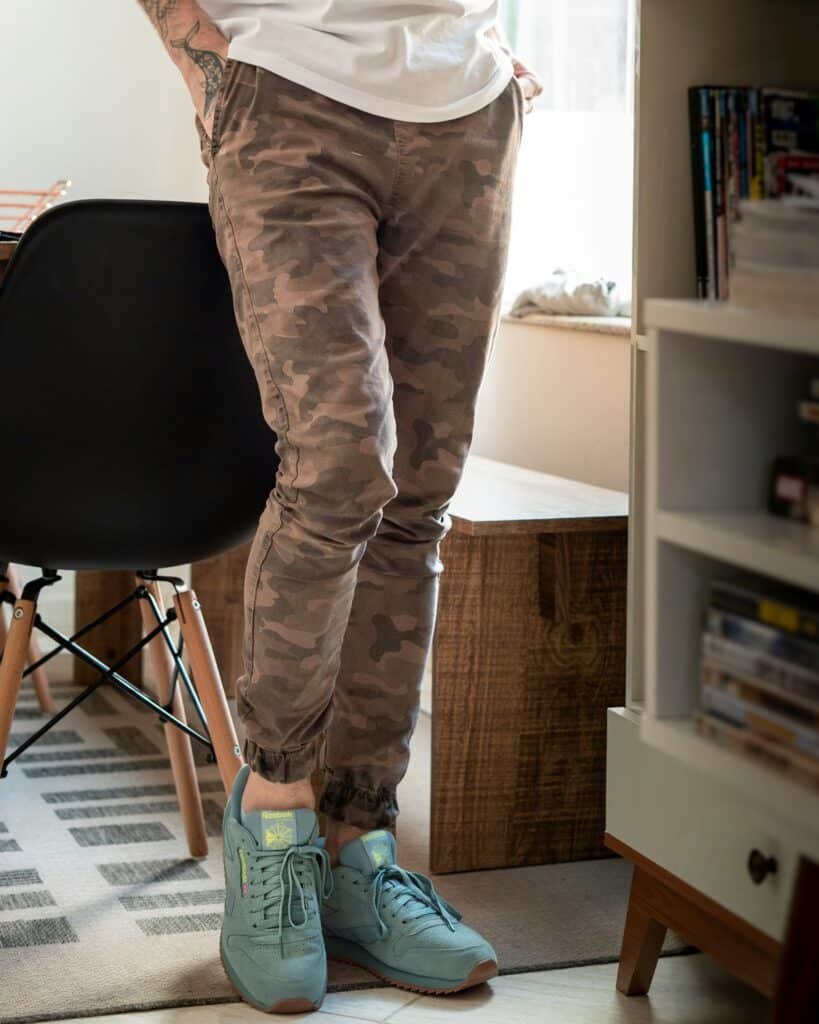
If you’re wondering how tactical pants differ from army cargo pants, you’re not alone—they look similar at first glance, but each has a distinct purpose.
| Feature | Tactical Pants | Cargo Pants |
| Material | Made from durable, high-performance fabrics like ripstop nylon or Teflon-coated blends that resist tears, moisture, and abrasion. | They are typically constructed from softer materials like cotton or cotton blends, prioritizing comfort over ruggedness. |
| Durability | Built for heavy-duty use, featuring reinforced stitching and stress points designed to withstand tough conditions. | Generally less durable, intended for casual wear, and not suited for intense physical activities. |
| Pocket Design | Equipped with multiple functional pockets, including deep, secure compartments, tool slots, and reinforced areas for heavy items. | Usually have a few large pockets on the sides, which provide space but lack tactical pants’ specific, functional design. |
| Fit and Mobility | Often include reinforced knees and seat areas, with extra stitching to prevent wear and tear during rigorous activities. | Typically lack reinforcements, making them less suitable for high-movement tasks. |
| Aesthetic and Style | Designed for freedom of movement, features a more tailored fit that allows for bending and squatting without restriction. | Casual and relaxed look, often featuring a more laid-back style with bold colors and patterns, making them less versatile for professional settings. |
| Usage | Ideal for outdoor activities, tactical operations, law enforcement, and jobs requiring durability and practicality. | Best suited for casual outings, daily wear, and light activities, focusing more on comfort than utility. |
How Should Tactical Pants Fit?
Getting the fit right with tactical pants can make or break how useful they feel. They’re made to be functional, so you don’t want them to fit like skinny jeans, but you don’t want them overly baggy.
Let’s break down how these pants should fit to ensure you get the most out of them, whether you’re on a mission or just running errands.
Key Considerations for Fit
- Waist Fit: Tactical pants usually sit higher on the waist than regular trousers. This design helps them stay in place, especially if you’re wearing a duty belt or carrying gear. The waistband should sit comfortably below your navel, covering your hip bones. A good way to check is to see if you can fit the flat palm of your hand between your abdomen and the waistband. If you can fit a full fist in there, they’re too big!
- Leg Fit: You want your tactical pants to allow for easy movement without being too baggy. Many tactical pants feature special designs like gusseted crotches and articulated knees, which help with mobility. This means you can bend and squat without feeling restricted. The legs should be roomy enough to be comfortable but not so loose that they get in the way.
- Inseam Length: When standing barefoot or in socks, your tactical pants should reach about one or two fingers’ distance above the floor. If they drag on the ground or bunch up excessively, they’re too long; if they barely cover your ankles, they’re too short.
- Knee Pad Position: If your tactical pants have knee pads, make sure they sit correctly when you kneel down. Ideally, about ¼ of the knee pad should cover your knee while the rest protects your shin. If most of it covers your shin, it’s positioned too low; if it mostly covers your knee, it’s too high.
Are Tactical Pants Supposed to Be Tight?
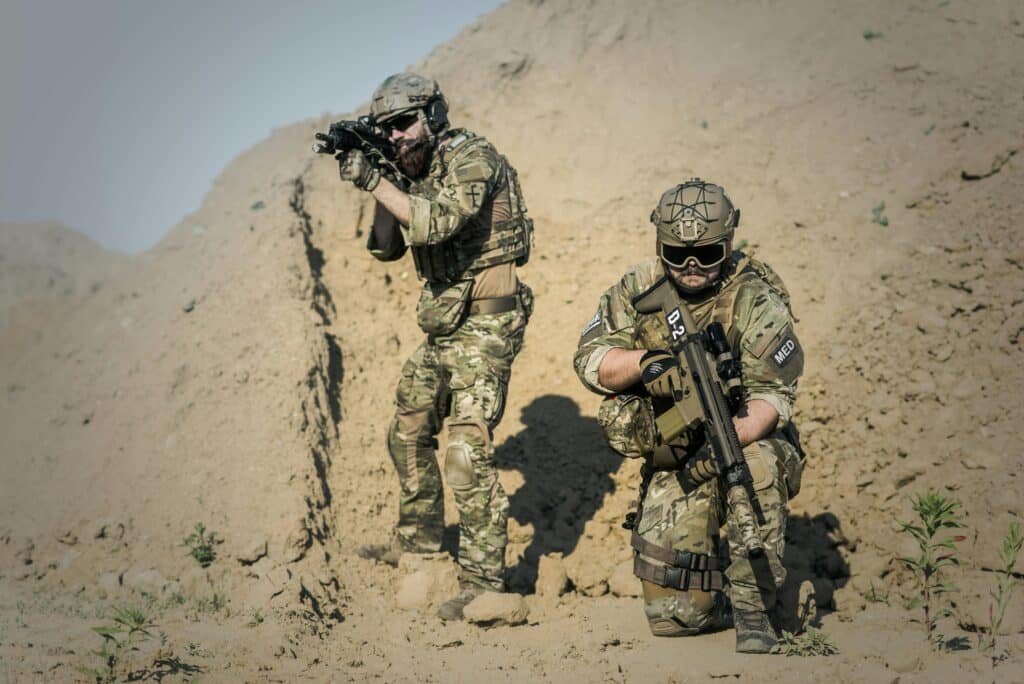
No, tactical pants aren’t supposed to be tight. Think about all the bending, crouching, and moving you’d need to do in them. They should feel snug enough to stay in place but have enough room in the thighs and knees for freedom of movement. A tight fit would only get in the way. When purchasing, it’s best to choose tactical pants that feel comfortable without being restrictive in any key areas.
Why Are Tactical Pants Baggy?
That loose, baggy look isn’t just for show—it’s a functional choice. The extra room allows for layering in colder weather and better airflow in hot weather, so you’re comfortable no matter the conditions. Some pants even come with features like gusseted crotches and articulated knees, making it easy to move without feeling restricted.
- Freedom of Movement
First and foremost, tactical pants’ baggy nature ensures freedom of movement. When engaging in activities requiring bending, crouching, or climbing, a loose fit allows for better flexibility. The extra space in the thighs and knees means you can move without the fabric pulling or constricting your body, making them ideal for action-oriented environments.
- Layering Capabilities
Another functional benefit of a baggy fit is the ability to layer clothing. In colder weather, wear thermal leggings or other base layers underneath your tactical pants. The extra room makes this easy without feeling overly bulky.
- Enhanced Breathability
Breathability is critical for comfort, especially when wearing pants for extended periods. Tactical pants often feature loose designs that allow air to circulate your legs. This airflow can help wick moisture away from your skin and prevent overheating, which is especially important during strenuous activities.
- Room for Gear and Accessories
One of the defining features of tactical pants is their many pockets and compartments. A baggier fit means there’s more room to accommodate these pockets without feeling cramped. Many tactical pants come equipped with specialized pockets for tools, knives, or other gear you might need on the go.
- Durability and Design Integrity
Tactical pants are built for rugged use, and part of their design integrity comes from that baggy fit. The loose structure allows for extra stitching and reinforcements in high-stress areas without compromising flexibility. This construction helps prevent tears and wear and tear over time, which is crucial for anyone who regularly pushes their gear to the limit.
Different Types of Fabrics In Tactical Pants
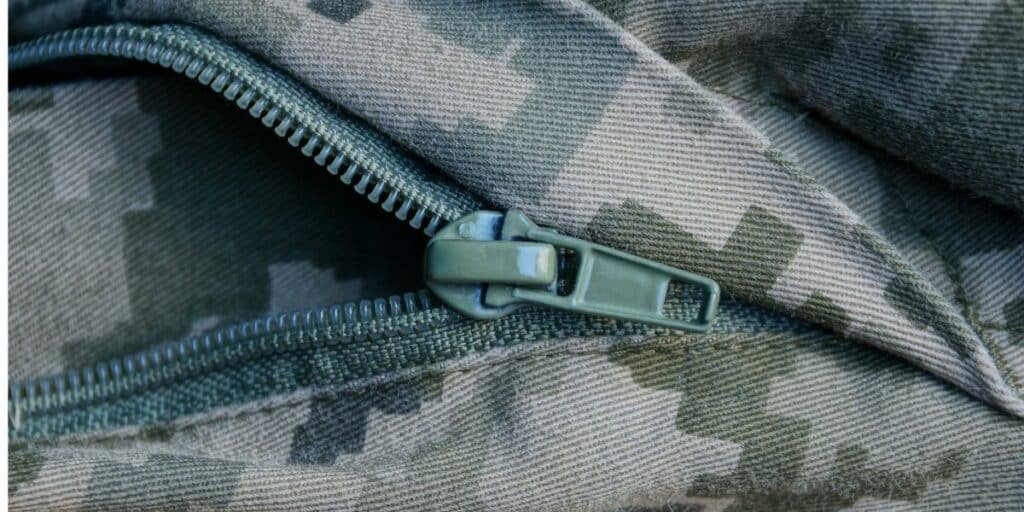
Tactical pants come in various fabrics, each chosen to meet specific needs, from durability to flexibility. Here’s a closer look at the different materials you’re likely to find and what each one brings to the table
- Ripstop Nylon
Ripstop nylon is one of the most popular fabrics in tactical pants and for a good reason. It’s known for its tear-resistant quality, thanks to a unique cross-hatch weave that keeps small rips from spreading. Ripstop is lightweight yet tough, which makes it a favorite among outdoor enthusiasts and those who need gear that won’t quit.
- Polyester-Cotton Blends
Poly-cotton blends offer a comfortable and durable fabric that combines the softness of cotton with the quick-drying strength of polyester. These blends are practical for all-around use, whether on the job or out for a weekend hike.
- Poly-Cotton Ripstop
Poly-cotton ripstop combines polyester and cotton fibers in a balanced blend, often in a 65% polyester to 35% cotton ratio. This pairing is then woven into a ripstop pattern—a grid-like weave that stops small rips from spreading, keeping the pants strong even after taking a hit. The result is a fabric that’s soft, breathable, and incredibly resilient.
Can Civilians Wear Tactical Pants?
Absolutely, and more civilians are choosing tactical pants for everyday wear than ever before. While they started in specialized fields, tactical pants now cater to a broader audience—outdoor lovers, DIY enthusiasts, and even city dwellers browsing Military Clothing for something tough and practical.
- Durability for Daily Wear
Tactical pants are made to last. Their durable materials, such as ripstop nylon or poly-cotton blends, can withstand wear and tear, making them ideal for construction work or any job requiring sturdy gear—if you’re wondering can I use military cargo pants for hiking, the answer is yes too. Even if you’re just navigating daily tasks, tactical pants are built to endure, making them a smart, long-lasting wardrobe addition.
- Functionality in Everyday Life
One of the main reasons civilians love tactical pants is the functionality. With multiple pockets and reinforced stitching, they provide practical storage and comfort for those who carry a lot throughout the day. People who need extra space for tools, gadgets, or simply want a place to stash their phone and wallet find tactical pants particularly useful.
- Versatility for Different Outfits and Activities
Tactical pants come in a range of styles and colors, from the classic olive green and khaki to more neutral shades like black and grey. This versatility allows them to fit into many settings. For example, you can wear them for outdoor activities or even pair them with military and tactical shirts and boots for a more rugged, urban look.
- Comfort for Extended Wear
Thanks to their thoughtful design, tactical pants are comfortable enough for all-day wear. They’re often made with breathable, stretchable materials, making them as suitable for sitting at a desk as they are for hiking. Some styles even come with features like adjustable waistbands, providing a fit that feels more personalized.
Can You Wear Tactical Pants Casually?
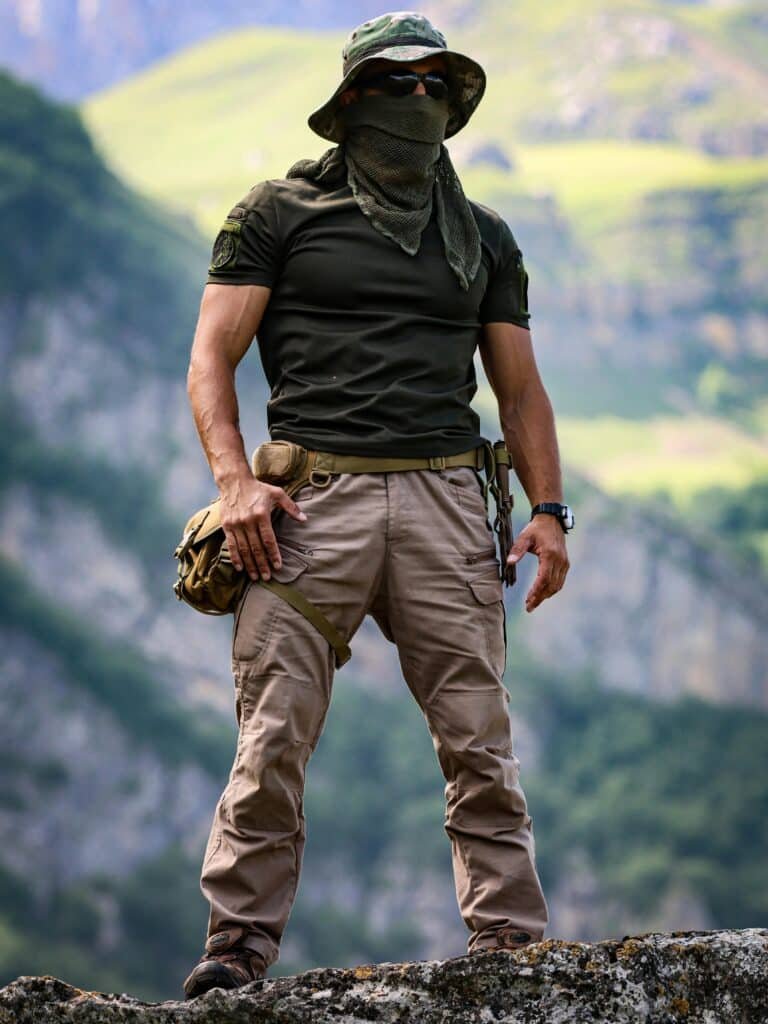
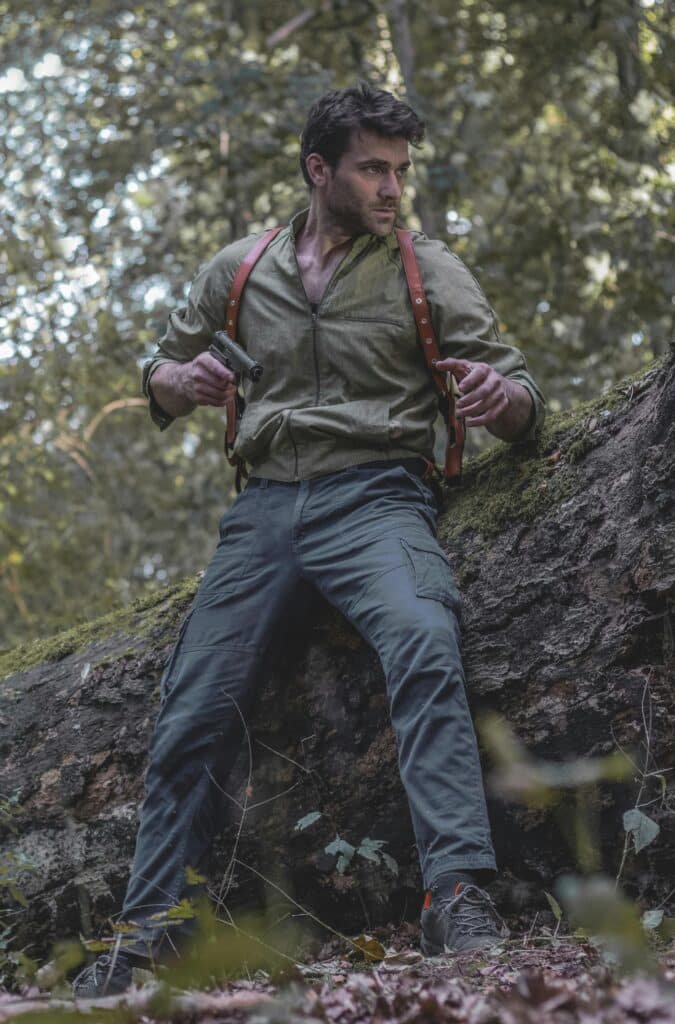
Yes, tactical pants are not only practical but also surprisingly stylish. Their functionality has made them popular in modern fashion circles, and they’re ideal for casual settings. Here’s how to wear them without looking too tactical:
- Casual Tops: Pair your tactical pants with a simple T-shirt, tactical long sleeve shirts, or even a casual button-down. Opt for neutral colors to keep the outfit cohesive and understated.
- Layering Options: A lightweight hoodie or military and tactical outerwear can complete the look, making it perfect for cooler weather. This layering adds warmth and gives you that “effortlessly cool” look.
- Street Style Influence: With the rise of streetwear, tactical pants have become part of a stylish urban aesthetic. When styled correctly, they give off a laid-back, ready-for-anything vibe.
- Mixing Textures: For a unique touch, mix and match your tactical pants with softer fabrics like cotton or linen. This contrast adds visual interest and keeps the outfit from looking overly rugged.
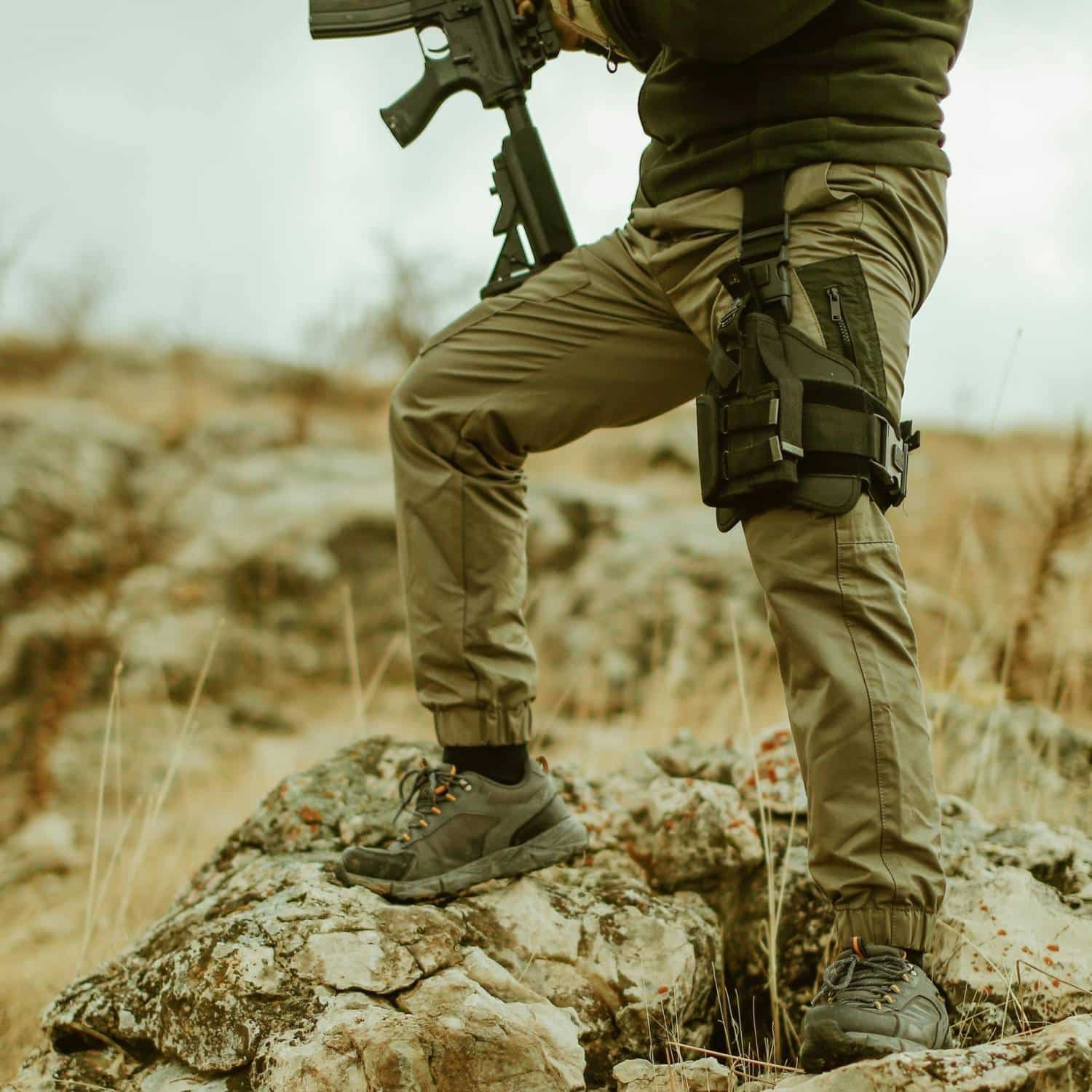
More intels about our Tactical Pants
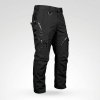
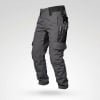
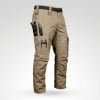
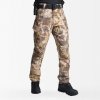
Discover our wide range of tactical pants for outdoor enthusiasts, law enforcement professionals, and tactical operators alike. Many colors available.
 Tactical pants
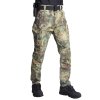
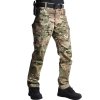
Tactical camo pants
Price range: $64.90 through $69.90Select options This product has multiple variants. The options may be chosen on the product page- Army cargo pants
Tactical waterproof cargo pants
Price range: $48.90 through $56.90Select options This product has multiple variants. The options may be chosen on the product page - Tactical pants
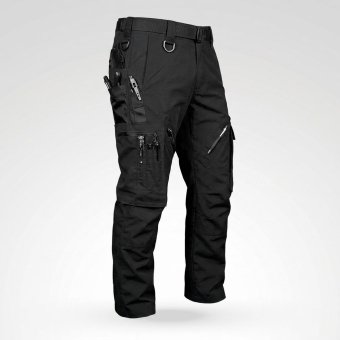
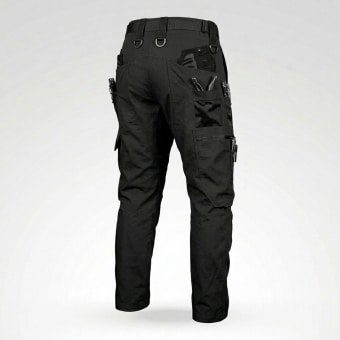
Slim tactical pants X-line
$65.90Select options This product has multiple variants. The options may be chosen on the product page




Wrapping Up
Whether you’re tackling tough terrain, working on a project, or just looking for pants that hold up better than jeans, tactical pants have something to offer. “Tactical pants aren’t about looking tough; they’re about being ready for anything.”
If you’re thinking about adding tactical pants to your wardrobe, we have a great selection to explore at Kula Tactical. With various styles and colors, you’ll find exactly what you need—whether it’s for serious outdoor tasks or just a practical outfit for running errands.