
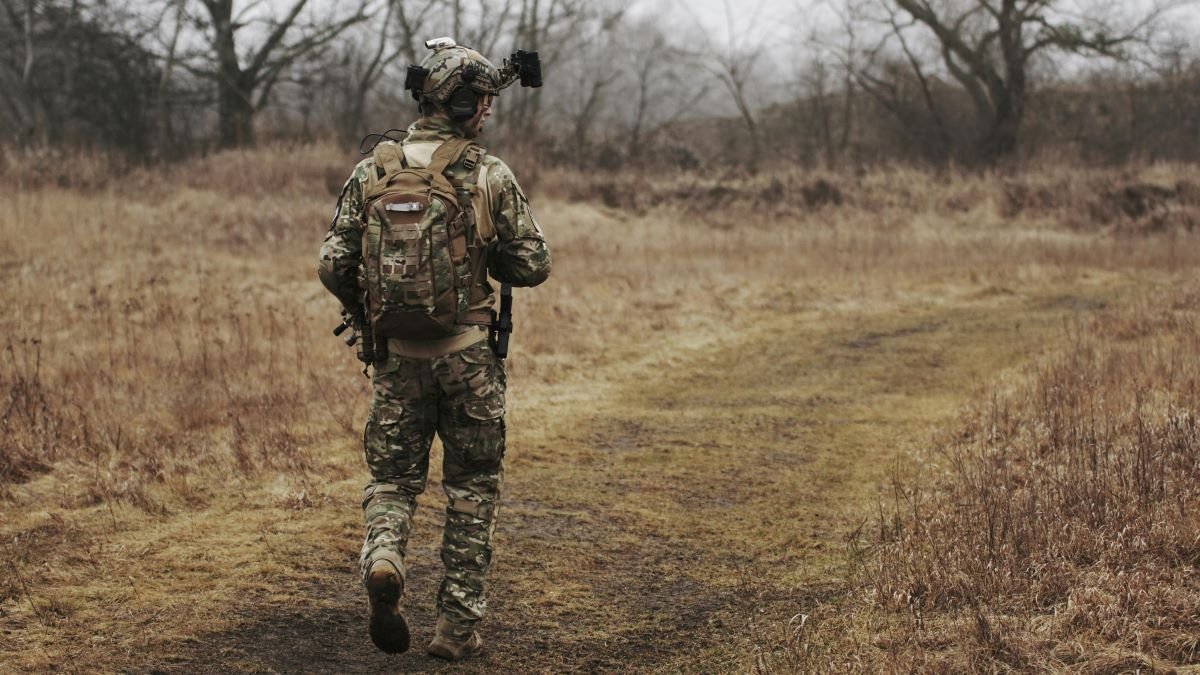

Choosing a tactical backpack isn’t about buying the biggest bag or the most “military-looking” one. The right backpack depends on your routine, how long you’ll be away from your main supplies, and what you need to carry comfortably throughout the day. Some people need a compact pack for commuting and daily carry, while others need a larger backpack for travel, training, or multi-day use. In this guide, you’ll learn how to pick the right size and type of tactical backpack, what to pack inside it, and how to match your backpack to your lifestyle and mission. The best tactical backpack is the one that fits your essentials without overpacking or wasting space.
“Your backpack should support your movement, not slow you down.”
Are Tactical Backpacks Good for Everyday Use?
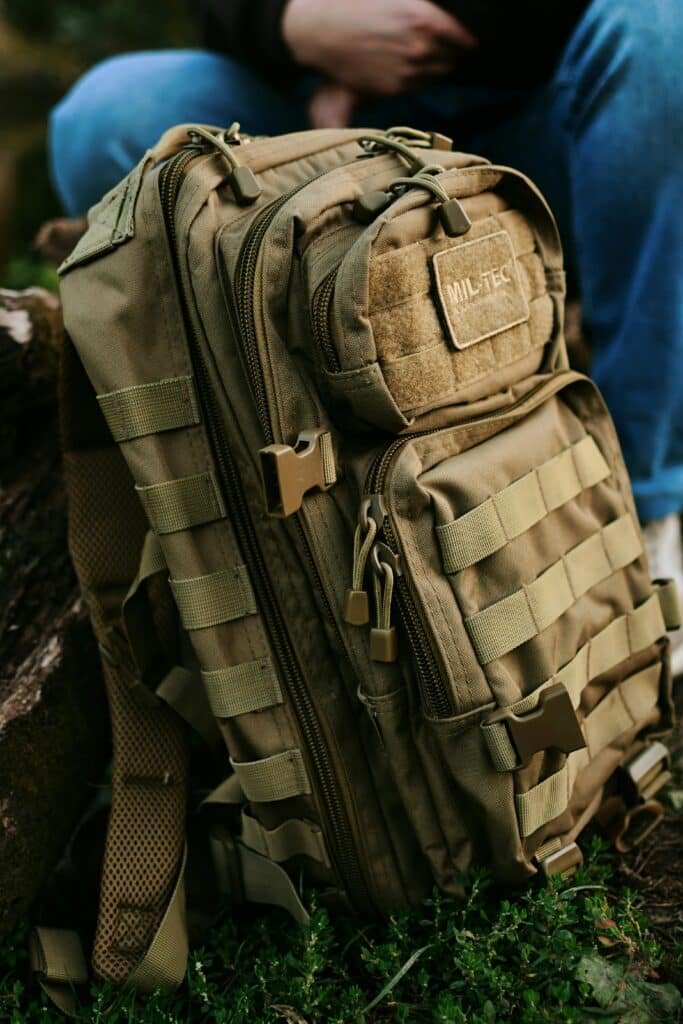
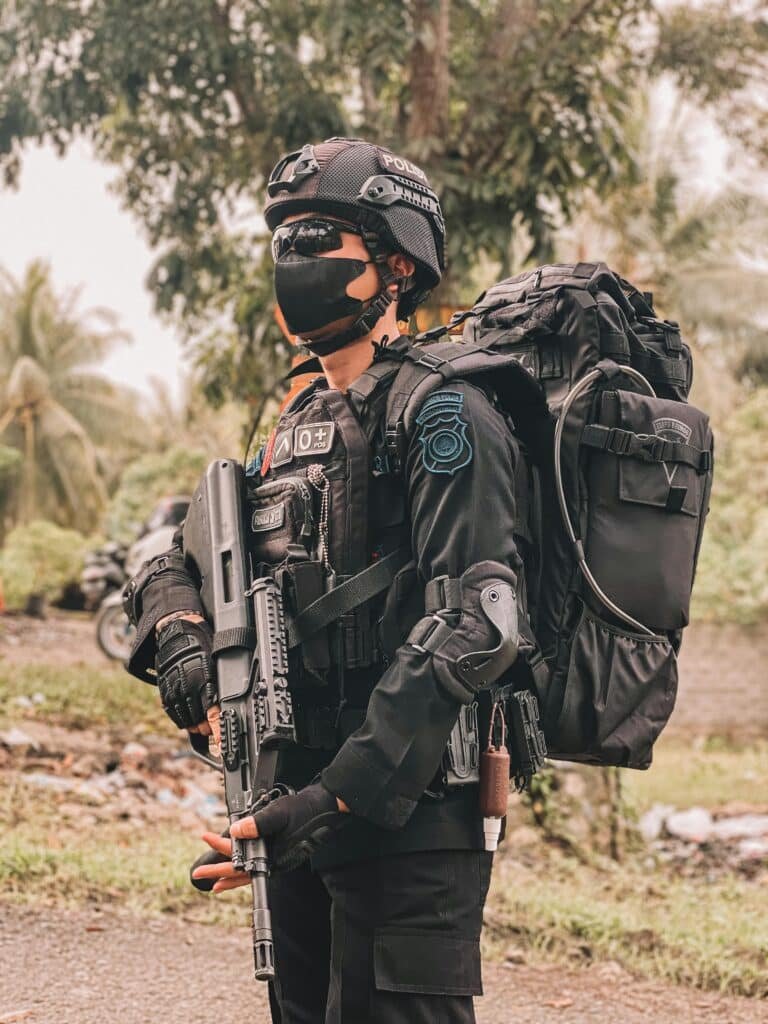
Yes, tactical backpacks are excellent for everyday use, and understanding what is a tactical backpack helps explain why they’re built for repeated wear and demanding routines. They typically use stronger stitching, tougher materials, and reinforced strap systems, which helps them stay comfortable even when you carry daily essentials for long hours. Many people prefer tactical backpacks for everyday carry because the layout is more functional than regular bags, meaning you get better organization, faster access to essentials, and a more secure way to store your gear. Another reason tactical backpacks work well daily is reliability. They don’t lose shape quickly, and they hold up better against weather, movement, and everyday stress.
What Is the Perfect Size for a Backpack?
The perfect backpack size depends on how you plan to use it and how much you need to carry. Here are the most practical size ranges to follow:
- 0–20L for Daily Use (EDC): This size is ideal for everyday essentials like your phone, wallet, charger, small kit, and a water bottle. It stays lightweight, comfortable, and easy to carry all day without feeling bulky.
- 20–40L For Short Trips: A 20–40L backpack gives you enough space for extra clothing, toiletries, snacks, and additional gear. It’s the best option when you need flexibility for 1–2 days without carrying a heavy pack.
- 40–65L+ For Multi Day Adventures:This size is designed for extended use where you need more clothing, layers, and supplies packed in an organized way. It’s best when you want a backpack that can handle 3+ days or a larger gear setup.
What Are Different Tactical Backpack Sizes by Use Case?
| Backpack Capacity | Best Use Case | Why It Fits |
| 0–20L | Daily carry, work, commuting | Lightweight, compact, easy mobility |
| 20–40L | Weekend travel, short trips | Balanced capacity, better organization |
| 40–65L+ | Multi-day use, heavier load | High storage, supports extended carry |
How Do I Choose the Right Tactical Backpack Size?
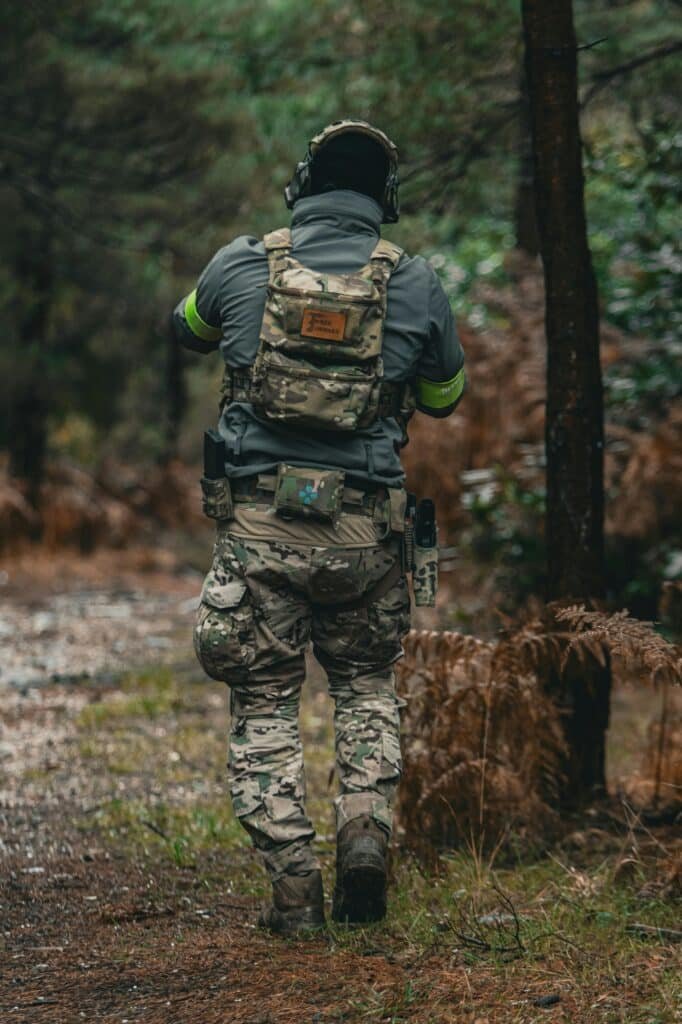
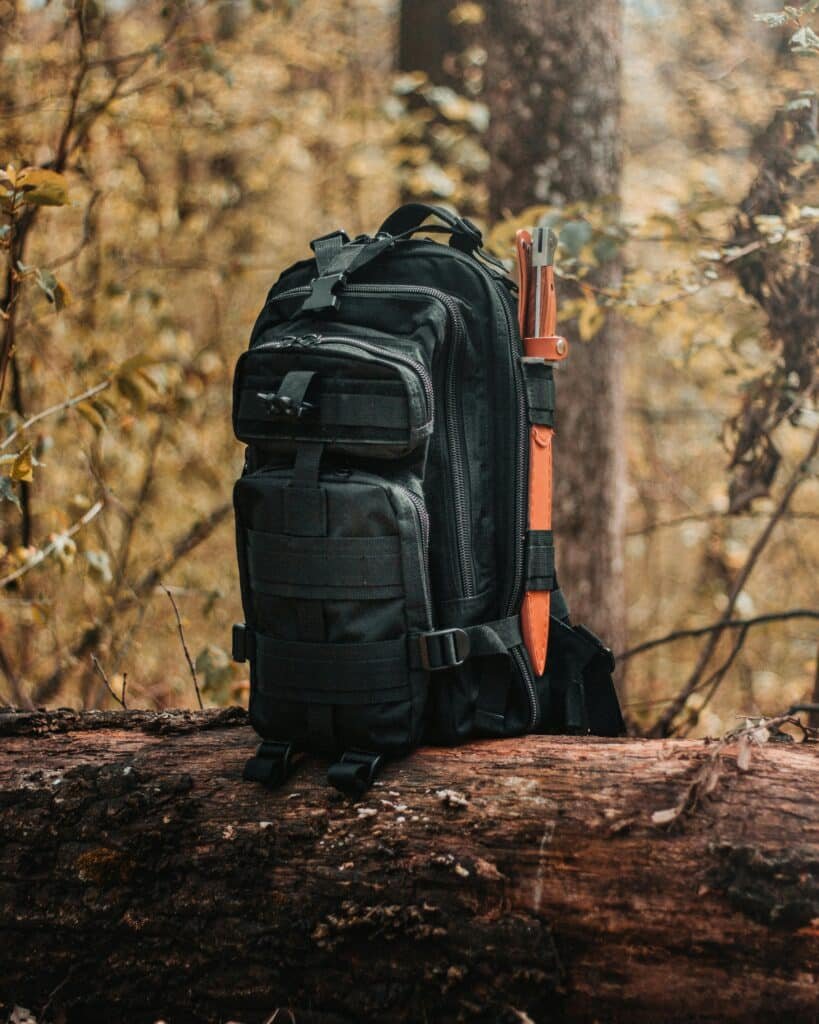
- Choose Based on Purpose: Start with how you’ll use the backpack: daily carry, travel, training, or multi-day use. Your purpose decides the size more accurately than anything else. A backpack should carry what you need, not force you to carry more.
- Estimate Your Typical Load: Think about what you carry on most days, not the maximum load you might carry once. If your essentials include only small items, a compact bag is best. If you regularly carry extra clothing, gear, or equipment, you’ll need a larger capacity.
- Select a Capacity Range: Use a practical size range that matches real situations: 0–20L for daily carry, 20–40L for short trips, and 40–65L+ for multi-day use. These ranges help you choose quickly without guessing. The right size feels usable without being bulky.
- Focus on Comfort and Carry Balance: A backpack can be the right size on paper but still feel uncomfortable when worn. The bag should sit close to your back, with weight evenly distributed and no pulling on your shoulders. If it shifts while walking, the size may be too large for your routine.
- Leave Room Without Overpacking: Your backpack should have enough space to stay organized, not packed tight to the zipper. If you cram everything in, access becomes slow and the bag feels heavier. The goal is to have a little free space for flexibility without turning it into a storage box.
- Think About Daily Movement: If you’re moving through crowded areas, commuting, or wearing the bag for many hours, a smaller backpack stays more comfortable. Bigger sizes are better when you’ll be carrying gear for longer periods or need extra supplies. Size should support your movement, not restrict it.
What Features Should a Good Tactical Backpack Have?
A good tactical backpack isn’t just about size, it’s about how well it performs under daily wear, travel, and demanding use. Here are the key features that matter most when choosing a reliable tactical backpack:
- Durable Material: A high-quality tactical backpack should be made from tough, abrasion-resistant fabric that can handle frequent use without tearing. Strong material is especially important if you use your backpack outdoors, for work, or for carrying heavier gear regularly.
- Reinforced Stitching and Build Quality: The stitching is one of the first things that fails in low-quality backpacks. A reliable tactical backpack uses reinforced seams in high-stress areas like the shoulder straps, top handle, and zipper corners.
- Comfortable Shoulder Straps and Back Support: Comfort matters because even a great backpack becomes useless if it feels painful after an hour. Look for padded shoulder straps and a supportive back panel that reduces pressure during long wear.
- Smart Compartment Layout: A tactical backpack should keep your gear organized, not mixed together in one big pocket. Multiple compartments and quick-access pockets help you store essentials in a structured way
- MOLLE System or Attachment Options: Many tactical backpacks include MOLLE webbing, which allows you to attach extra pouches and accessories. This feature is useful when your carry needs change and you want a modular setup.
- Strong Zippers and Secure Closures: Zippers take constant pressure and are often the weak point in cheap bags. A good tactical backpack should have durable zippers that run smoothly even when the bag is full.
- Water Resistance and Weather Protection: While not every tactical backpack is fully waterproof, a good one should handle light rain and rough weather. Water-resistant fabric and protective design details help keep your gear safer.
What Are Different Types of Tactical Backpacks According to Your Needs?
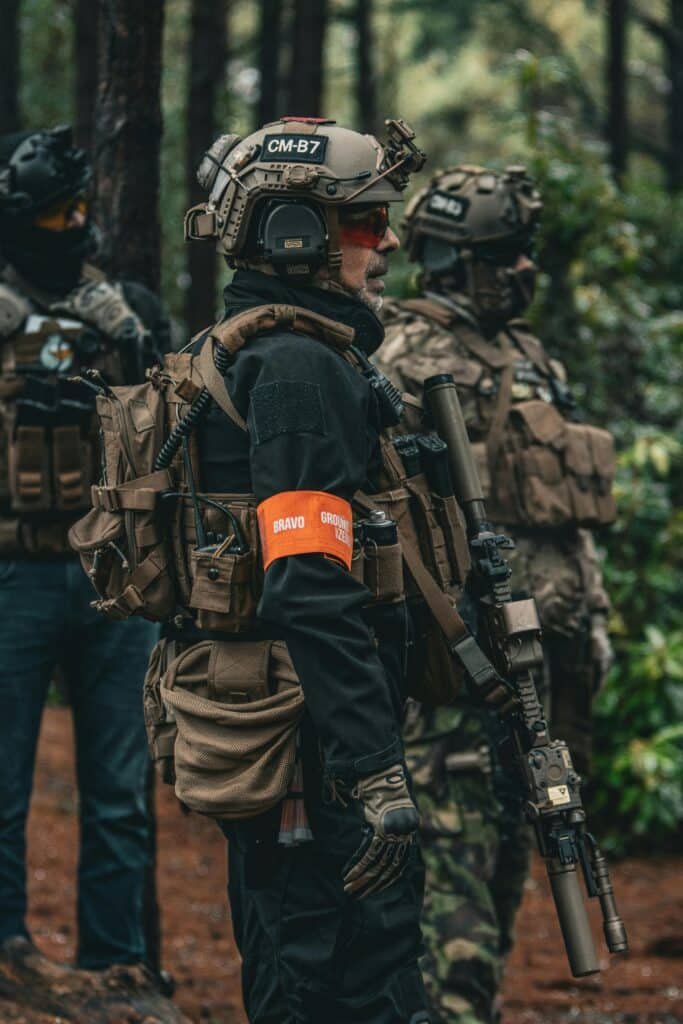
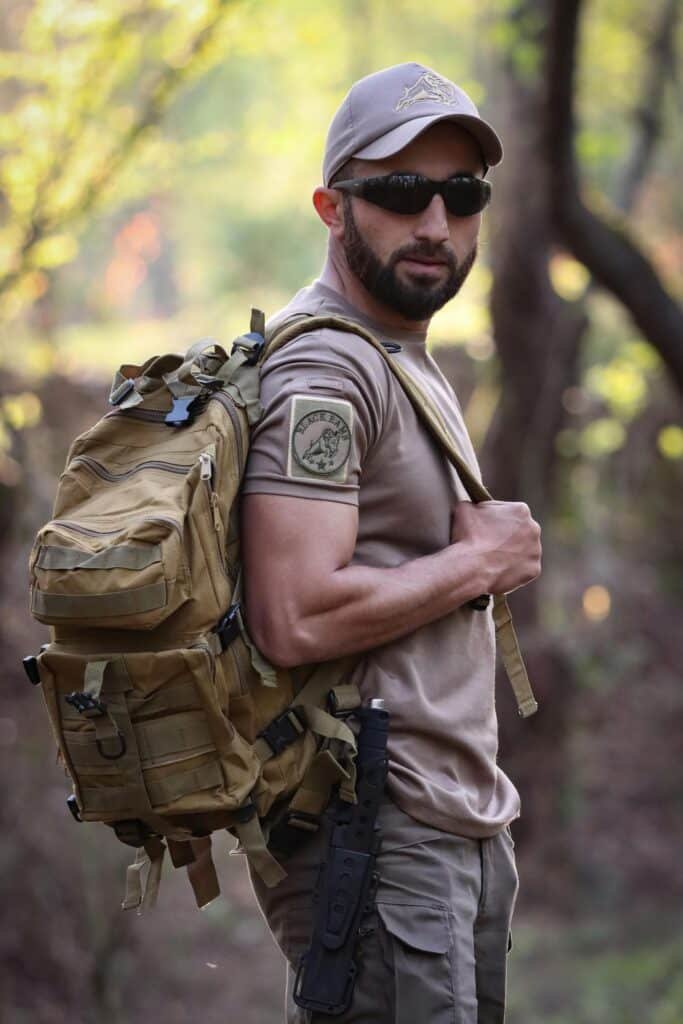
- Small Tactical Backpacks (1–2 Day): These are best for everyday carry, work, commuting, and short trips where you only need essentials. They stay lightweight, easy to move with, and comfortable for long daily use.
- Large Tactical Backpacks (3+ Days): Large backpacks are built for extended use when you need extra clothing, gear, and supplies in one organized setup. They’re ideal for heavier loadouts and situations where capacity and comfort both matter.
- Hydration Backpacks: Hydration backpacks are designed for active movement where quick water access is important. They keep your load compact while supporting training, outdoor use, and long hours on the move without stopping to reach a bottle.
- Canvas Backpacks:Canvas backpacks offer a classic rugged style with reliable durability for daily wear and outdoor routines. They’re a strong option when you want a tough backpack that looks clean and works well beyond tactical settings.
- Laptop Tactical Bags:These are designed for work and travel, with space and structure to carry electronics safely. They usually offer better organization for daily carry, making them ideal for users who want tactical durability with a professional layout.
- Chest Bags:Chest bags are built for fast access and lightweight carry, keeping essentials in front of your body. They’re perfect when you want mobility and quick reach without removing your backpack.
- Rifle Bags: Rifle bags are specialized for secure transport and protection of equipment. They focus on safe storage, stability, and organization during travel or movement where protection is essential.
What Is the Difference Between Hydration and Canvas Backpacks?
Hydration backpacks are built for movement and hydration access first. They are designed to carry water in a streamlined setup, often staying lightweight and stable while still offering space for essentials. This makes them useful when you want to stay mobile and avoid stopping frequently to reach a water bottle.
Canvas backpacks, on the other hand, focus more on rugged durability and everyday versatility. They often feel more structured and lifestyle-friendly while still being tough enough for outdoor use. If hydration backpacks are built around function during movement, canvas backpacks are designed to feel reliable in everyday routines while still supporting outdoor-ready toughness.
Wrap Up
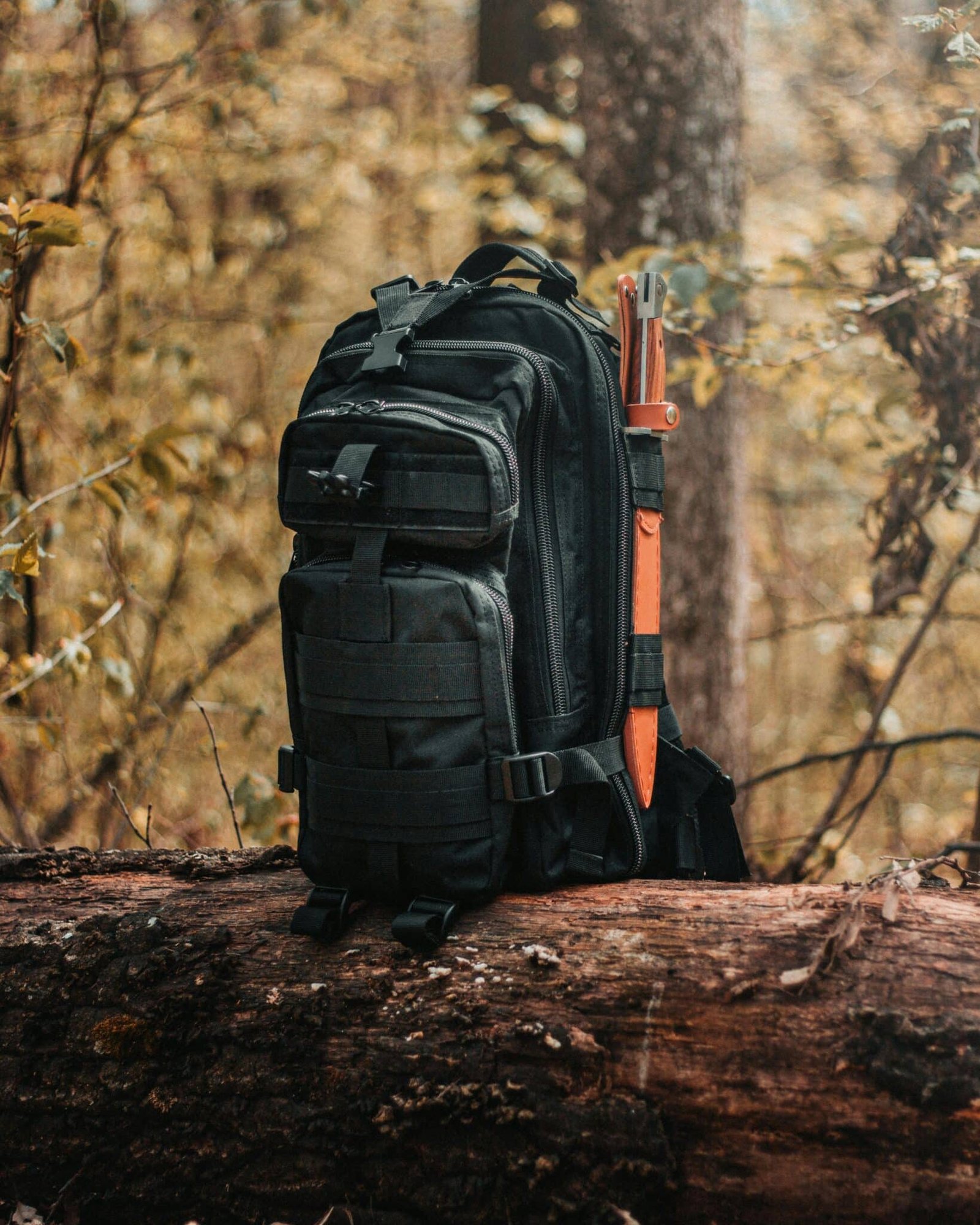
More intels about our Tactical Bags & Backpacks
Discover our tactical backpacks built for durability, smart storage, and everyday performance.

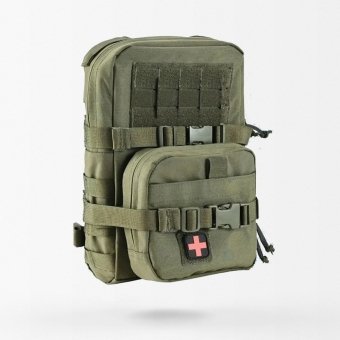
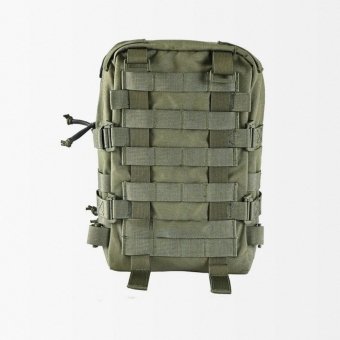
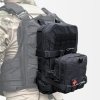
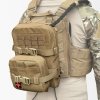
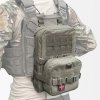
- Tactical Hydration Backpacks
Tactical hydration pack pouch
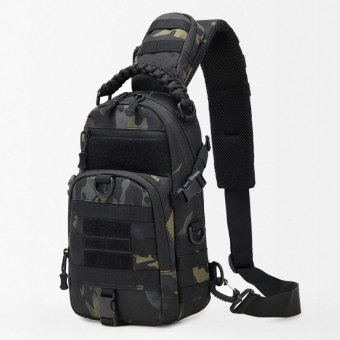
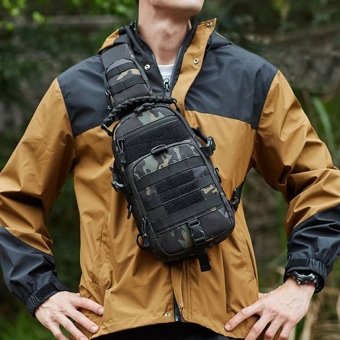
Price range: $131.90 through $134.90Select options This product has multiple variants. The options may be chosen on the product page - Tactical sling bag
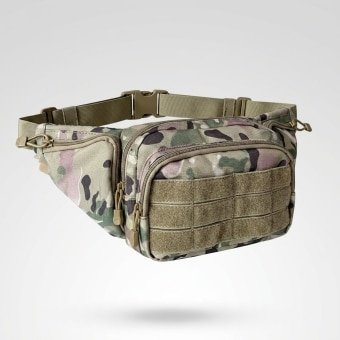
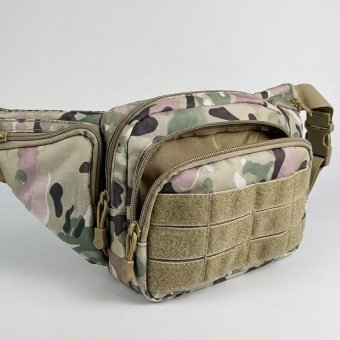
Tactical edc sling bag
Price range: $40.90 through $42.90Select options This product has multiple variants. The options may be chosen on the product pageBlackKhakiMulticam Black
Choosing the right tactical backpack becomes simple when you focus on two things: size and type. A compact 0 to 20-liter backpack works best for everyday carry, a 20 to 40-liter backpack offers a strong balance for short trips, and a 40 to 65-liter backpack supports multi-day needs and heavier loads. Once size is clear, selecting the right type helps you get the best performance, whether you need hydration support, rugged canvas durability, fast-access chest carry, or specialized rifle transport. If you want reliable options built for real-world performance, Kula Tactical offers a strong range of tactical backpacks, bags, and accessories designed for comfort, organization, and long-term durability.
