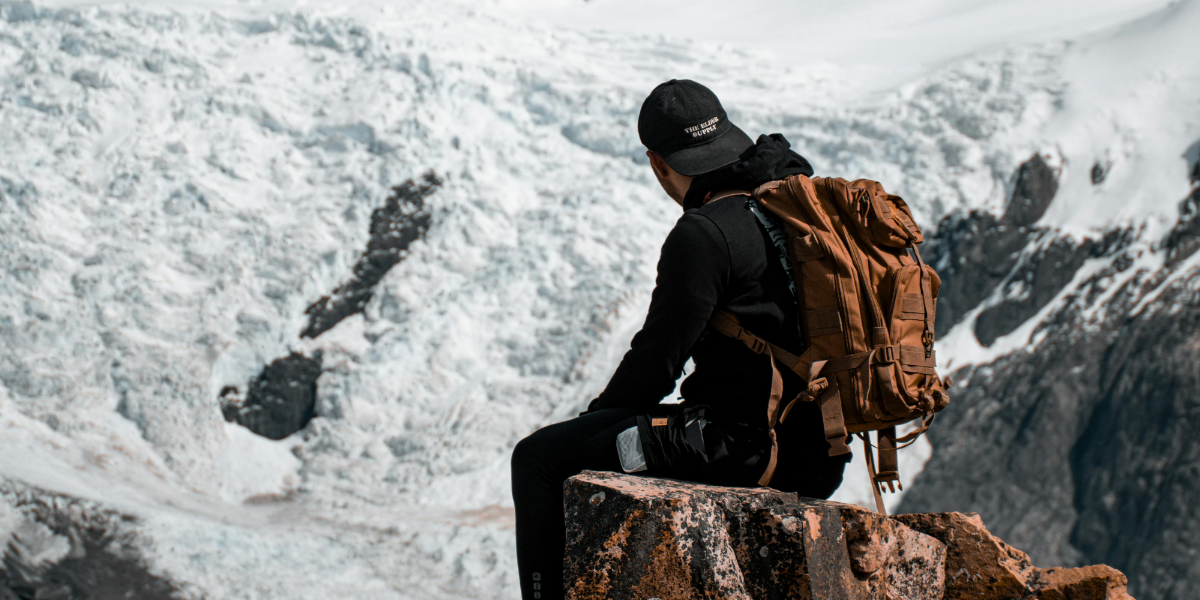

Preparing for a 24-hour outdoor trip requires more than just packing random essentials. Whether you’re hiking, training, or exploring, carrying the right gear can make a significant difference in comfort, safety, and performance. A well-packed tactical backpack allows you to stay organized, carry essential gear efficiently, and remain prepared for unexpected situations during a 24-hour outdoor trip. In this guide, you’ll learn how to pack your backpack properly, what to carry, and how to ensure maximum comfort and efficiency throughout your journey.
Is a Tactical Backpack Good for Travel?
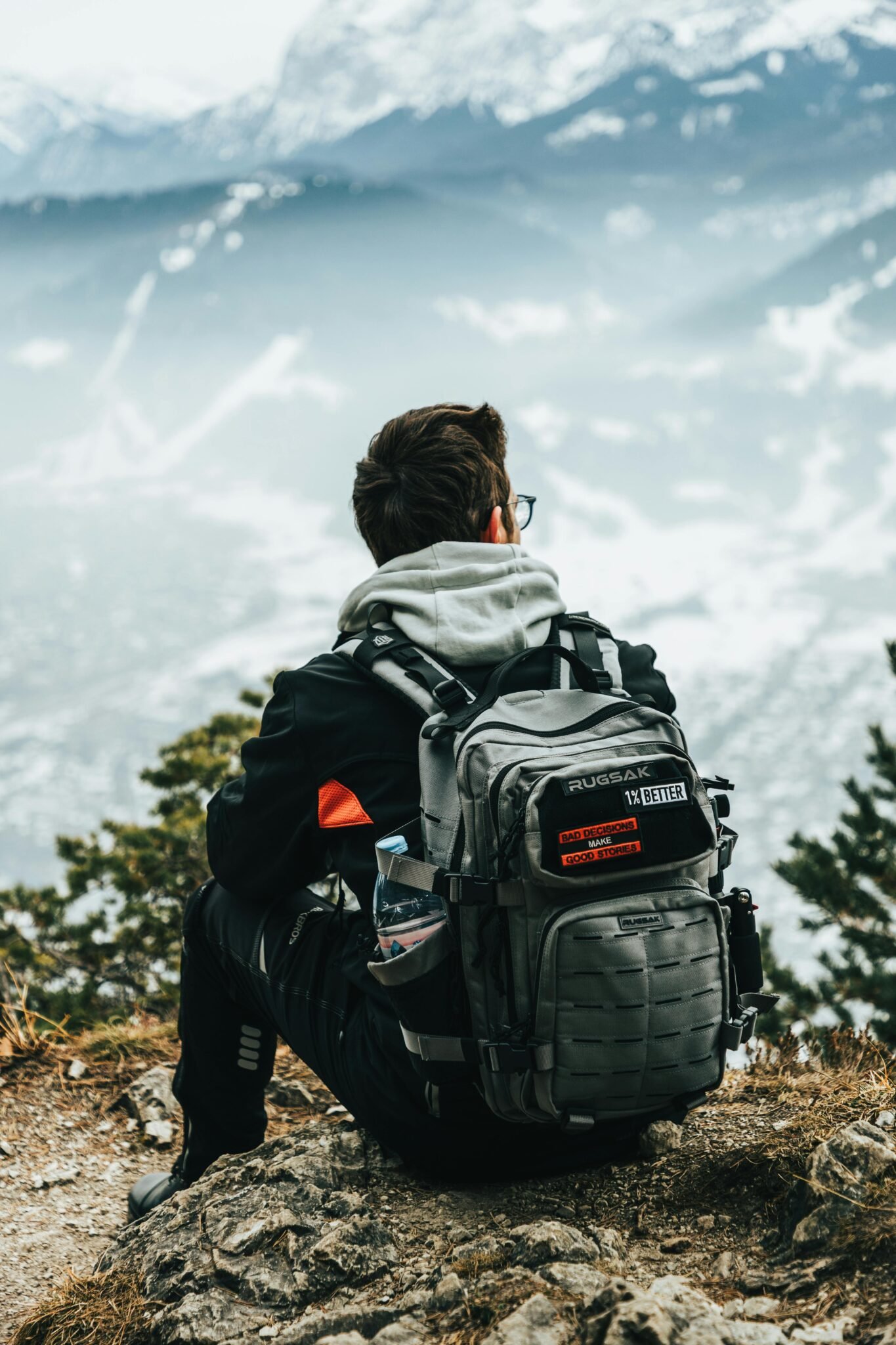
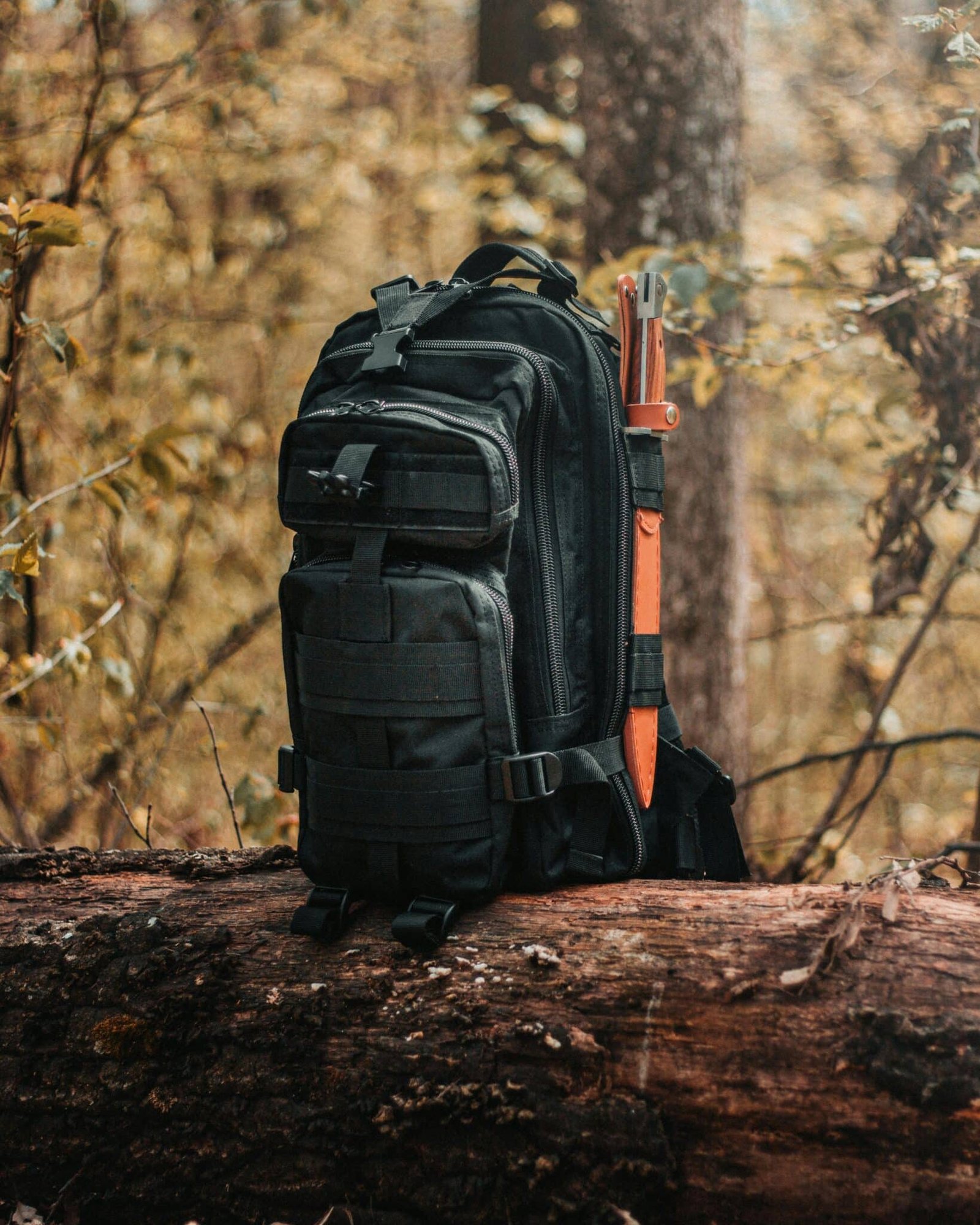
A tactical backpack is highly suitable for short outdoor trips and even travel due to its durability, structured compartments, and ergonomic design. Unlike regular backpacks, understanding what is a tactical backpack makes clear why they are built to handle rugged environments while keeping gear organized and easily accessible. They are especially useful for 24-hour trips because they offer multiple compartments for separating essentials like food, tools, and clothing. Their strong build and adjustable straps also make them comfortable for long hours of use, whether you’re hiking, training, or moving through outdoor terrain. Many users prefer canvas tactical backpacks for travel and outdoor trips because they combine rugged durability with a more flexible, lightweight feel.
How Do You Properly Pack a Tactical Backpack?
- Place Heavier Items Close to Your Back: Keep items like water, tools, and food near the center of your back. This improves balance and reduces strain on your shoulders during long use.
- Distribute Weight Evenly Across the Pack: Avoid loading one side more than the other. Even weight distribution helps maintain stability while walking or hiking.
- Keep Frequently Used Items Accessible: Store items like water bottles, snacks, or navigation tools in outer compartments so you don’t have to stop and unpack everything.
- Organize Gear by Category: Separate food, clothing, tools, and emergency gear into different compartments. This makes it easier to locate items quickly.
- Use Compression Straps to Secure the Load: Tighten straps to prevent items from shifting inside the backpack. This keeps the pack stable while moving.
- Avoid Overpacking the Backpack: Only carry what you need for the trip. Extra weight leads to fatigue and reduces mobility.
- Adjust Straps for Proper Fit: Tighten shoulder straps, chest straps, and waist belts so the weight is evenly supported across your body.
What to Pack in a Tactical Backpack for a 24-Hour Trip
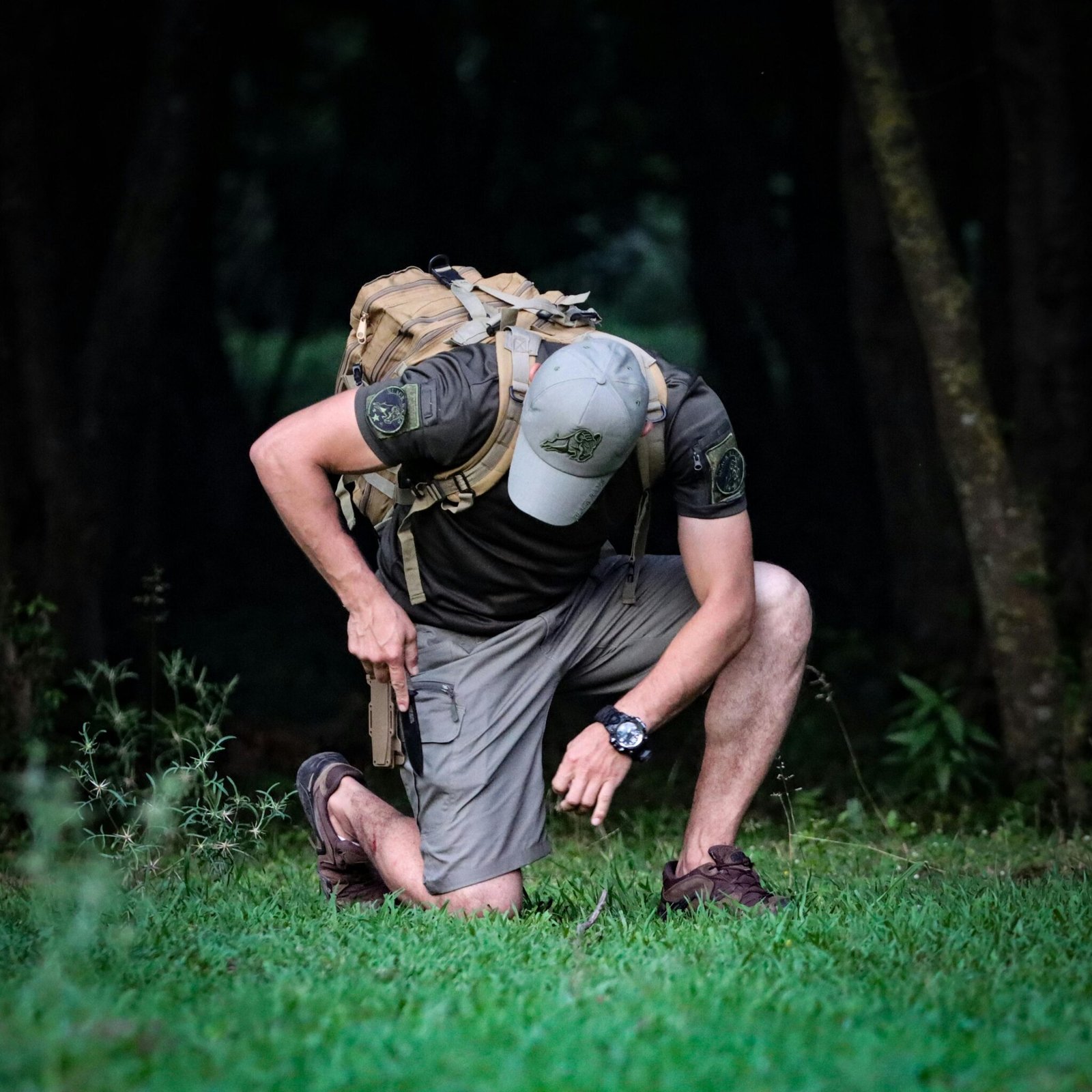
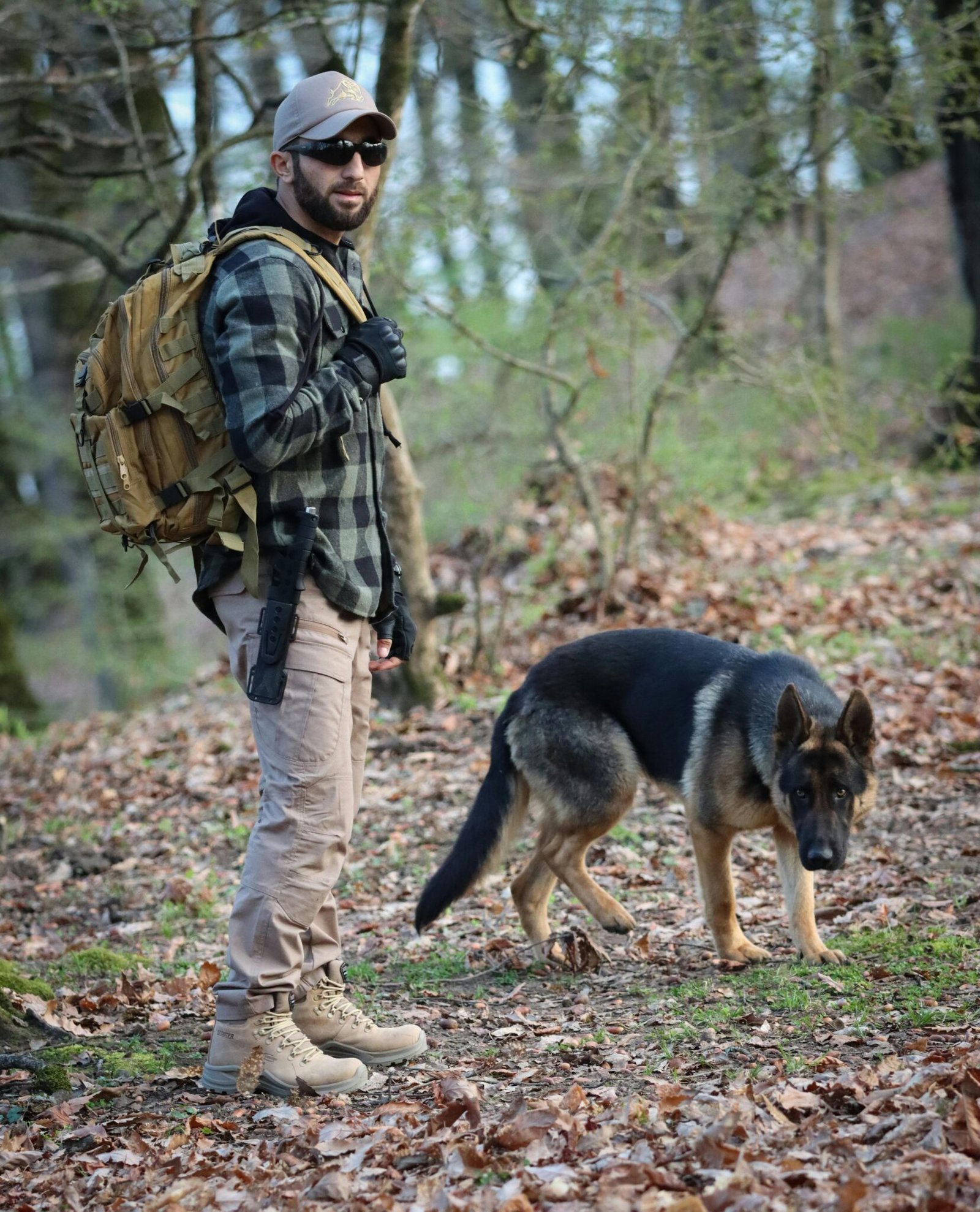
- Water and Hydration Gear: Carry enough water to last the trip, along with a hydration system or bottle for easy access. Staying hydrated is essential for maintaining energy and focus.
- High-Energy Food: Pack lightweight, calorie-dense foods such as protein bars, nuts, or ready-to-eat meals. These provide sustained energy without adding too much weight.
- Extra Clothing Layer: Weather can change quickly, so include a lightweight jacket or spare shirt. This helps you stay comfortable in different conditions.
- Navigation Tools: A map, compass, or GPS device ensures you stay on track, especially in unfamiliar areas.
- Basic First Aid Kit: Include essentials like bandages, antiseptic wipes, and basic medication to handle minor injuries.
- Flashlight or Headlamp: A reliable light source is important if your trip extends into low-light conditions.
- Multi-Tool or Knife: Useful for small tasks, repairs, or unexpected situations during the trip.
- Emergency Items: Carry essentials such as a whistle, lighter, or emergency blanket in case of unexpected conditions.
What to Carry in a Tactical Backpack for a Hike?
- Lightweight Hydration Setup: Carry enough water but keep it lightweight. Hydration tactical backpacks are ideal for hiking as they allow easy, hands-free access to water on the move.
- Trail-Friendly Food: Choose easy-to-carry snacks that don’t require preparation, such as energy bars or dried fruits.
- Weather-Appropriate Clothing: Pack breathable clothing for movement and an extra layer for temperature changes.
- Foot Care Essentials: Include items like blister pads or extra socks to prevent discomfort during long hikes.
- Sun and Insect Protection: Sunscreen, sunglasses, and insect repellent help protect you from environmental conditions.
- Compact Navigation Tools: A lightweight map or GPS device ensures you stay on the correct route.
- Minimal but Essential Gear: Avoid carrying unnecessary tools. Focus on items that support mobility and endurance.
How to Pack a Backpack for Comfort and Efficiency?
- Keep the Weight Balanced: Place heavier items close to your back and center of the pack. This improves stability and reduces pressure on your shoulders.
- Use Compartments Effectively: Organize your gear by category so you can access items quickly without unpacking everything.
- Keep Essentials Within Reach: Store frequently used items in easy-access pockets to save time and effort during your trip.
- Avoid Carrying Unnecessary Items: Overpacking adds weight and reduces comfort. Focus only on what you will realistically use.
- Adjust the Backpack Properly: Tighten straps and use support belts to distribute weight evenly across your body.
What Are the Most Common Mistakes When Packing a Tactical Backpack?
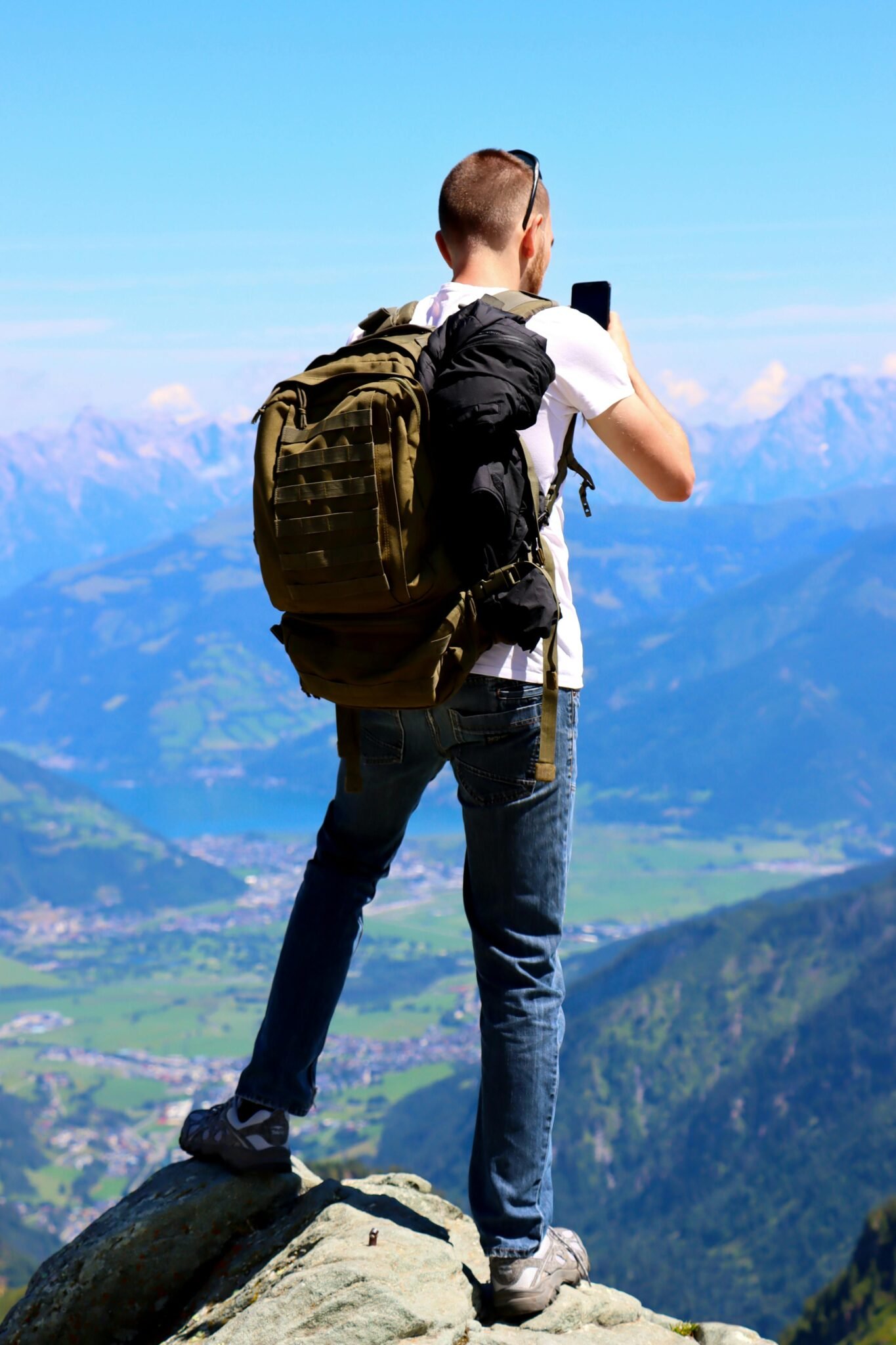
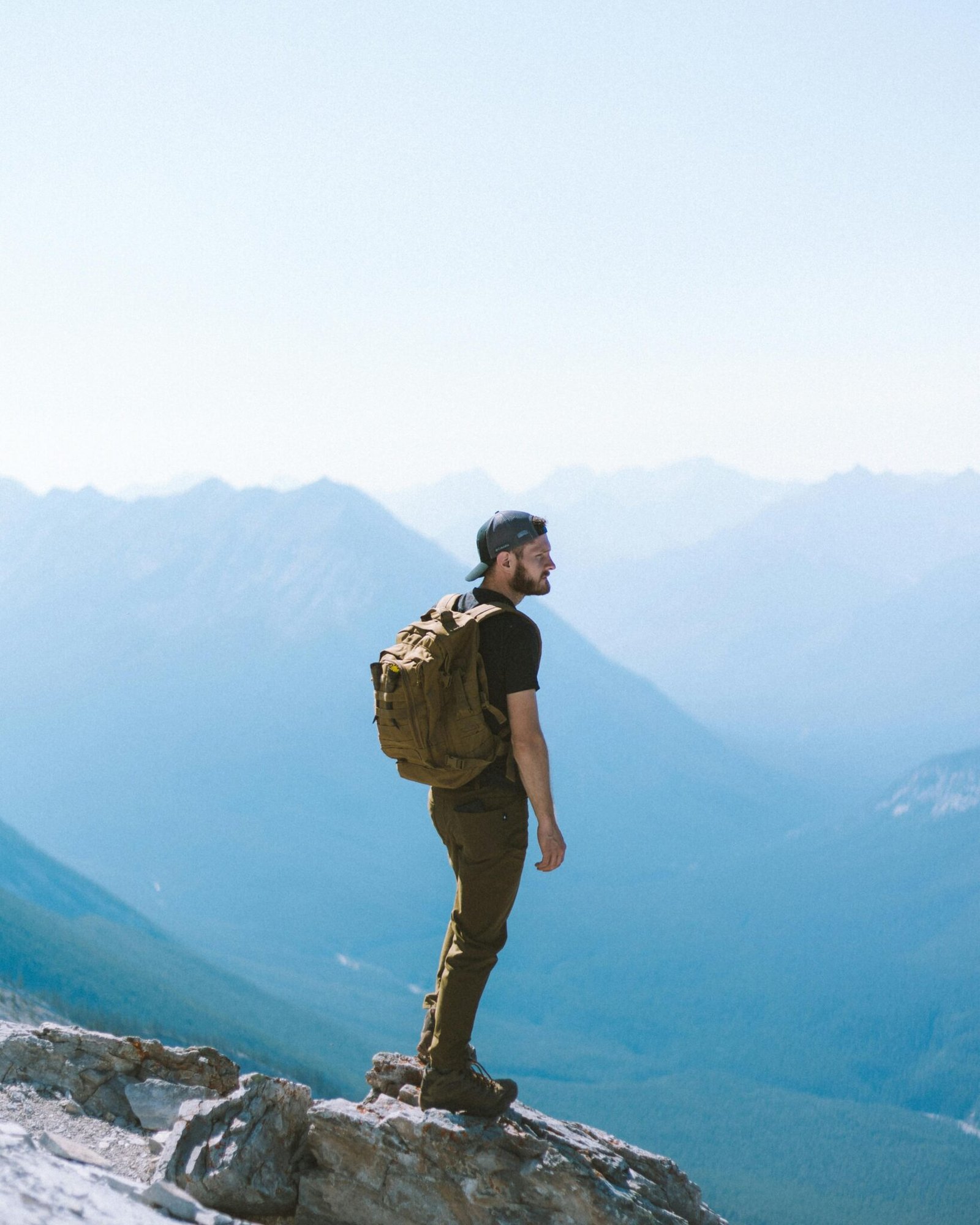
- Overpacking Unnecessary Items: Carrying too much gear adds extra weight and reduces mobility. Many users pack “just in case” items they never use, which leads to fatigue over time.
- Poor Weight Distribution: Placing heavy items far from your back or unevenly across the pack can strain your shoulders and affect balance. This makes walking longer distances more tiring.
- Ignoring Accessibility of Essentials: Packing frequently used items deep inside the bag slows you down. Items like water, snacks, or navigation tools should always be easy to reach.
- Not Organizing Gear Properly: Mixing all items in one compartment creates confusion and wastes time. Separating gear by category helps maintain efficiency during the trip.
- Carrying the Wrong Type of Gear: Bringing gear that doesn’t match the environment or activity can make your pack less effective. Always pack based on your specific trip conditions.
- Skipping Proper Strap Adjustment: Loose or poorly adjusted straps shift weight unevenly. This leads to discomfort and reduces overall stability while moving.
How Much Weight Should You Carry in a Tactical Backpack for One Day?
For a 24-hour trip, the ideal backpack weight should generally stay within 10% to 20% of your body weight, depending on your fitness level and the type of activity. Carrying more than this can quickly lead to fatigue, especially during long walks or hikes. The goal is to pack only what you truly need, essential items like water, food, and safety gear, while avoiding unnecessary extras that add weight without real value. Terrain and weather also play an important role; for example, rough trails or hot conditions require a lighter load to maintain endurance. Before heading out, it’s always a good idea to test your backpack by wearing it for a short walk, ensuring the weight feels balanced and comfortable for extended use.
Wrap Up

More intels about our Tactical Backpacks
Discover our most rugged Tactical Backpacks! Durable, versatile, and built to perform in any mission.
 Tactical Hydration Backpacks
Tactical hydration pack pouch
Price range: $131.90 through $134.90Select options This product has multiple variants. The options may be chosen on the product page- Small tactical backpacks (1-2 day)
15L lightweight tactical backpack
Price range: $49.90 through $50.90Select options This product has multiple variants. The options may be chosen on the product page - Large tactical backpacks (3+ days)
Tactical gym backpack 50L
Price range: $106.90 through $107.90Select options This product has multiple variants. The options may be chosen on the product page
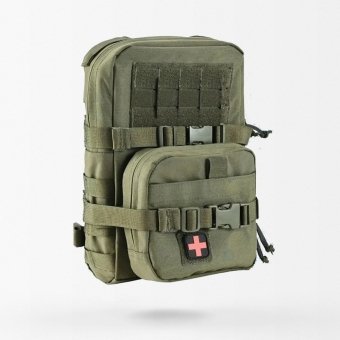
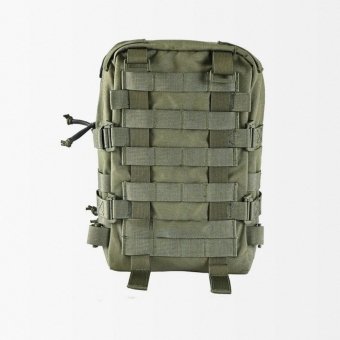
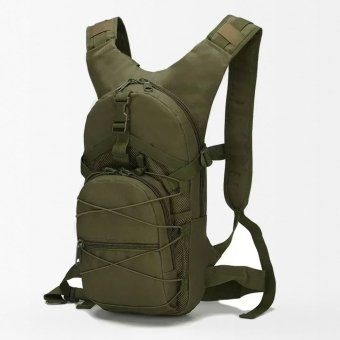
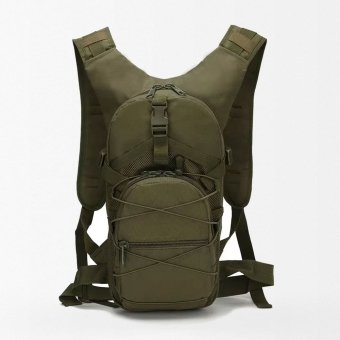
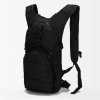
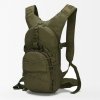
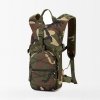


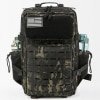
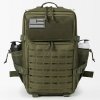
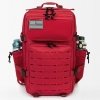
A well-packed tactical backpack can make a significant difference in how comfortable and prepared you feel during a 24-hour trip. By focusing on essential gear, organizing it properly, and avoiding unnecessary weight, you can move more efficiently and stay ready for changing conditions. Tactical backpacks are built to support this kind of use, offering durability and smart storage for outdoor activities. Explore our small tactical backpacks (1-2 day), designed to help you stay organized, comfortable, and ready for any environment.