
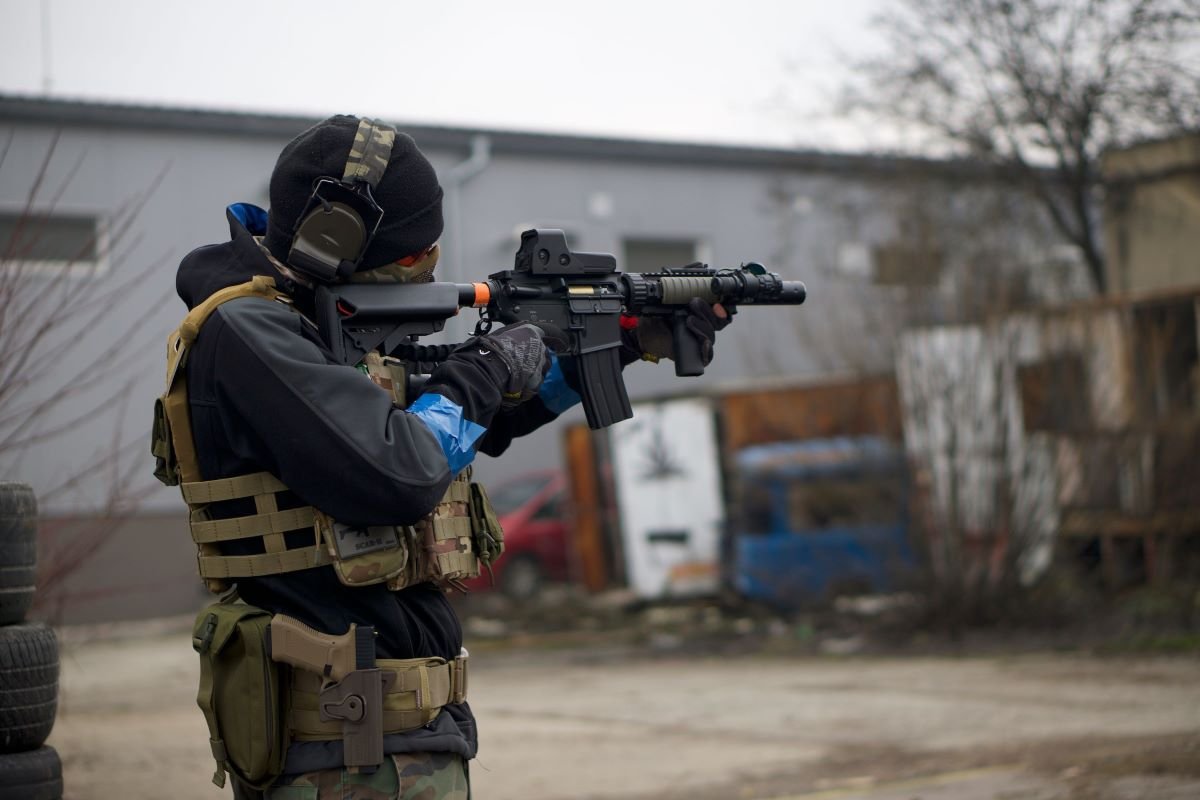

Battle belts and duty belts are designed to carry essential equipment around the waist, but they serve different purposes. A battle belt is primarily used for military activities, tactical training, shooting sports, and other situations that require a flexible, modular gear setup. A duty belt, on the other hand, is commonly used by police officers, security personnel, and other professionals who need to carry specific equipment throughout their shifts. Although both belts provide convenient access to essential gear, they differ in construction, attachment systems, comfort, weight distribution, and intended use. Understanding these differences can help you choose a belt that suits your equipment requirements, activity level, and everyday comfort.
What Is a Battle Belt?
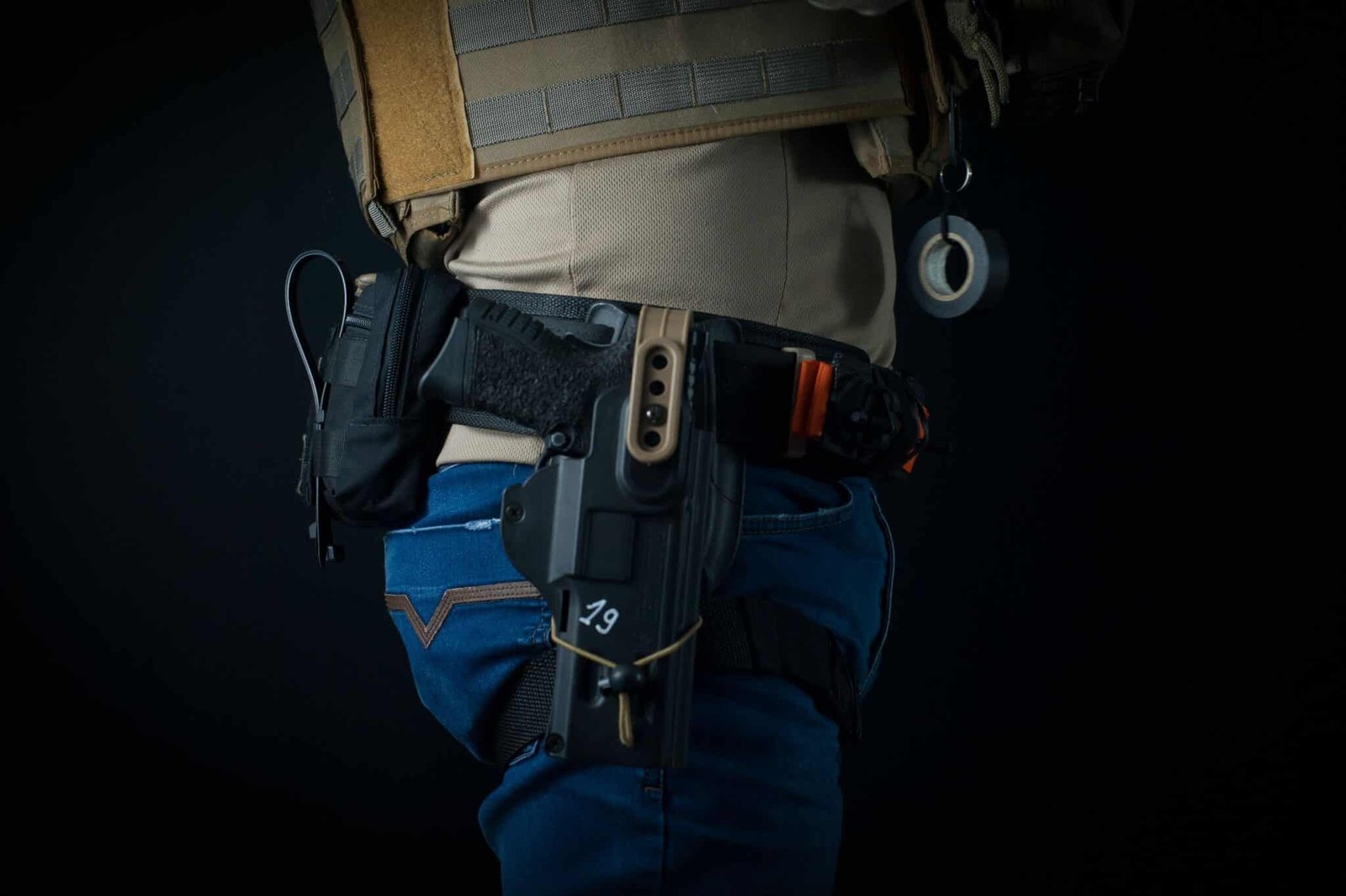
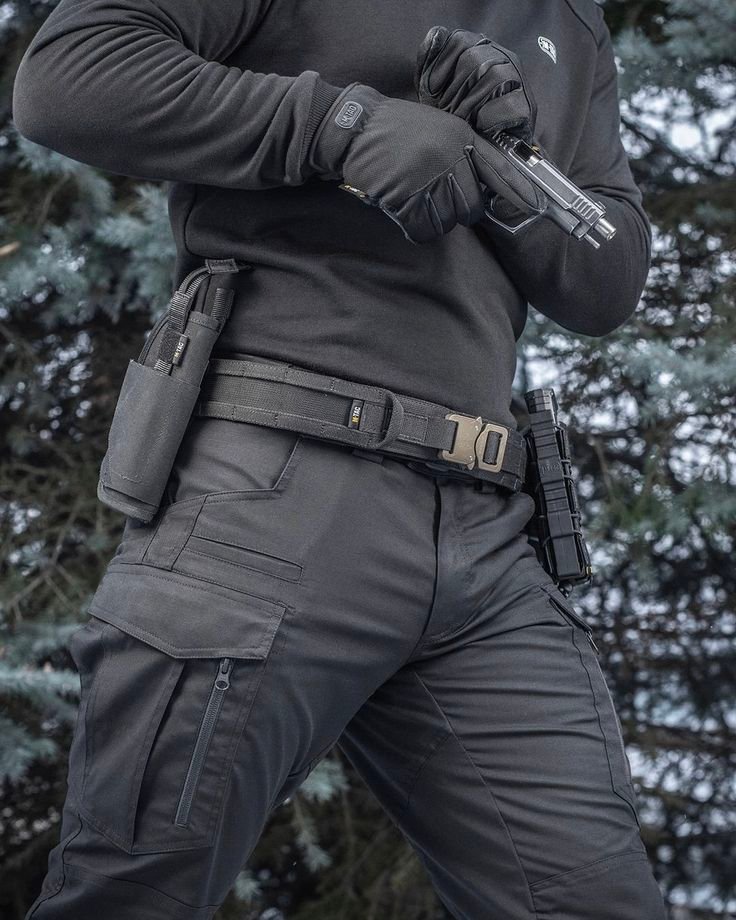
A battle belt is a reinforced, load-bearing belt designed to carry tactical equipment securely around the waist. Also called a combat belt, it is commonly used during military training, shooting sports, airsoft, and other activities where convenient access to equipment is important. Battle belts are typically made from durable materials such as reinforced nylon and feature adjustable fastenings, compatible attachment points, and sometimes additional padding. Many modern designs include MOLLE webbing, allowing users to attach and organise pouches and accessories according to their needs. Some battle belts use a two-piece design with an inner and outer belt for additional stability, while others feature a padded sleeve that sits around the waist. The right design depends on the amount of equipment being carried and the level of movement involved.
What Is a Battle Belt Used For?
A battle belt is used to carry frequently needed tactical equipment without relying entirely on a backpack or tactical vest. It helps distribute equipment around the waist while keeping essential items accessible during different activities.
Its common uses include:
- Military Training: Carrying compatible equipment and essential accessories during field exercises and training sessions.
- Airsoft and MilSim: Organising spare magazines, utility pouches, and other game-related equipment while allowing freedom of movement — a priority for anyone thinking about what beginners wear for their first airsoft game.
- Shooting Sports: Supporting compatible holsters, magazine pouches, and other approved accessories used during training and competitions.
- Outdoor Activities: Carrying compact utility equipment, multitools, and other essentials during hunting or outdoor trips.
- Tactical Gear Organisation: Providing a modular platform for arranging compatible MOLLE pouches and other accessories according to individual requirements.
What Is a Duty Belt?

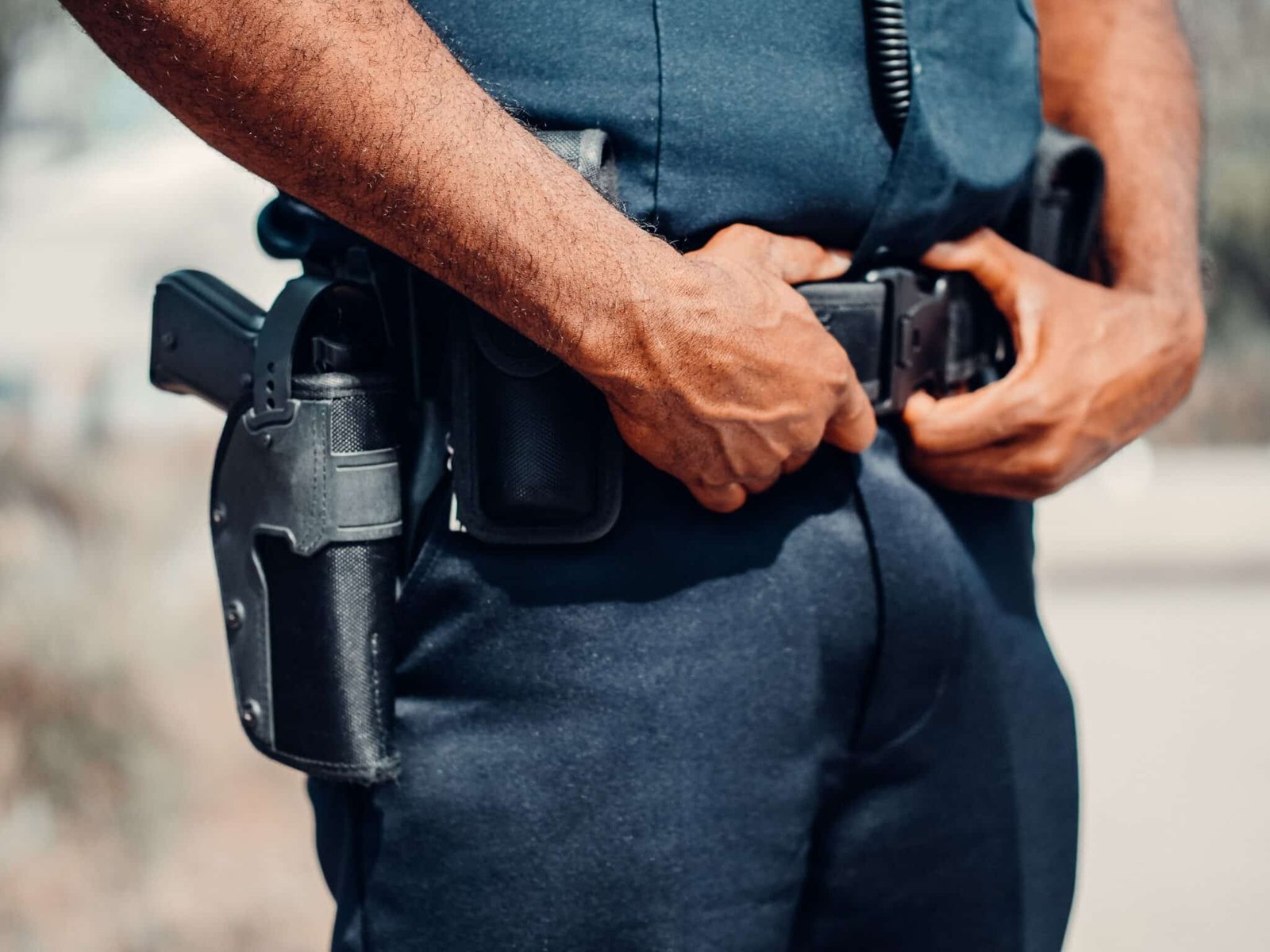
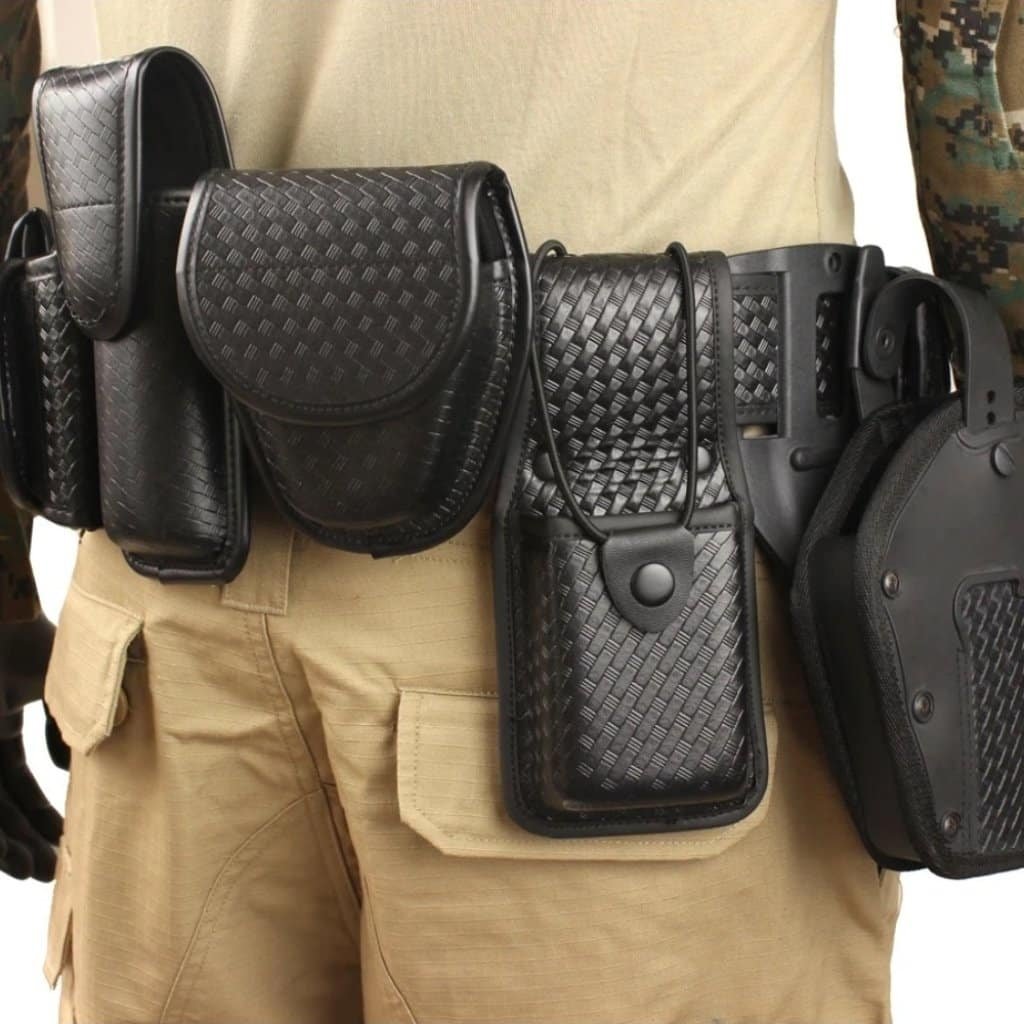
A duty belt is a reinforced equipment belt primarily worn by law enforcement officers, security personnel, and other professionals who need access to essential tools throughout their shifts. It is designed to support equipment such as radios, handcuffs, flashlights, gloves, and compatible holsters. Unlike a standard clothing belt, a duty belt is built to support additional weight while maintaining a secure and consistent fit. Traditional models may use rigid construction, belt keepers, and dedicated equipment holders, while modern designs can also feature adjustable fastenings and modular attachments. Duty belts are intended for prolonged professional use, where equipment needs to remain securely positioned during standing, walking, sitting, and other routine activities.
What Are the Differences Between a Battle Belt and a Duty Belt?
| Characteristic | Battle Belt | Duty Belt |
|---|---|---|
| Primary Purpose | Carries tactical equipment during training, field activities, and shooting sports | Carries essential equipment during law enforcement and security duties |
| Common Users | Military personnel, airsoft players, shooting enthusiasts, and tactical trainees | Police officers, security personnel, and correctional officers |
| Design | Often modular, adjustable, and designed for active movement | Generally structured to support professional equipment |
| Materials | Reinforced nylon, webbing, and durable synthetic fabrics | Leather, nylon, reinforced synthetics, or composite materials |
| Typical Width | Commonly 1.5–2 inches, although padded designs may be wider | Traditionally around 2–2.25 inches, depending on the model |
| Padding | Available in padded and non-padded designs | May include padding or separate support accessories |
| MOLLE Compatibility | Commonly available for attaching modular equipment | Available on some modern duty belts |
| Attachment Options | MOLLE pouches, compatible holsters, and utility accessories | Duty holsters, radio holders, handcuff cases, and equipment keepers |
| Customisation | Highly flexible, allowing users to arrange equipment according to their activities | Often follows departmental requirements and professional equipment standards |
| Weight Distribution | Depends on padding, belt rigidity, and equipment placement | Depends on belt construction, support systems, and equipment arrangement |
| Overall Weight | Available in lightweight and heavy-duty designs | Weight varies according to materials and carried equipment |
| Comfort | Often prioritises mobility and pressure distribution during physical activity | Typically designed to support equipment throughout extended professional shifts |
| Fit | May use a padded sleeve or two-piece inner-and-outer belt system | Often uses a reinforced belt with optional inner-belt support and keepers |
| Fastening System | Quick-release buckles, hook-and-loop closures, or standard buckles | Secure duty-style buckles and retention systems |
| Mobility | Often optimised for running, bending, kneeling, and tactical movement | Designed for standing, walking, sitting, driving, and routine professional activities |
| Equipment Stability | Two-piece systems and secure attachments help reduce movement during activity | Belt keepers, inner belts, and compatible holders help maintain equipment position |
| Daily Wear | Primarily used during tactical training and specific outdoor activities | Commonly worn throughout professional shifts |
| Best For | Tactical training, airsoft, shooting sports, and adaptable equipment setups | Police work, security duties, and professional equipment carrying |
Do Battle Belts Go Over Regular Belts?
Yes, some battle belts can be worn over regular belts or clothing, while others are designed to attach to a dedicated inner belt. The correct method depends on whether the battle belt uses a padded, single-piece, or two-piece construction. Padded battle belts generally sit around the waist over clothing, with the padding helping distribute pressure. Two-piece battle belts work differently: the inner belt passes through the trouser loops, while the outer equipment belt attaches to it, usually through a hook-and-loop system.
For example, the Heavy duty combat belt molle features an adjustable inner-and-outer belt design with MOLLE compatibility. Its construction allows the outer belt to carry compatible accessories while the inner belt provides support. Regardless of the design, the belt should fit securely without digging into the waist or shifting excessively during movement. A properly fitted battle belt should allow comfortable walking, sitting, and bending while keeping equipment in place.
What Are the Different Types of Battle Belts?
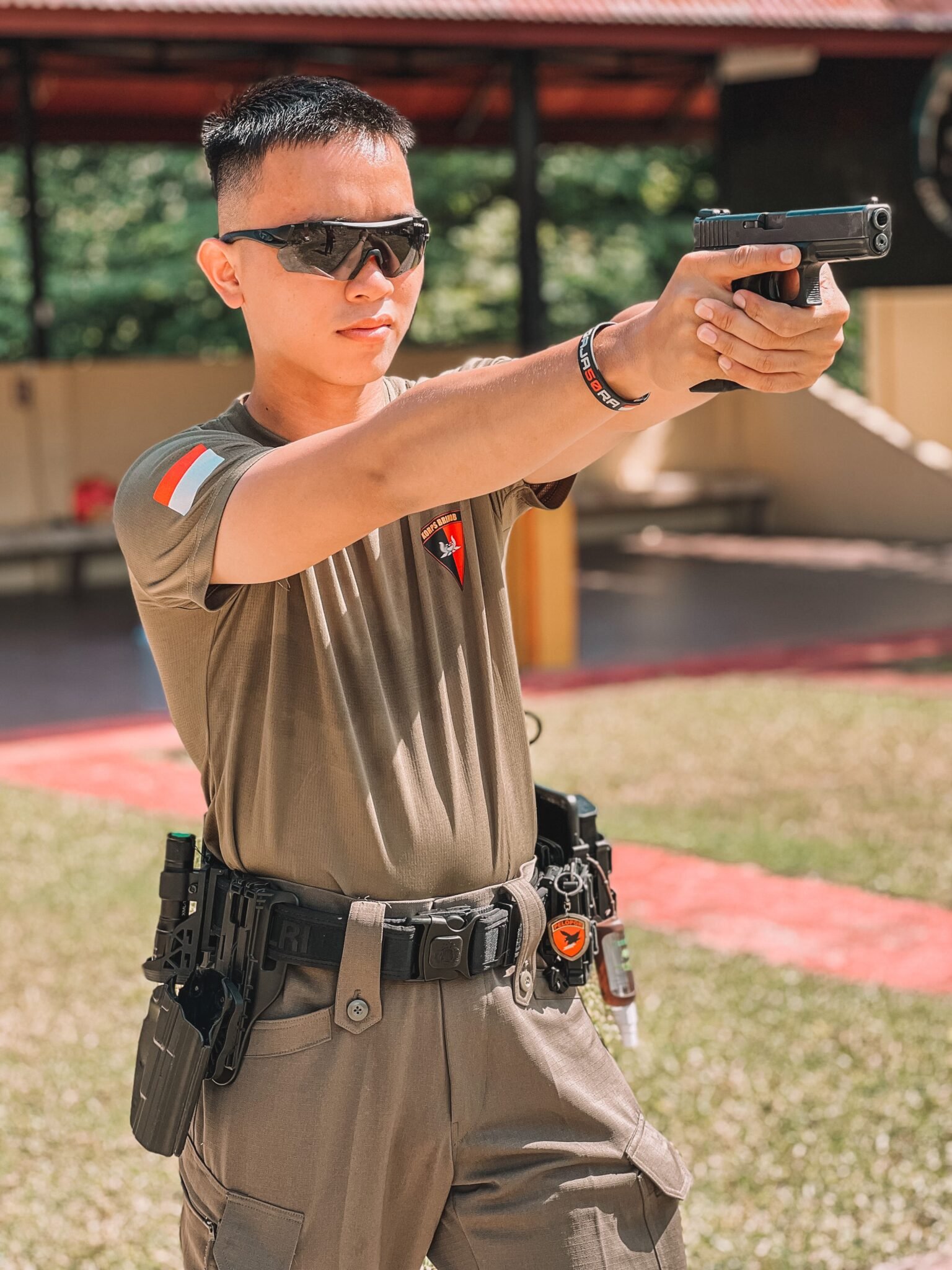
Battle belts come in several designs, each offering different levels of padding, attachment compatibility, support, and flexibility. The most common types include:
- Padded Battle Belts: These feature cushioning along the inner surface to help distribute pressure around the waist. They are particularly useful for extended wear, although thicker padding can make the belt bulkier.
- Two-Piece Battle Belts: These consist of an inner belt and an outer equipment belt that connect through hook-and-loop material. The design helps prevent unnecessary movement and keeps the belt more stable during physical activity.
- MOLLE Battle Belts: MOLLE combat belts include compatible webbing or attachment slots for modular pouches and accessories. They allow users to organise their equipment based on specific requirements.
- Low-Profile Battle Belts: Designed with minimal padding and a slimmer construction, these belts reduce bulk around the waist. They are often preferred when freedom of movement and a compact setup matter most.
- Heavy-Duty Battle Belts: These use reinforced materials and supportive construction to accommodate equipment within the manufacturer’s recommended carrying limits. They are suitable when additional belt strength and structural support are required.
- Quick-Release Battle Belts: These include buckles that allow convenient fastening and removal. They are useful for users who regularly put on or remove their equipment belts.
- Single-Piece Battle Belts: Unlike two-piece systems, these belts do not require a separate inner-and-outer fastening arrangement. Depending on their design, they may pass through trouser loops or sit directly around the waist.
Are Battle Belts More Comfortable Than Duty Belts?
Yes, battle belts can be more comfortable than traditional duty belts, especially during active movement and extended tactical activities. Many battle belts feature padding, adjustable fittings, and designs that distribute equipment weight more evenly around the waist, helping reduce pressure and discomfort.
However, modern duty belts can also provide reliable comfort and support during long professional shifts. For example, the Black tactical police duty belt setup offers a structured belt system with dedicated equipment holders for organised, accessible gear. Ultimately, comfort depends on the belt’s construction, proper fit, and the weight being carried.
Wrap Up

More intels about our Combat Belts
Explore our Combat Belts collection for durable, comfortable, and reliable gear support during tactical activities and field operations.
- Sale!
 Combat belts
Ferro concepts combat belt
Price range: $66.90 through $89.90Select options This product has multiple variants. The options may be chosen on the product page - Sale!Combat belts
Quick release combat belt
Price range: $16.90 through $19.90Select options This product has multiple variants. The options may be chosen on the product page - Sale!Combat belts
Ronin 2 inch molle combat belt
Original price was: $128.90.$108.90Current price is: $108.90.Select options This product has multiple variants. The options may be chosen on the product page


Both battle belts and duty belts provide secure equipment-carrying options, but their purpose and design are different. Battle belts are generally better suited to tactical training, airsoft, and activities that require flexibility and freedom of movement — and understanding why gel blaster players prefer tactical gear for outdoor matches follows the same logic — while duty belts are designed around the everyday equipment needs of law enforcement and security professionals. When choosing between them, consider the belt’s construction, padding, fit, attachment options, equipment weight, and intended use. The right belt should keep your essentials secure without compromising comfort or mobility.
Explore our Combat Belts collection, along with tactical pouches, holsters, tactical vests, and other field gear, to find practical equipment for your training and professional needs.


