
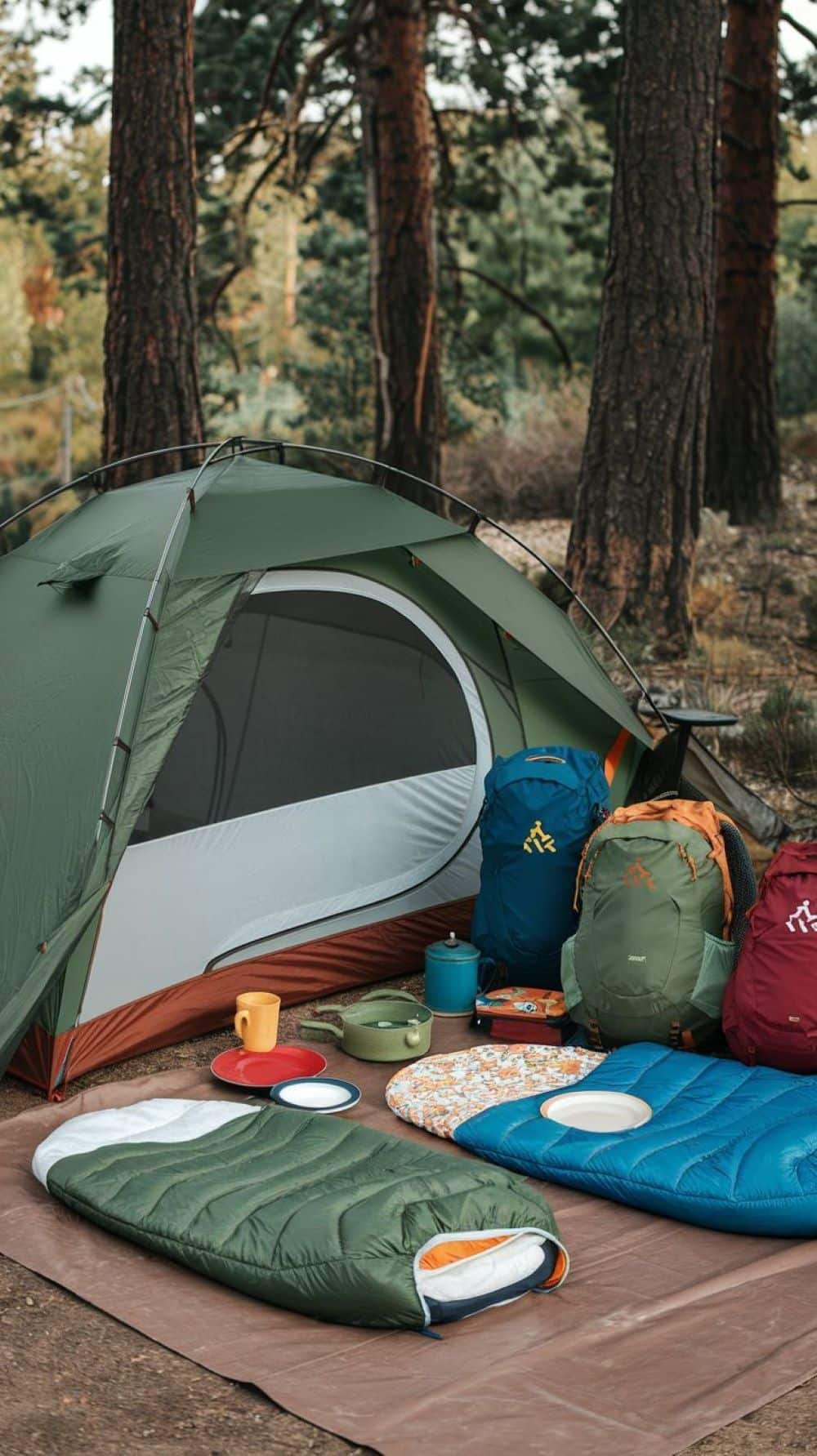

Choosing between a 3-season and 4-season sleeping bag mainly comes down to the weather, temperature, and type of outdoor trip you are planning. A 3-season sleeping bag is designed for milder conditions across spring, summer, and autumn, while a 4-season sleeping bag provides more insulation for colder environments and winter use. The difference also affects weight, packability, and comfort during changing temperatures. For military, bushcraft, hiking, hunting, or backcountry use, choosing the right season rating helps you avoid carrying unnecessary bulk while still getting enough warmth for the conditions you expect — and pairing your sleep system with the right military and tactical outerwear is equally important for staying warm between shelter and open ground.
What Is a 3-Season Sleeping Bag?
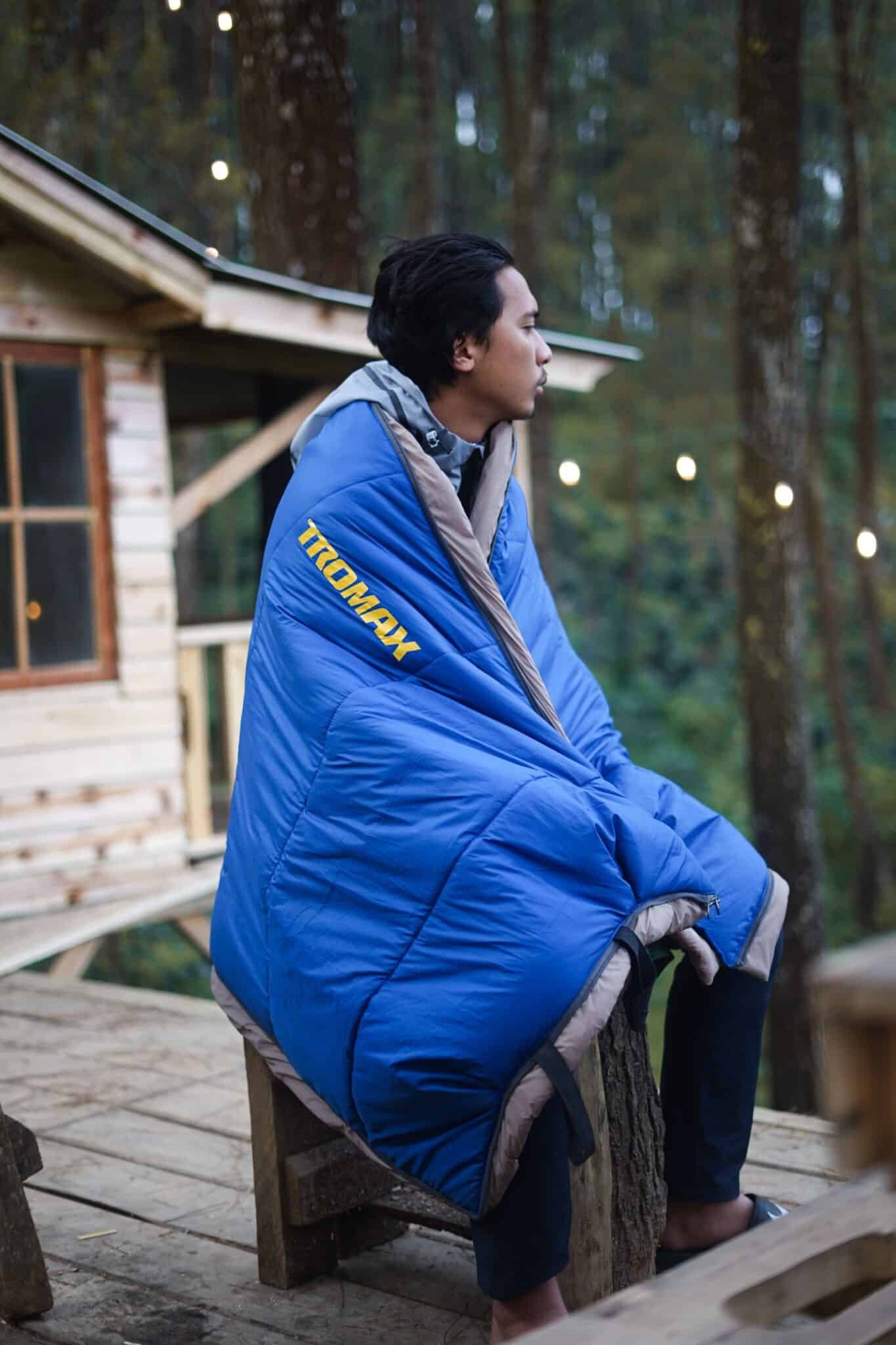
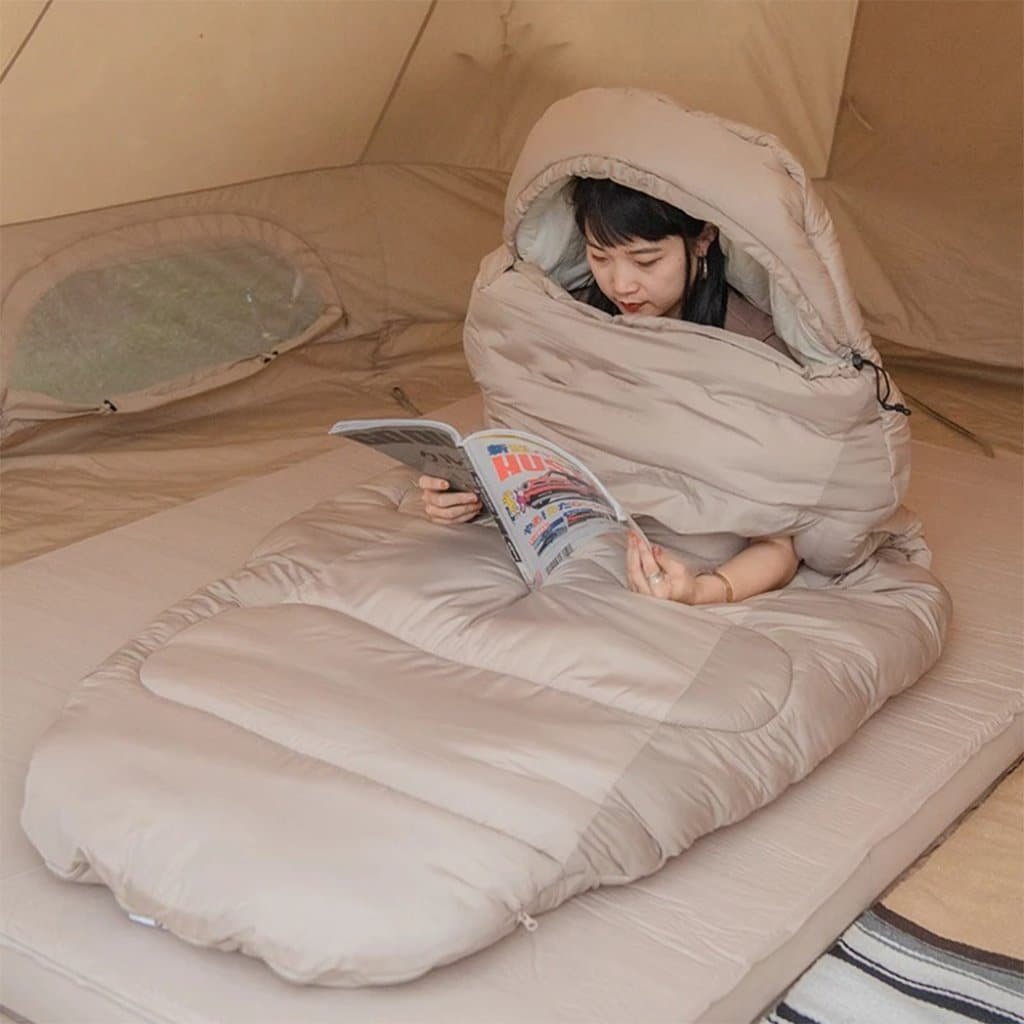
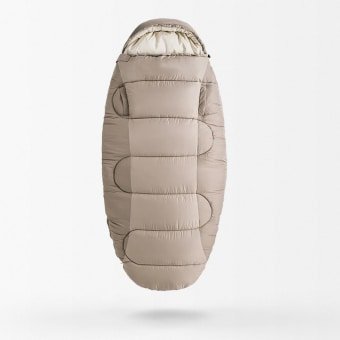
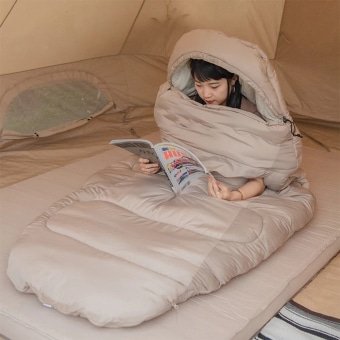
A 3-season sleeping bag is designed for use across spring, summer, and autumn, making it one of the most versatile options for general outdoor use. It usually provides more insulation than a lightweight summer bag but remains less bulky than a winter-focused 4-season model.These sleeping bags are suitable for campers, hikers, hunters, and outdoor users who expect cool nights but are not regularly sleeping in severe winter conditions. Because they balance warmth with portability, they are also practical for trips where the sleeping bag needs to fit inside or attach easily to a tactical backpack — understanding what is a tactical backpack and how it is designed helps when deciding how to carry your sleep system. Kula Tactical’s sleeping bag collection, for example, includes a 3-Season Wearable Sleeping Bag, while the broader military sleeping bag range covers different temperature levels for changing outdoor conditions.
What Temperature Is a 3-Season Sleeping Bag Good For?
A 3-season sleeping bag is typically suitable for temperatures between about 15°F and 35°F (-9°C to 2°C). A 20°F (-7°C) rating is a popular middle ground because it offers enough warmth for many spring, autumn, and cooler summer nights without the extra bulk of a winter sleeping bag. For milder conditions, a 30°F to 35°F bag may be enough, while colder shoulder-season trips may call for a 15°F to 20°F model. The right choice also depends on factors such as your sleeping pad, clothing, shelter, altitude, and how sensitive you are to cold.
What Is a 3-Season Sleeping Bag Good For?
A 3-season sleeping bag works best when you need a balance between warmth, manageable weight, and packability rather than maximum winter insulation. It is particularly useful for:
- Spring Camping: Nights can still become cold even when daytime temperatures are mild, so a 3-season bag gives more protection than a basic summer bag.
- Summer Trips in Cooler Areas: At higher elevations or in regions with cold nights, a 3-season bag can provide extra warmth without requiring a full winter setup.
- Autumn Camping: Falling nighttime temperatures make additional insulation useful, especially on longer outdoor trips.
- Hiking and Backpacking: A 3-season bag generally offers a practical compromise between warmth and the amount of space it takes up in your pack.
- Bushcraft and Outdoor Training: It can suit multi-day trips where conditions vary but extreme winter temperatures are not expected, and pairing it with the right military and tactical shirts keeps you comfortable during the active parts of each day.
- Hunting Trips: Early or late-season hunts can involve chilly mornings and nights, making a 3-season sleeping bag a versatile option.
What Is a 4-Season Sleeping Bag?
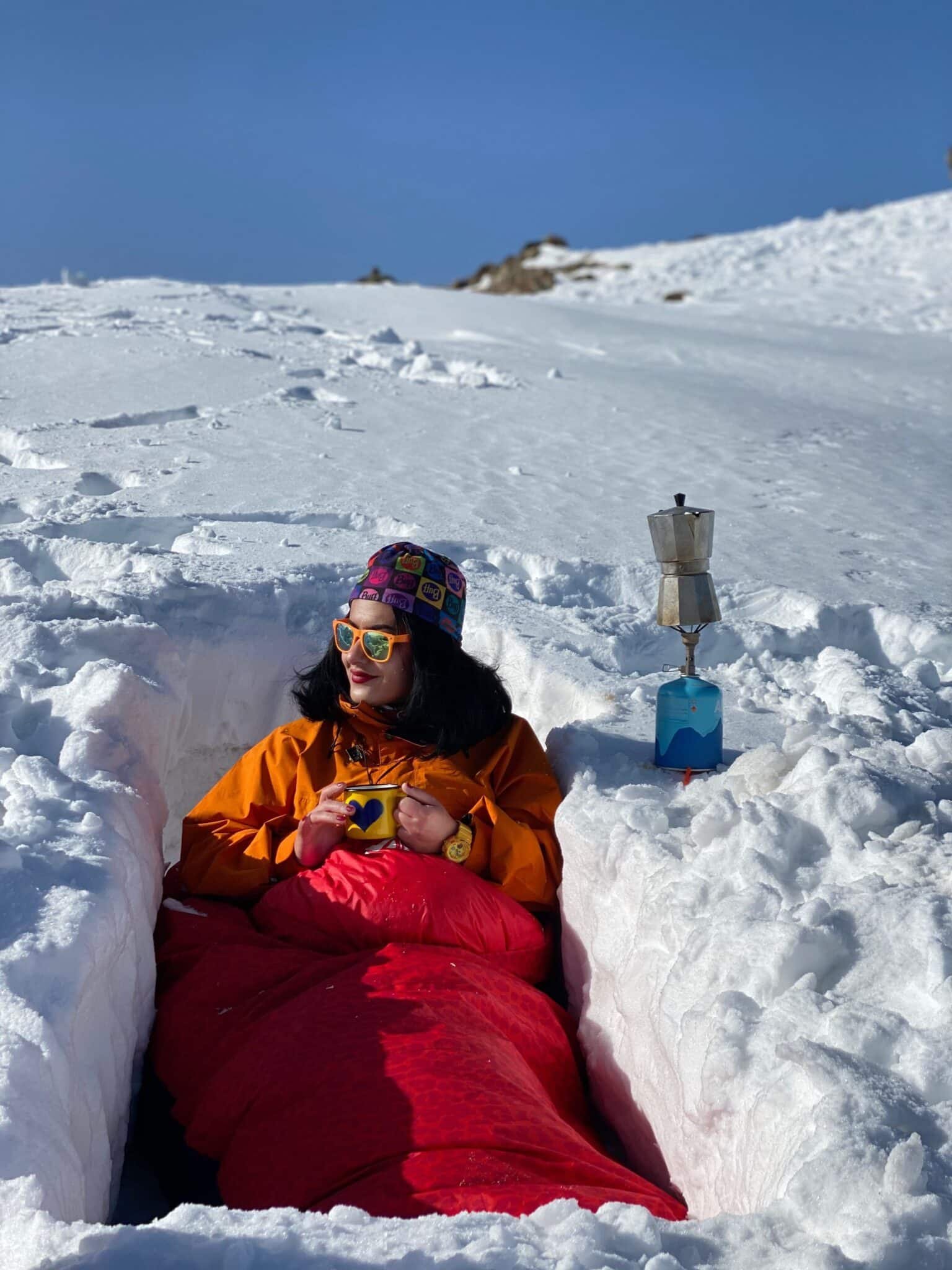
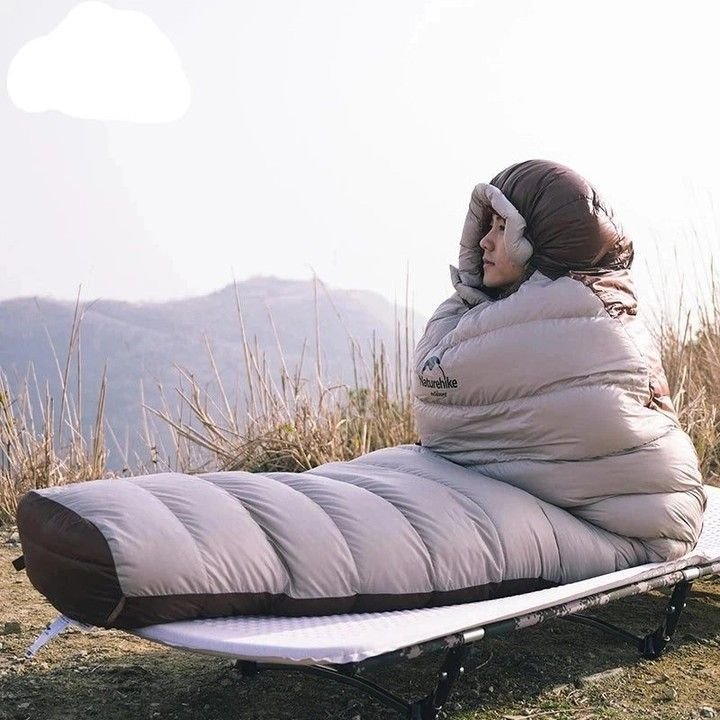
A 4-season sleeping bag is designed for winter camping and cold-weather conditions, including freezing temperatures, frost, and snow. These bags typically use more insulation and heat-retaining features than lighter seasonal bags, making them suitable for winter camping, mountain trips, military field use, and other outdoor situations where nighttime temperatures can drop well below freezing — situations where tactical hiking boots are equally important for staying safe on the ground.
How Warm Is a 4-Season Sleeping Bag?
A 4-season sleeping bag commonly has a comfort rating around -5°C to -10°C (23°F to 14°F), although some models are designed for even colder conditions. Certain expedition or extreme cold-weather sleeping bags can have much lower limit or extreme ratings, sometimes reaching around -30°C (-22°F) or below. However, the comfort, limit, and extreme ratings mean different things. The comfort rating indicates the temperature at which a sleeper should remain reasonably comfortable, while the lower-limit rating represents colder conditions where warmth becomes more difficult to maintain.
What Is a Good 4-Season Sleeping Bag?
A good 4-season sleeping bag should provide enough insulation for your expected conditions without becoming unnecessarily difficult to carry. Look for a model that balances warmth, durability, fit, weather resistance, and packability. A Military 4 season mummy sleeping bag is a practical style to consider for colder outdoor conditions because the mummy shape helps reduce unused internal space and retain warmth around the body. Kula Tactical currently carries multiple versions within its military sleeping bag collection
What Is the Difference Between a 3-Season and 4-Season Sleeping Bag?
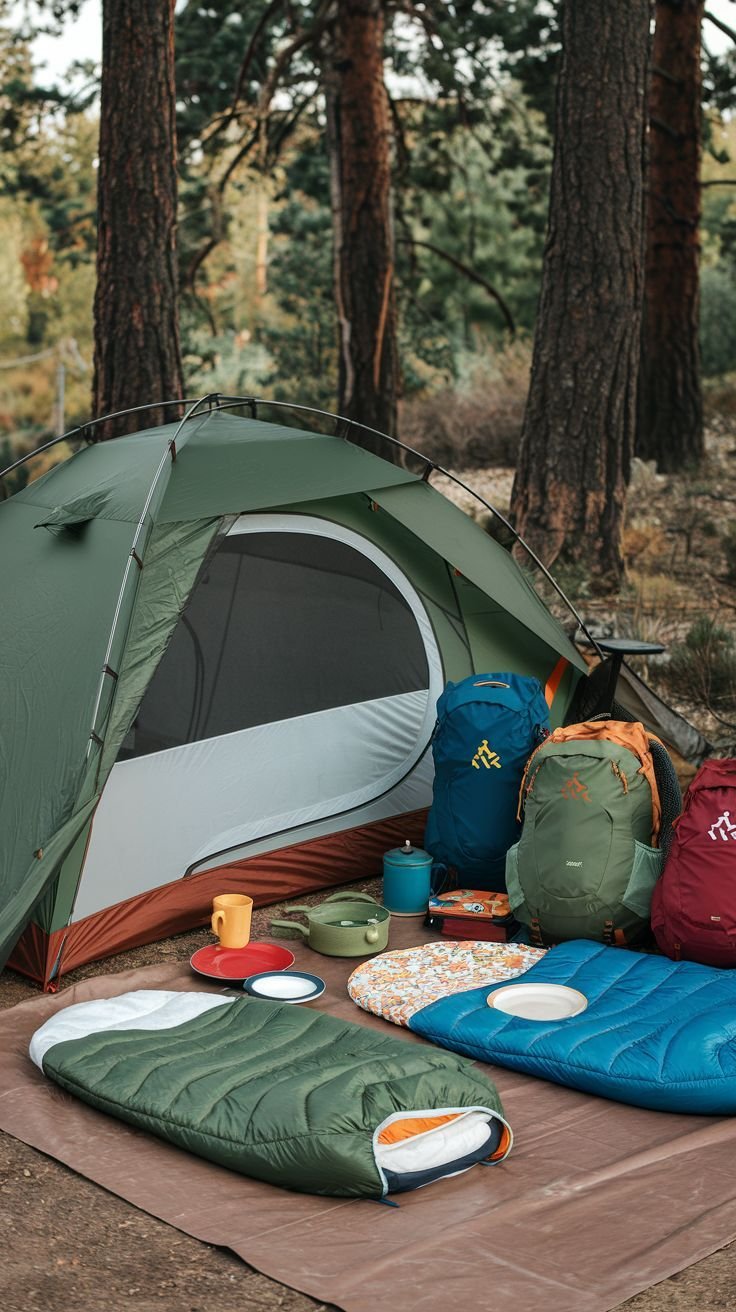
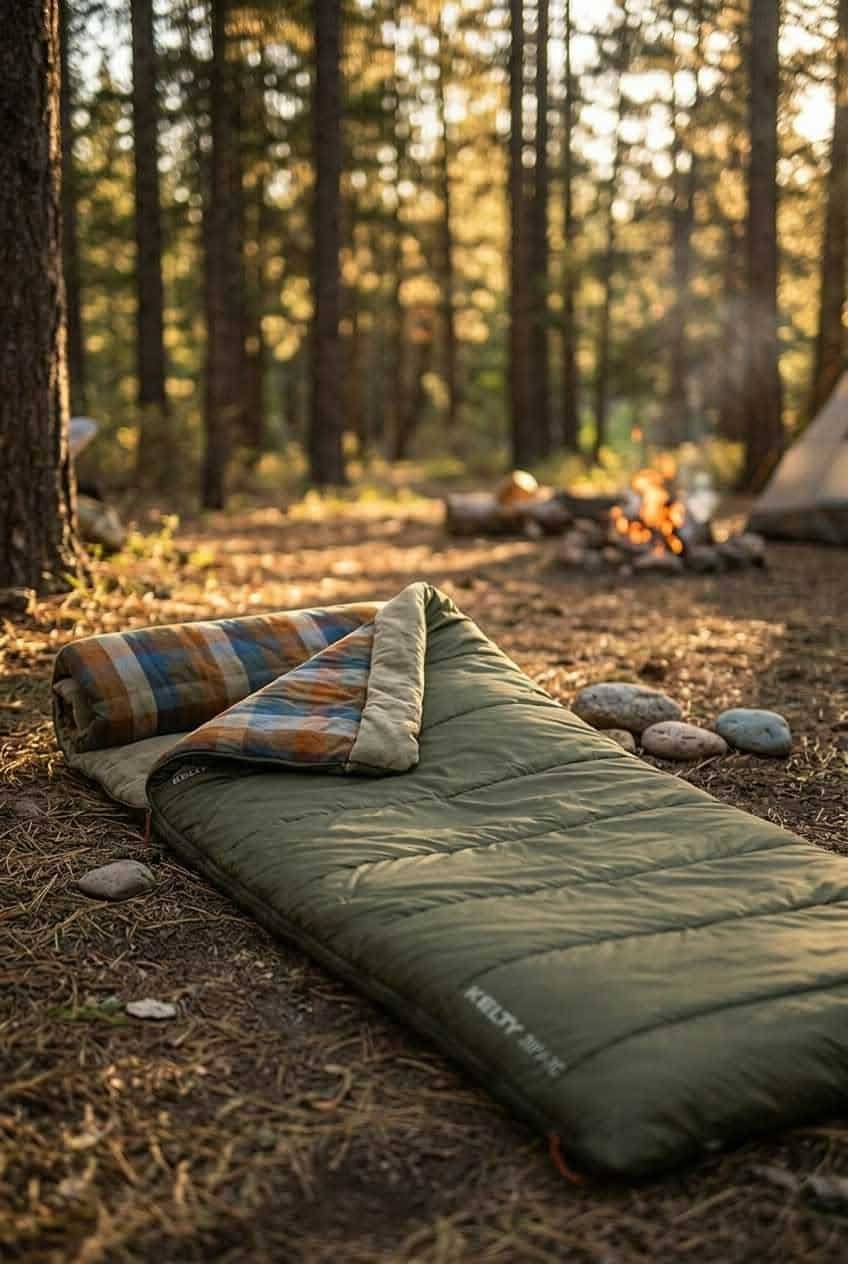
| Characteristic | 3-Season Sleeping Bag | 4-Season Sleeping Bag |
|---|---|---|
| Main Seasons | Spring, summer, and autumn | Winter and colder conditions |
| Typical Temperature Range | Around 15°F to 35°F (-9°C to 2°C) | Comfort ratings often around 23°F to 14°F (-5°C to -10°C) or lower |
| Cold-Weather Performance | Suitable for cool to moderately cold nights | Designed for freezing and below-freezing conditions |
| Insulation Level | Moderate insulation | Thicker or greater insulation for improved heat retention |
| Warmth | Warm enough for most three-season conditions | Considerably warmer for winter use |
| Weight | Usually lighter | Usually heavier because of additional insulation |
| Packed Size | Generally smaller and easier to compress | Often larger and bulkier when packed |
| Portability | Easier to carry on regular hiking and backpacking trips | More weight and volume to carry |
| Typical Shape | Available in mummy, rectangular, and other designs | Often uses a mummy-style shape to improve heat retention |
| Heat Retention | Moderate to high depending on the model | Higher, with designs intended to reduce heat loss |
| Summer Use | Suitable for cooler summer nights, depending on its rating | Can be too warm for mild or hot summer conditions |
| Spring Use | Very suitable | Can be warmer and heavier than necessary |
| Autumn Use | Very suitable for cooler autumn nights | Useful in particularly cold late-autumn conditions |
| Winter Use | Limited; may not be sufficient for severe winter weather | Designed specifically for winter and cold-weather use |
| Snow and Frost | Not normally the first choice for prolonged snow or severe frost | Better suited to snowy, frosty, and freezing environments |
| High-Altitude Use | Suitable when nighttime temperatures remain within the bag’s rating | Better for colder high-altitude conditions |
| Hiking | Usually more convenient because of lower weight and bulk | Better when hiking in genuinely cold or winter conditions |
| Backpacking | Good balance of warmth, weight, and packability | Suitable for winter backpacking where warmth takes priority |
| Camping | Excellent general-purpose option for much of the year | Better for winter and cold-weather camping |
| Bushcraft | Suitable for moderate seasonal conditions | More suitable for winter bushcraft and colder overnight trips |
| Military/Field Use | Useful in moderate climates and transitional seasons | Better suited to cold-weather field operations |
| Versatility | Highly versatile across three seasons | More specialised toward cold conditions |
| Risk of Overheating | Lower in mild conditions | Higher when used in warm weather |
| Best For | General camping, hiking, backpacking, hunting, and outdoor trips in moderate temperatures | Winter camping, cold-weather expeditions, military field use, mountain trips, and freezing conditions |
Which Sleeping Bag Is Better for Hiking and Backpacking?
For most spring, summer, and autumn hiking or backpacking trips, a 3-season sleeping bag is usually the more practical choice because it balances warmth with lower weight and easier packability. When every kilogram and litre of pack space matters, carrying winter-level insulation that you are unlikely to use can make the trip unnecessarily difficult. A 3-season sleeping bag is generally easier to fit inside a backpack and can provide enough warmth for a wide range of moderate outdoor conditions. A 4-season sleeping bag becomes the better option when the route involves winter temperatures, snow, high elevations, or consistently cold nights, and pairing it with tactical winter jackets helps maintain warmth between the sleeping bag and the outside air. In those situations, the extra insulation is more important than saving weight.
Should I Get a 3-Season or 4-Season Sleeping Bag?
Choose a 3-season sleeping bag if you mainly camp during spring, summer, and autumn, and choose a 4-season sleeping bag if you expect freezing winter conditions, snow, or frost. A 3-season bag is the more practical choice for most general camping, hiking, backpacking, and outdoor trips because it provides enough warmth for cooler nights without the extra weight and bulk of winter insulation. It is especially suitable when temperatures are expected to stay within the bag’s rated range, and it pairs well with lightweight tactical boots for general outdoor use. A 4-season sleeping bag is better for winter camping, snowy environments, freezing nights, and colder high-altitude trips where greater insulation and heat retention are necessary.
Wrap Up
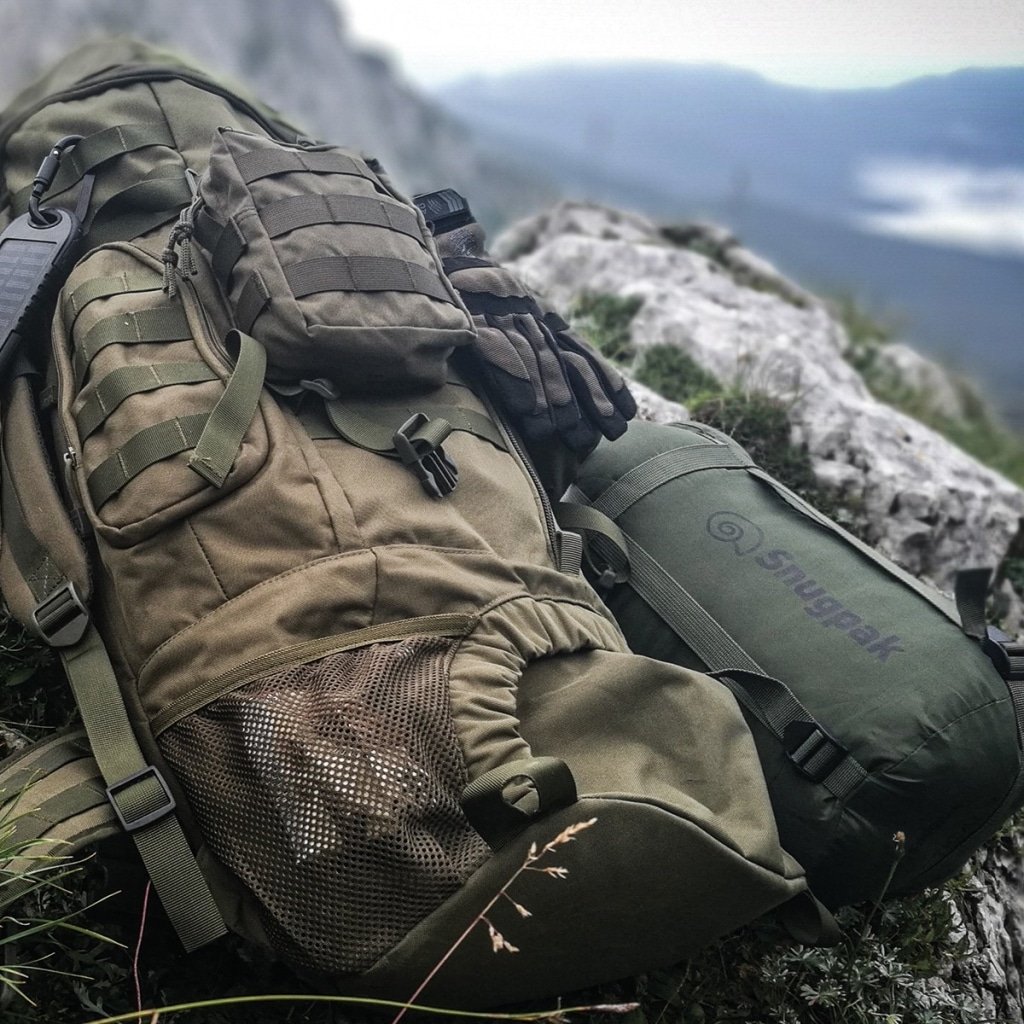
More intels about our Military Sleeping Bag
Explore our Military Sleeping Bags for dependable warmth, comfort, and protection across different outdoor conditions.
 Military sleeping bags
Cold weather wearable sleeping bag
Price range: $159.90 through $162.90Select options This product has multiple variants. The options may be chosen on the product pageGrayKhaki- Military sleeping bags
3-Season wearable sleeping bag
Price range: $139.90 through $159.90Select options This product has multiple variants. The options may be chosen on the product pageGrayKhaki - Military sleeping bags
Army green sleeping bag
$199.90 Select options This product has multiple variants. The options may be chosen on the product page




The choice between a 3-season and 4-season sleeping bag ultimately depends on when, where, and how you plan to use it. A 3-season sleeping bag is the more versatile option for spring, summer, autumn, and many hiking or backpacking trips, while a 4-season bag provides the additional insulation needed for winter and more demanding cold-weather conditions. Explore Kula Tactical’s collection of military sleeping bags, along with tactical backpacks, military clothing, combat boots, tactical pouches, and other field-ready gear to build a setup suited to your next outdoor mission.
