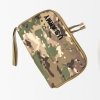
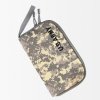
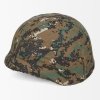
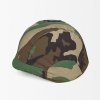
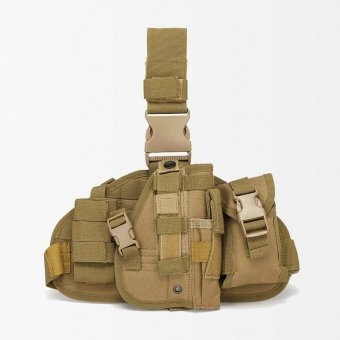
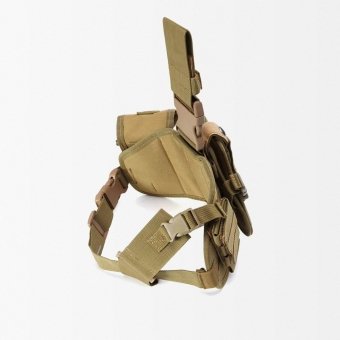
UCP camo

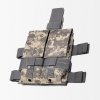
The Universal Camouflage Pattern (UCP) is a digital military camouflage pattern formerly used by the United States Army. Introduced in the early 2000s, UCP features a pixelated mix of gray, tan, and green colors designed to be effective in a wide range of environments, from urban areas to desert and woodland terrains. The pattern was primarily used with the Army Combat Uniform (ACU) but has seen various applications across military gear.

UCP Camo best sellers

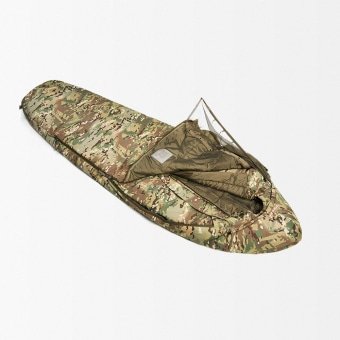
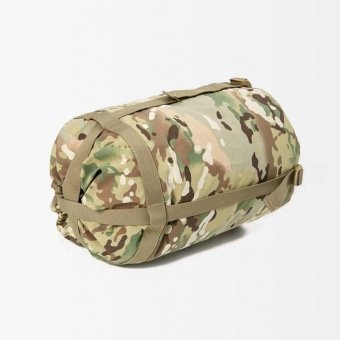
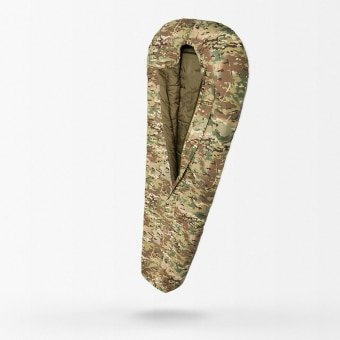
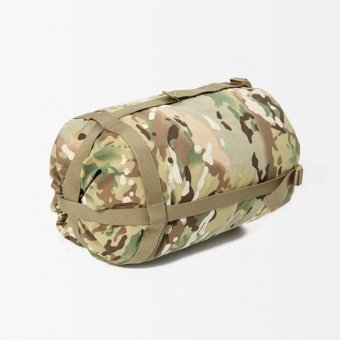
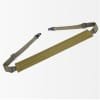
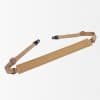
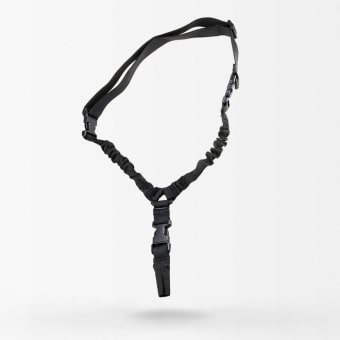
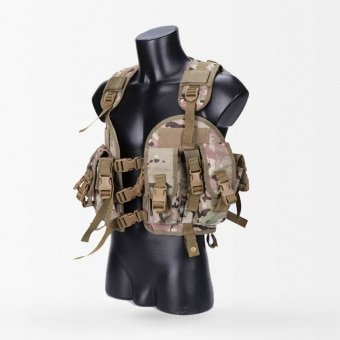
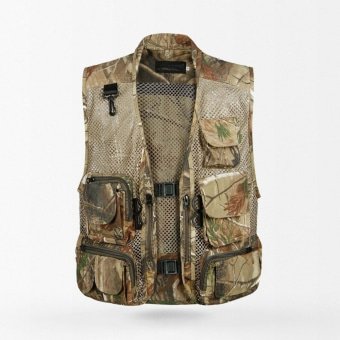
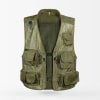
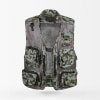
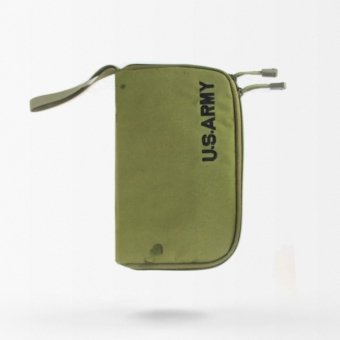
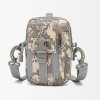
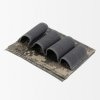
Shop our best-selling UCP camo gear, developed for urban and arid environments with a digital pattern approach. These top-rated items offer a neutral tone palette suited for mixed and structured terrain. From tactical clothing to field equipment, each piece is designed for durability and functionality. UCP delivers versatility across non-traditional environments. Upgrade your loadout with modern digital camouflage.

UCP camo effectiveness

UCP camo pattern effectiveness

The effectiveness of UCP has been a subject of debate since its introduction. While the digital pattern was initially believed to provide versatility across multiple environments, subsequent evaluations and soldier feedback indicated that it might not perform as well as expected in specific settings, particularly in densely vegetated or desert areas. This led to the development and adoption of environment-specific patterns like MultiCam for operations in Afghanistan and other areas where enhanced concealment was necessary.

Despite its mixed reception in terms of camouflage effectiveness, UCP was a significant step forward in the use of digital camouflage techniques, influencing future camouflage development with its pixelated design approach.

UCP camo loadouts

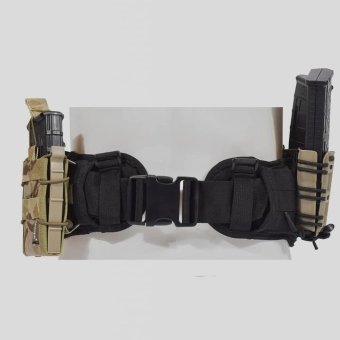
A collection featuring UCP would highlight its distinct digital pattern across various military gear, showcasing the uniform in training exercises, garrison settings, and its limited use in operational contexts. The gallery would reflect on the pattern’s role in the evolution of digital camouflage and its historical significance within the U.S. Army’s uniform development.

UCP camo in use

UCP camo : who use it and where?

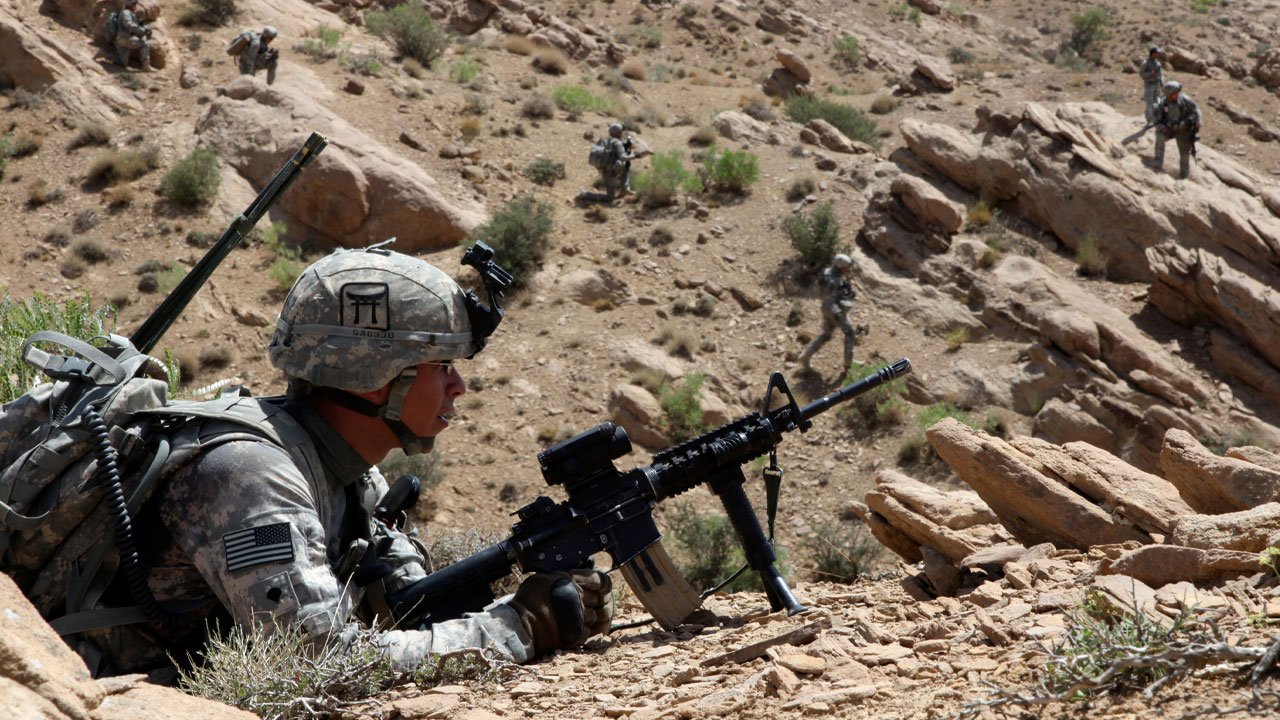
UCP was widely issued to U.S. Army personnel from its adoption in the mid-2000s until its phase-out began in 2015, culminating in its complete replacement by the Operational Camouflage Pattern (OCP) by 2019. During its service, UCP was used in various operational theaters, including Iraq and Afghanistan, though its use in these environments prompted the search for more effective patterns.

While no longer issued for new uniforms, UCP-patterned gear and uniforms may still be seen in training environments or worn by Army personnel in non-combat roles until phased out completely. Additionally, surplus UCP gear has become available to civilians, making it a common sight in airsoft and paintball scenarios, as well as among collectors of military memorabilia.

More about the UCP camo

UCP camo faced criticism for its limited effectiveness in many environments, particularly due to its color scheme and pixelated design. Critics argued that the pattern’s blend of grays and tans failed to adequately conceal personnel in either desert or woodland environments, leading to its perceived inefficiency. Field reports and studies suggested that UCP did not match the variety of terrains soldiers encountered, prompting the search for more adaptable and effective patterns.

UCP and MultiCam are significantly different in both design and effectiveness across environments. While UCP uses a digital pattern intended for universality, its color palette proved less effective in specific terrains. MultiCam, on the other hand, uses a more varied color scheme and a non-digital pattern that adapts well to a wide range of environments, including desert, woodland, and urban areas. The U.S. Army adopted MultiCam (temporarily designated as OCP) for operations in Afghanistan due to its superior performance in that region’s diverse landscapes.

UCP, as a pattern developed by the U.S. Army, is subject to copyright and licensing by the U.S. government. Commercial use of the pattern typically requires authorization to prevent unauthorized reproduction and sale. However, surplus and commercially produced UCP gear is widely available, indicating licensing agreements for its production and distribution.

The UCP pattern itself does not “expire” in the legal or copyright sense, but the U.S. Army officially phased out UCP in favor of the Operational Camouflage Pattern (OCP) by 2019. This transition marked the end of UCP’s official use in new military uniforms and gear, though existing supplies may continue to be used until worn out in non-combat and training settings.

There are no widespread reports of the Special Air Service (SAS) officially adopting UCP camo for their operations. The SAS, a special forces unit of the British Army, typically uses a variety of camouflage patterns tailored to specific mission requirements, including Multi-Terrain Pattern (MTP) and others. Any use of UCP by SAS members would likely be experimental or for specific scenarios where the pattern might offer some advantage, although this would be an exception rather than standard practice.

Improving the effectiveness of UCP camo would theoretically involve altering its color scheme to better match the operational environment. Some proposed “fixes” have included over-dyeing the fabric to darken its colors for woodland environments or adding local materials (like mud or foliage) to the uniform in the field to enhance concealment. Ultimately, the U.S. Army chose to replace UCP with the Operational Camouflage Pattern (OCP), which offers improved versatility and effectiveness across a wider range of environments, addressing the shortcomings of UCP without requiring modifications to the existing pattern.


Enter email to save 10% off, one time use
Save 0 % now!