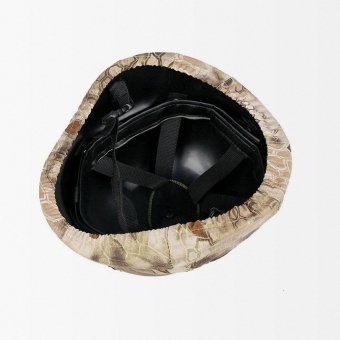
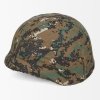
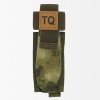
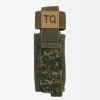
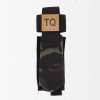
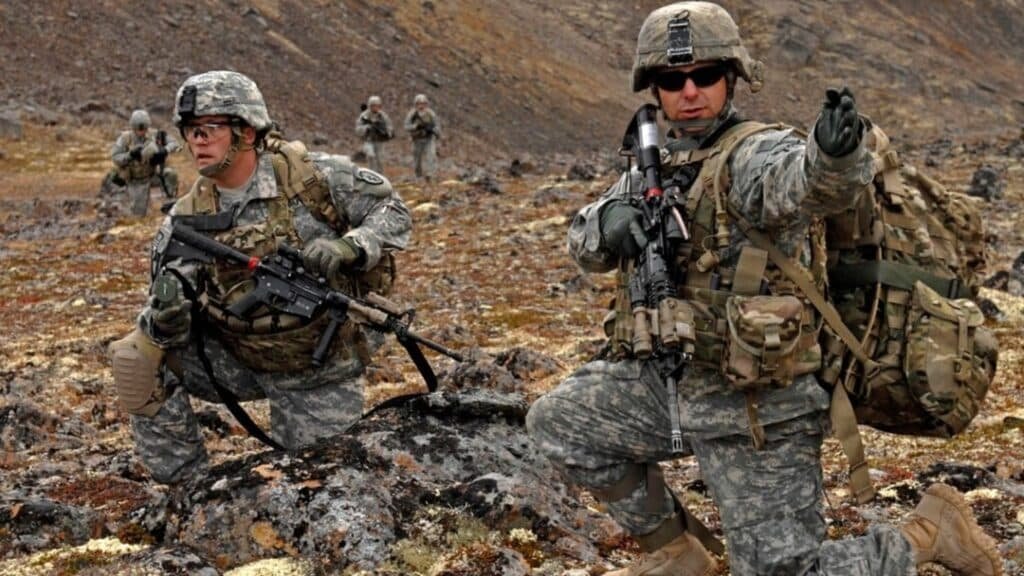
What is digital camouflage?
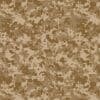
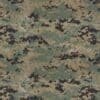
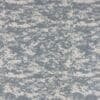
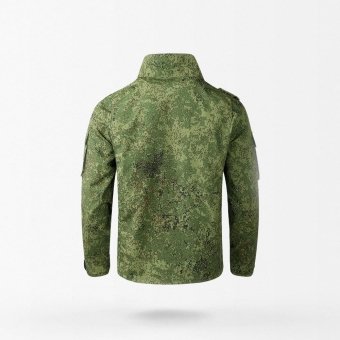
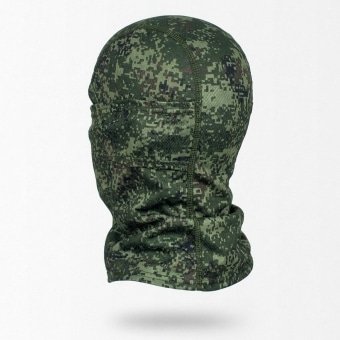
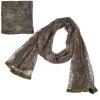
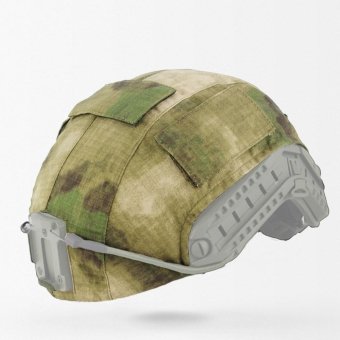
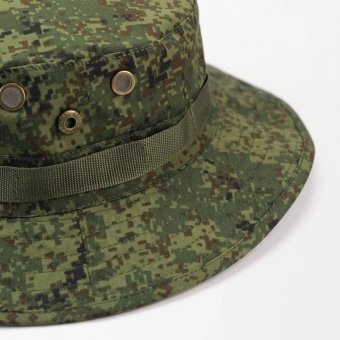
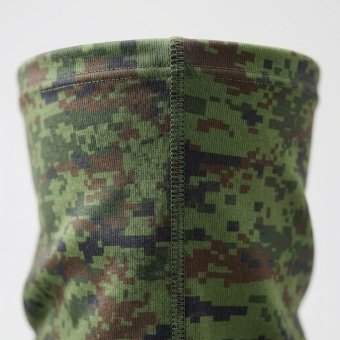
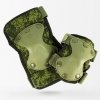
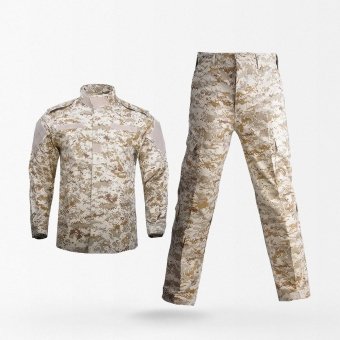
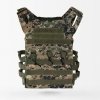
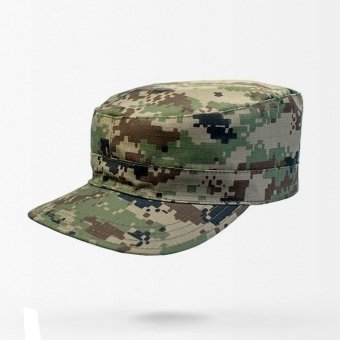
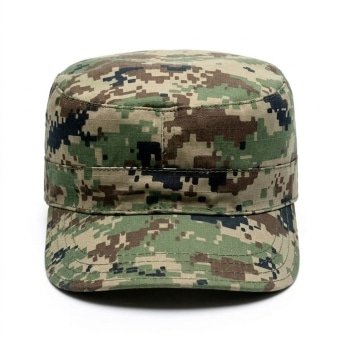
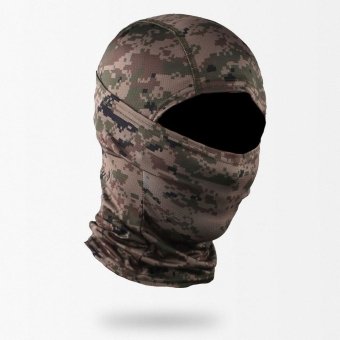
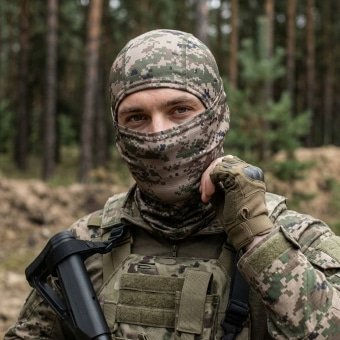
Digital camouflage is a family of military concealment patterns built around a pixelated structure rather than the organic, flowing shapes used in traditional camouflage. Each color zone is made up of small rectangular or square “pixels” — hard-edged blocks that sit next to each other without blending. The result looks mechanical, almost like a low-resolution screenshot. That’s intentional.
The underlying logic is called “fractal disruptive patterning.” By repeating similar shapes across multiple scales — large zones of color broken into smaller clusters of pixels — digital patterns create visual noise that disrupts the human silhouette at both close range and long range simultaneously. Traditional patterns like Woodland or BDU tend to optimize for one distance. Digital camo covers the spread.
The term “digital” refers to the design method (patterns are generated computationally) as much as the aesthetic. First developed by Canadian Forces researchers in the 1990s, the approach was adopted by the US Marines in 2002 with MARPAT, triggering a wave of similar programs across NATO and beyond. By 2010, most major militaries had either adopted a digital pattern or were actively evaluating one.

How digital camouflage patterns are designed
Early camouflage patterns were painted or drawn by hand, then printed onto fabric. Digital patterns are different: they are algorithmically generated using computer modeling that simulates how human vision processes contrast, color, and shape at different distances. The process typically involves analysis of real terrain — photographs, satellite imagery, spectral data — to extract the dominant colors and proportions found in a given environment.
The pixel grid itself is not uniform. Most patterns use two or three scales of pixel clusters overlapping within the same print. This multi-scale structure is what creates the perception-disrupting effect at varying ranges. A single large patch of color handles long-range concealment; the small pixels within it handle close-range detection. The combination is more effective than either approach alone.
Infrared (IR) performance is built into the design process for military-grade patterns. Colors are selected not just for their visible appearance but for how they behave under near-infrared light — the wavelength used by night vision devices. A pattern that looks convincing to the naked eye but glows under NVG is a tactical liability. Authentic military digital patterns (MARPAT, EMR, UCP) are IR-tuned from the ground up. Commercial reproductions often are not.
Which military forces use digital camouflage?
The shift to digital patterns over the past two decades has been broad but uneven. Here’s a quick reference of how major forces have adopted digital camouflage:
| Force | Pattern | Adopted | Environment |
|---|
| US Marine Corps | MARPAT (Woodland / Desert) | 2002 | Woodland, Desert |
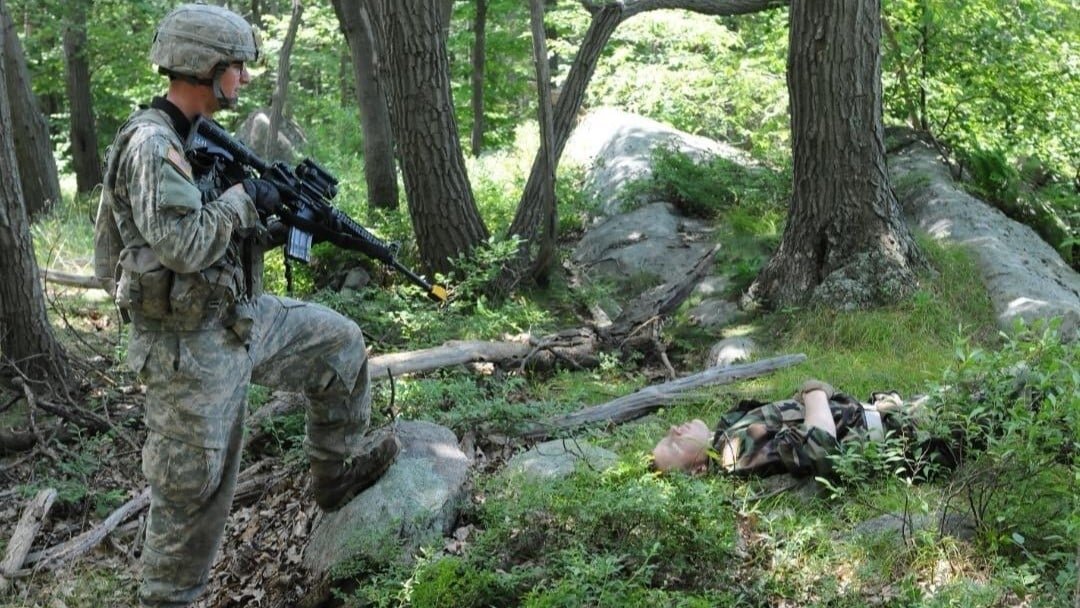
| US Army | UCP (retired), OCP current | 2004 / 2015 | Universal |
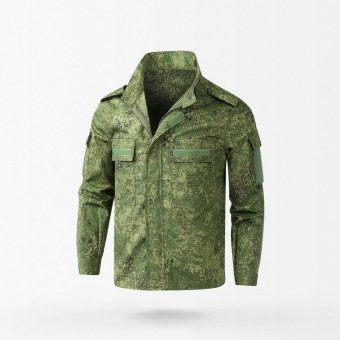
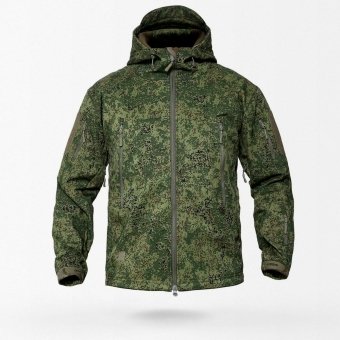
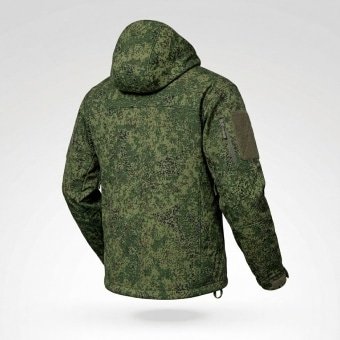
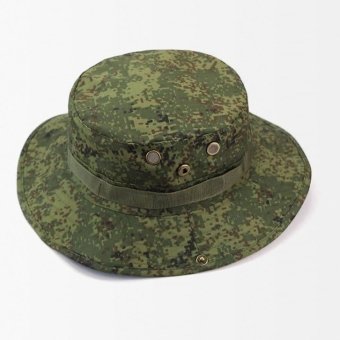
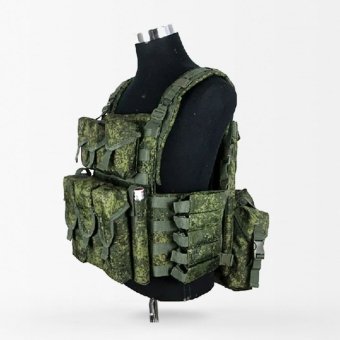
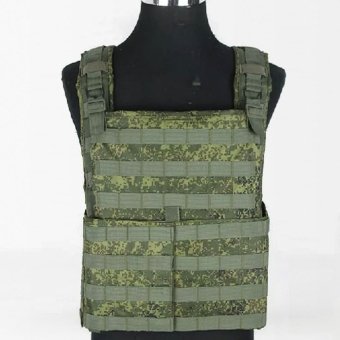
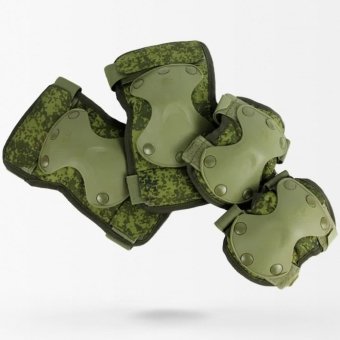
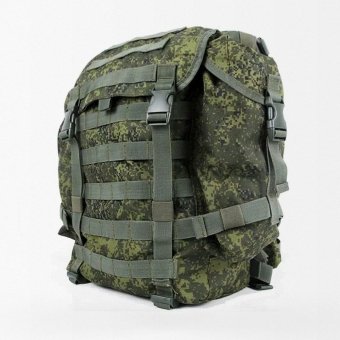
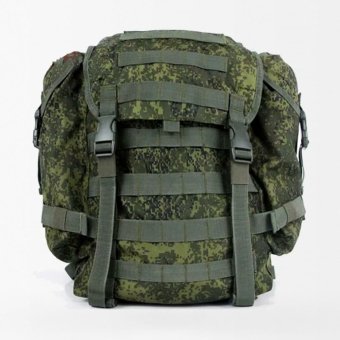
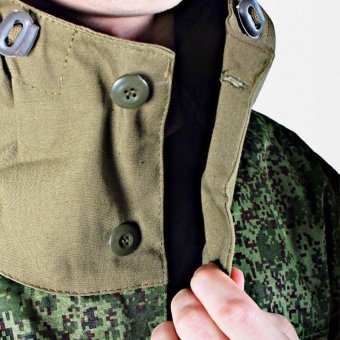
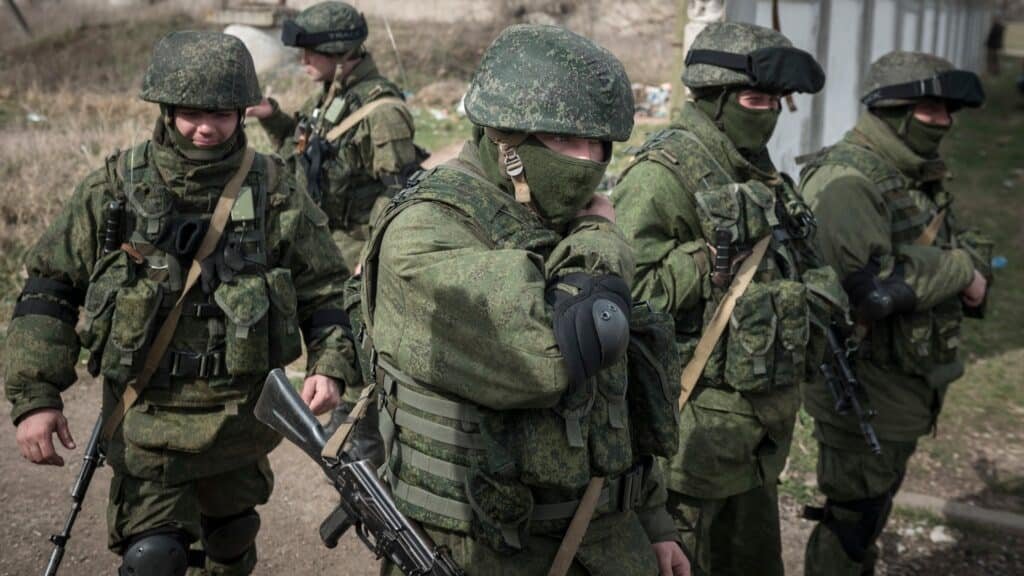
| Russian Armed Forces | EMR (Digital Flora) | 2008 | Woodland / Mixed |
| Russian Border Guard | Pogranichnik | 2000s | Dense woodland |
| US Navy | NWU Type I (Blue) | 2008 | Naval / Maritime |
| Canadian Forces | CADPAT | 2002 | Woodland / Arid |
Beyond NATO, digital patterns have been adopted or adapted by Jordan, South Korea, Ukraine, Georgia, Azerbaijan, and dozens of other armed forces — each calibrating colors and pixel scales to their own terrain.
Digital camo by environment
Not all digital patterns are interchangeable. Each is calibrated for a specific terrain type, and using the wrong pattern in the wrong environment can make concealment worse, not better — a mismatched color palette creates contrast where you need none.
| Environment | Recommended pattern type | Key color tones |
|---|
| Temperate woodland | MARPAT Woodland, EMR, Surpat | Green, brown, black, tan |
| Arid / desert | MARPAT Desert, Digital Desert | Tan, sand, light brown |
| Urban / built environment | Urban Digital, UCP | Grey, white, light brown |
| Maritime / coastal | Digital Blue (NWU) | Blue, grey, navy |
| Dense forest / border terrain | Pogranichnik, CADPAT | Deep green, dark brown, black |
| Snow / arctic | Digital Snow / Winter variants | White, light grey, pale blue |
Digital camo vs traditional camouflage patterns
The shift from organic to digital camouflage wasn’t just aesthetic. Research conducted by the Canadian Defence Research and Development Centre in the 1990s showed that pixelated patterns outperformed organic ones in detection tests, particularly at medium to long range. The hard pixel edges generate more visual noise than the smooth gradients of traditional patterns, making it harder for the eye to lock onto a shape.
That said, digital camouflage has real limitations. In environments with predominantly curved, organic shapes — dense jungle, heavy brush — the rigid pixel grid can look out of place. This is partly why the US Army ultimately moved away from UCP (which was criticized for its pale, near-neutral color palette) and toward the more organic OCP/Multicam for general use. The Marines retained MARPAT, which uses a better-calibrated color set than UCP.
The bottom line: digital camo is not categorically superior to all traditional patterns. It excels in specific conditions and fails in others. Pattern selection should always be driven by the operating environment, not by aesthetics or brand recognition.