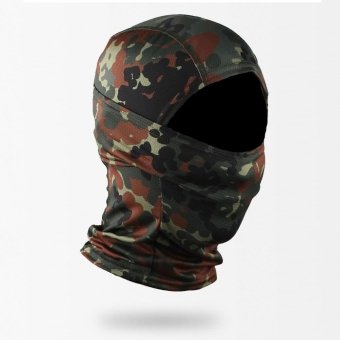
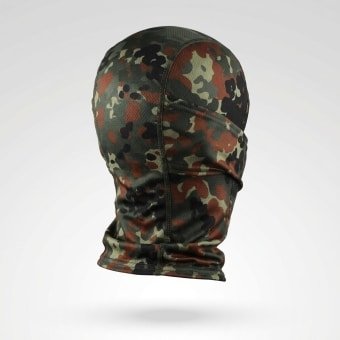
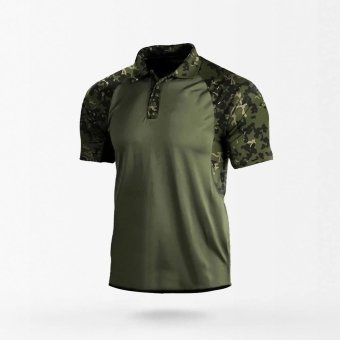
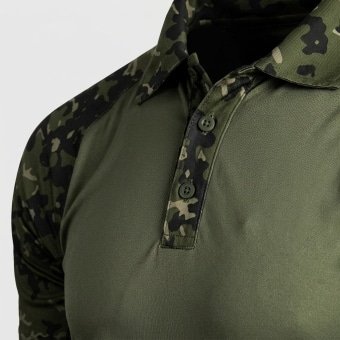
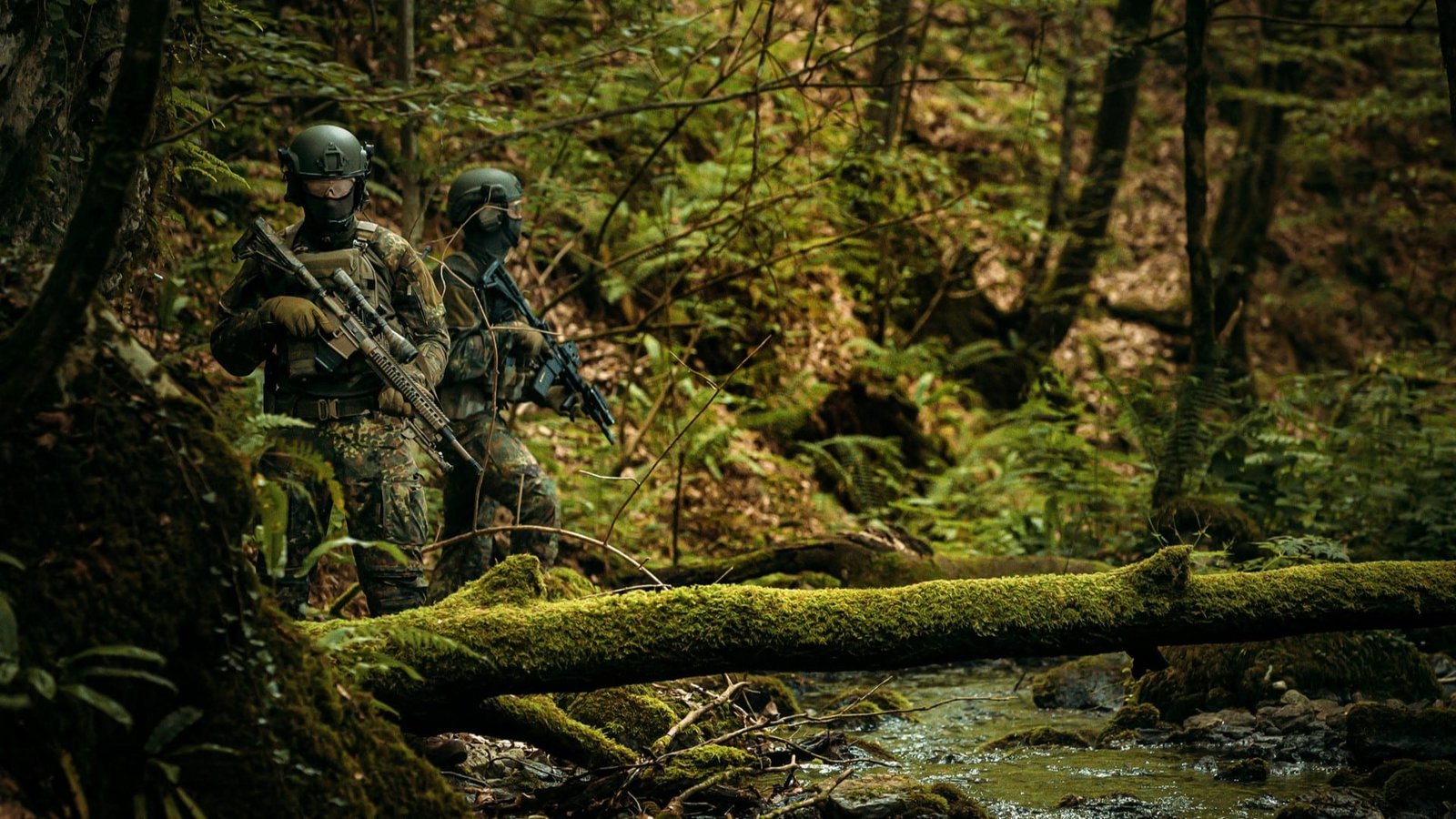
Flecktarn camo

Few patterns are as instantly recognizable as Flecktarn. Those dense clusters of spots aren’t decoration: they’re one of the most effective woodland camouflages ever fielded. Developed for the German Bundeswehr, Flecktarn turns the human outline into a blur of green, brown and black that the eye simply slides past in temperate forest. On this page, explore the pattern that earned its reputation in the field, see it in action, and gear up in proven Flecktarn kit.

Flecktarn best sellers

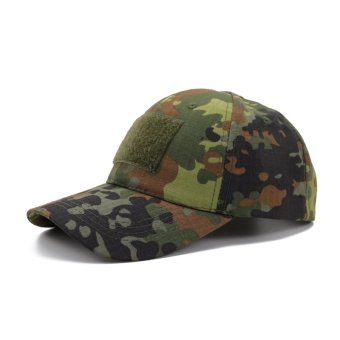
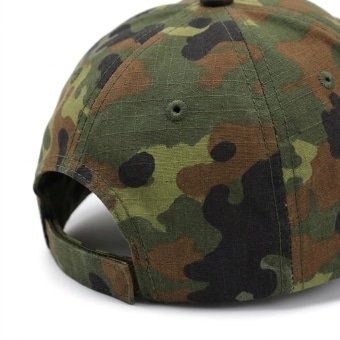
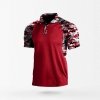
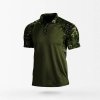
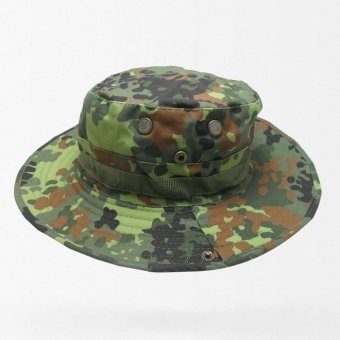
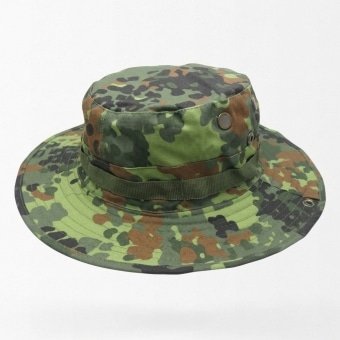
Flecktarn covers everything from head to toe, and these are the pieces our customers reach for first. Field jackets and parkas built for cold, wet woodland, combat shirts and trousers cut for movement, plus plate carriers, chest rigs, boonie hats and rucksacks to complete the loadout. Whether you’re kitting out for milsim, surplus collecting or serious field use, our best-selling Flecktarn gear earns its place on durability and value.

Flecktarn efficiency

Flecktarn camo pattern effectiveness

Flecktarn is widely regarded as one of the most effective temperate woodland patterns ever made, and field tests have backed that up. The secret is its spot-cluster design. Instead of large blotches, Flecktarn uses thousands of small dots in green, brown, red-brown and black that blend together at distance. This creates a “dithering” effect: at a few meters the colors merge into the surrounding foliage, and the human shape dissolves rather than standing out as a solid block. The dense pattern also fights glare and holds up across the green season. Its main limit is environment. Flecktarn excels in dense, mid-tone European forest, but loses its edge in arid, desert or open terrain, which is exactly why dedicated desert and snow versions exist.
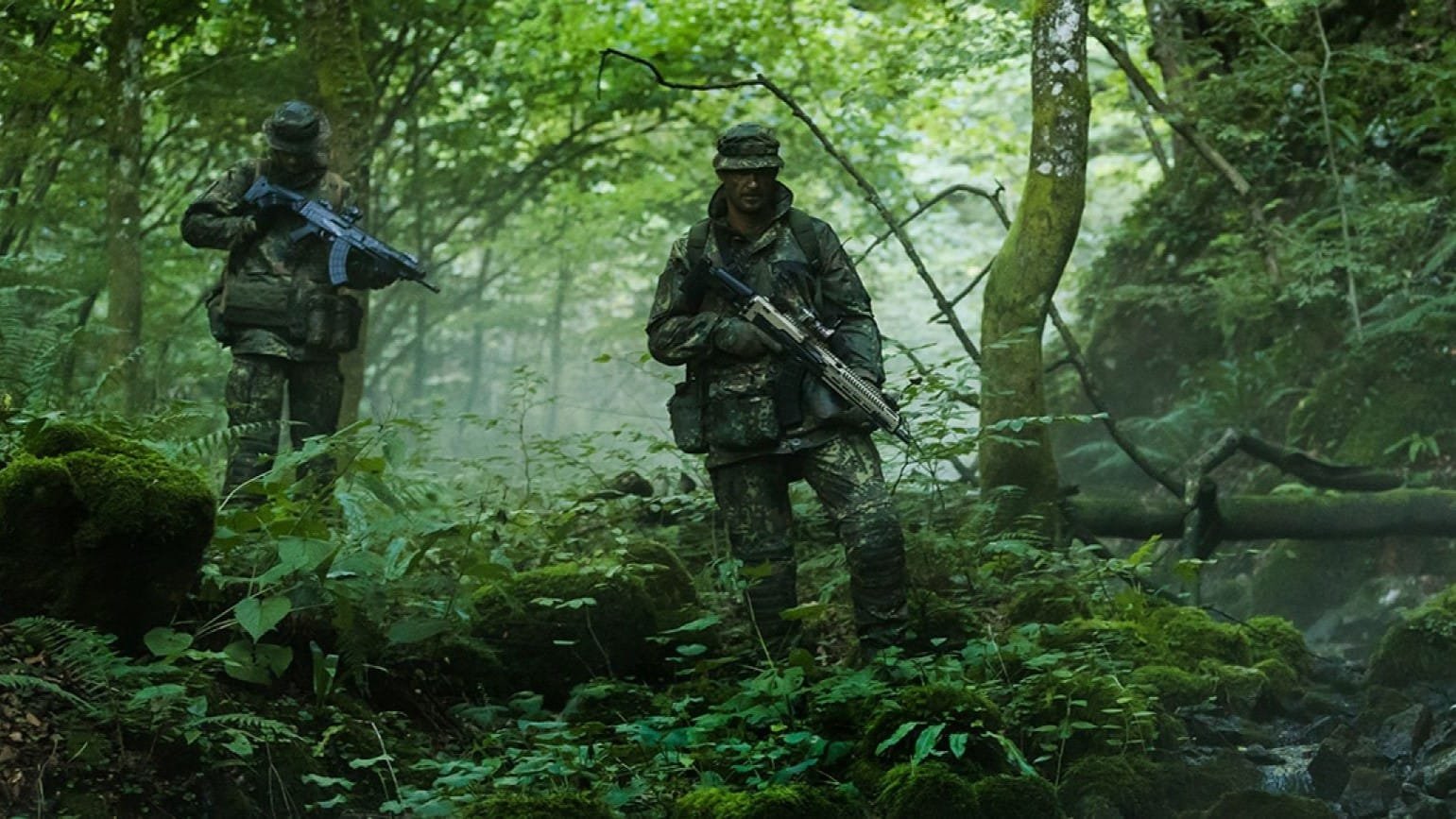
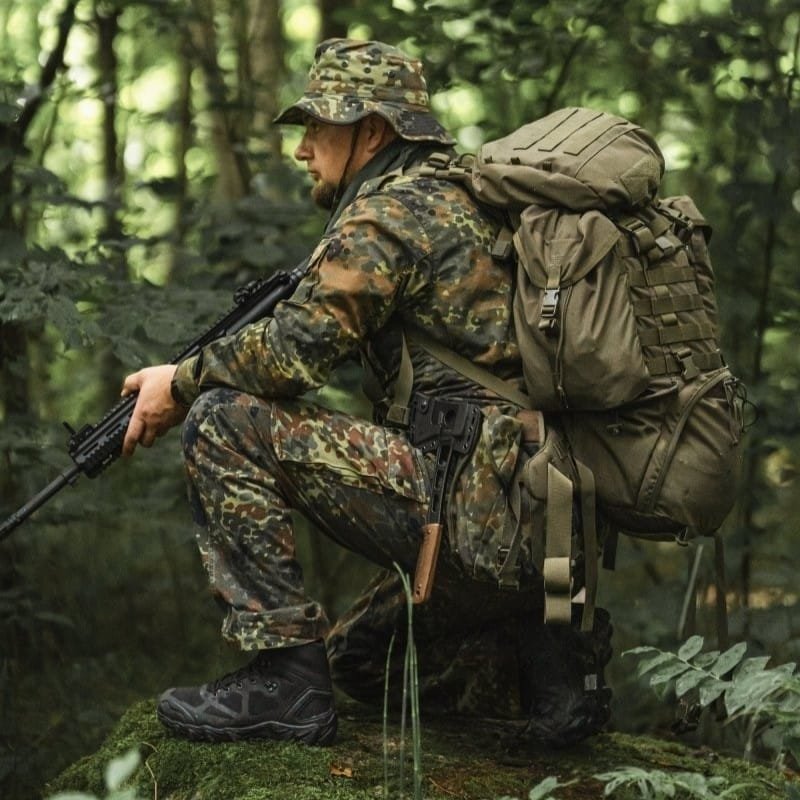
Flecktarn camo loadouts

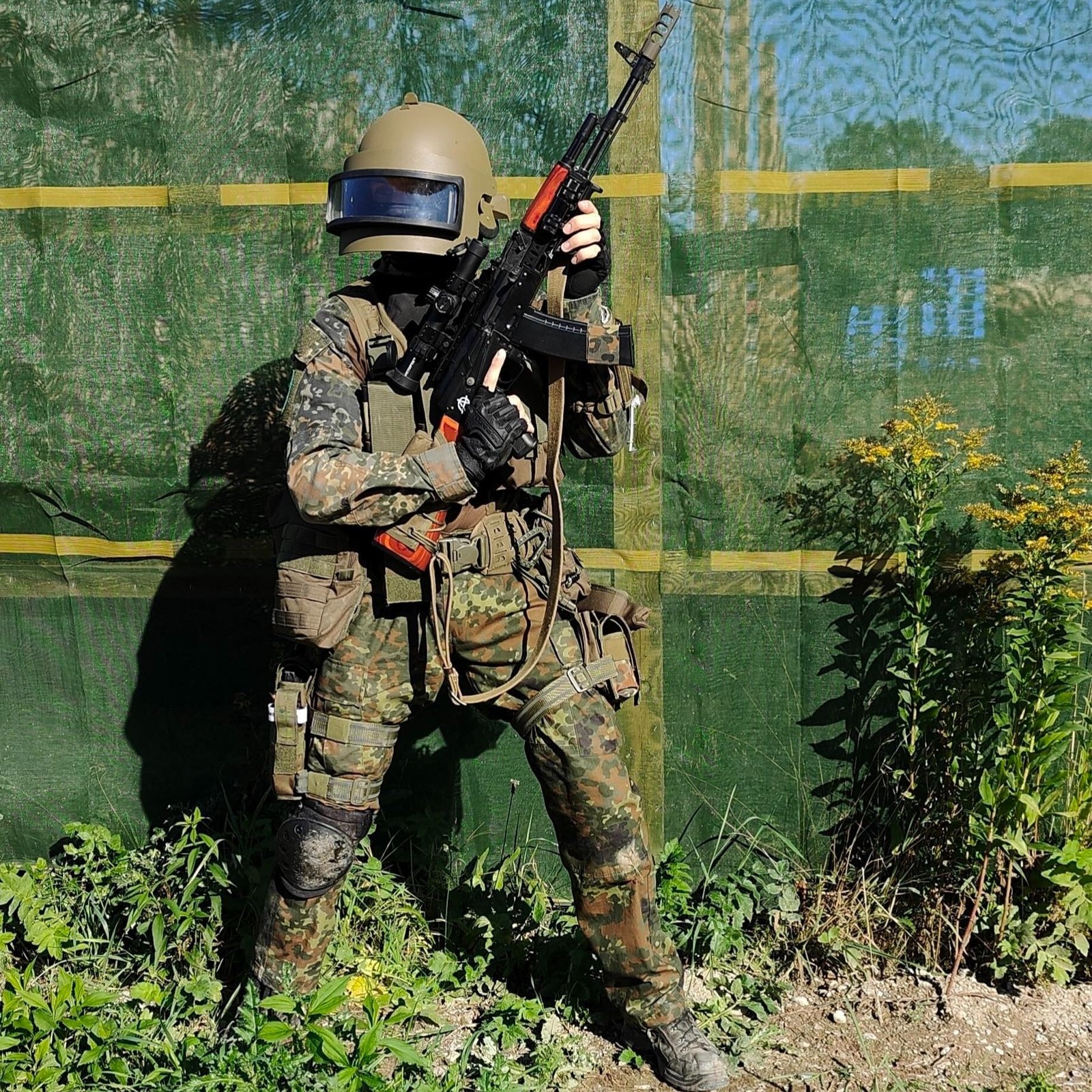
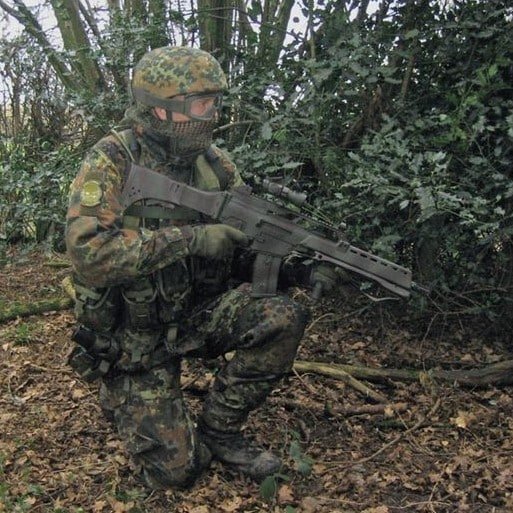
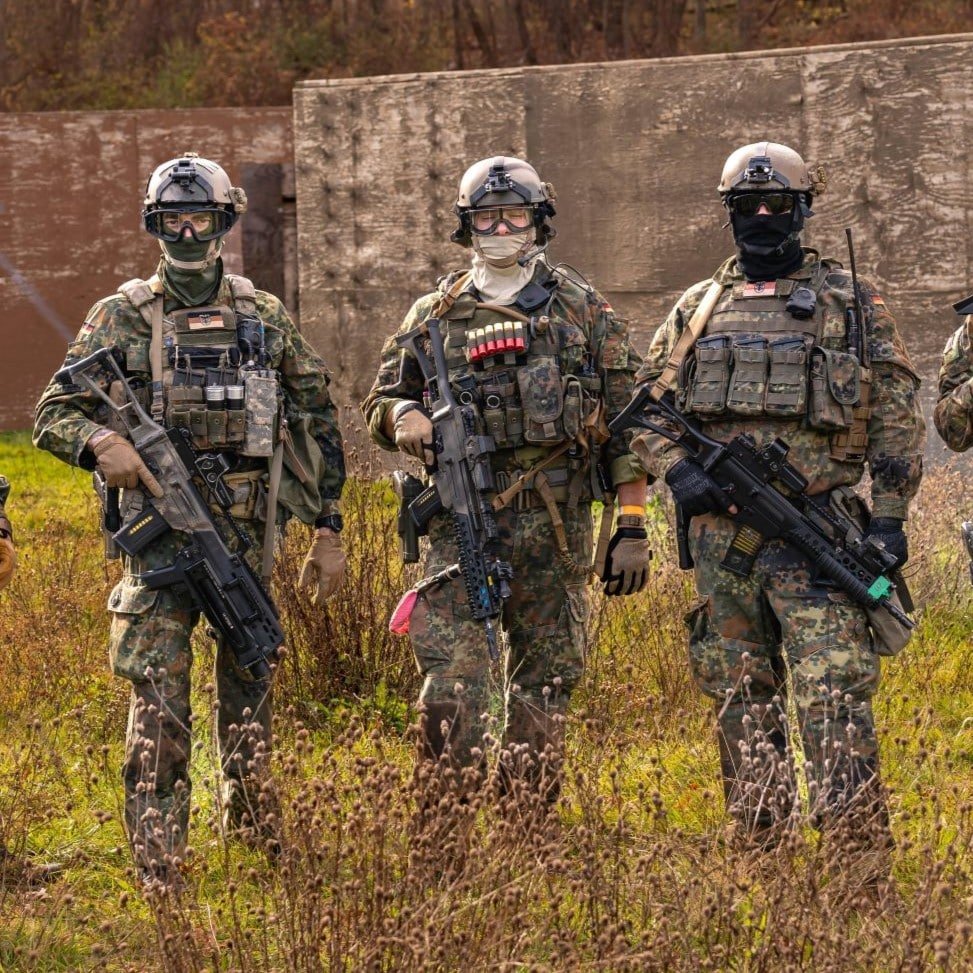
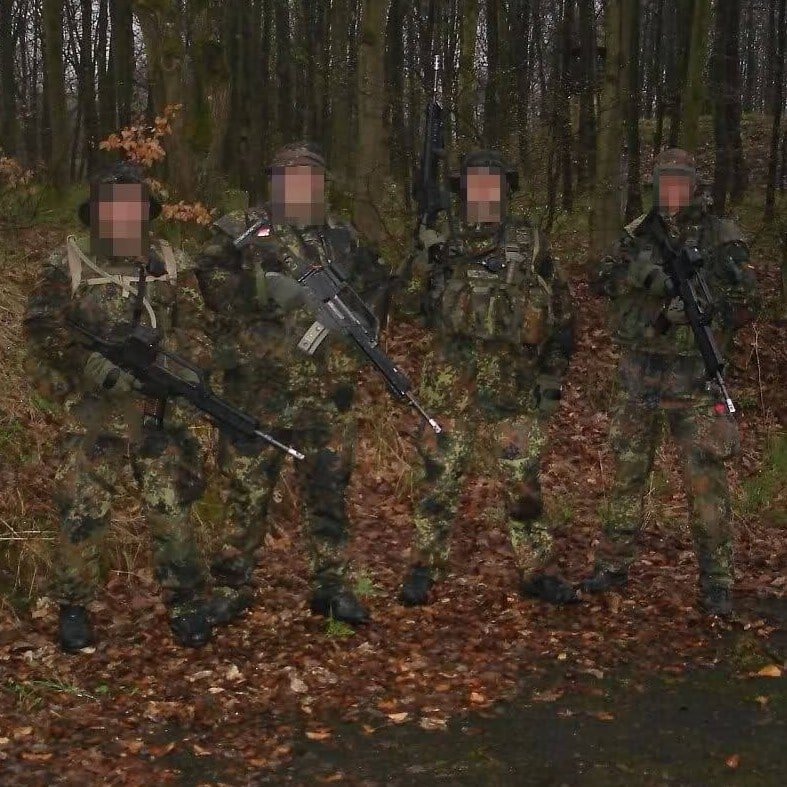
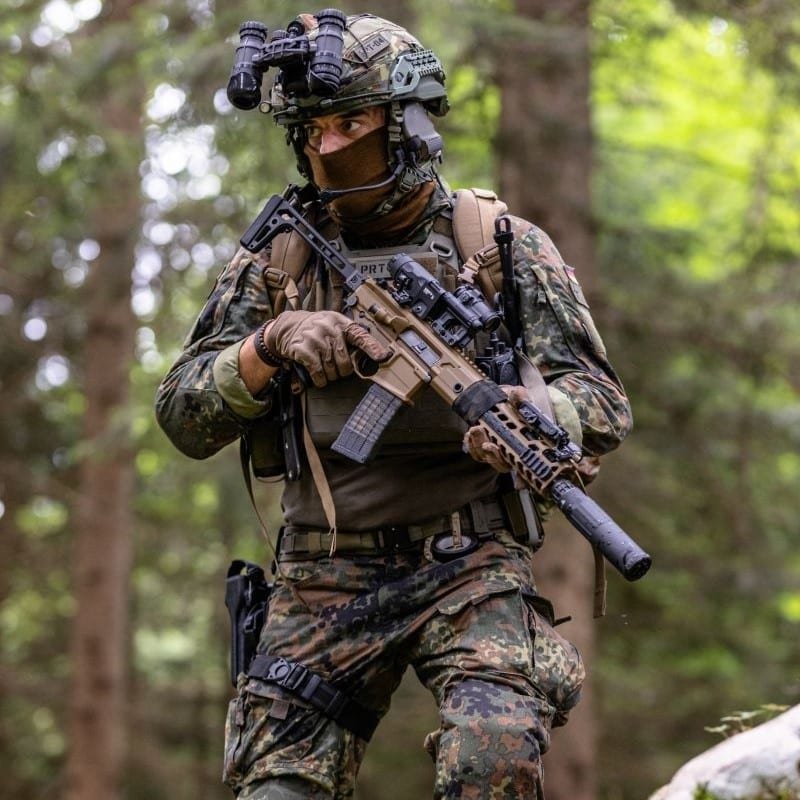
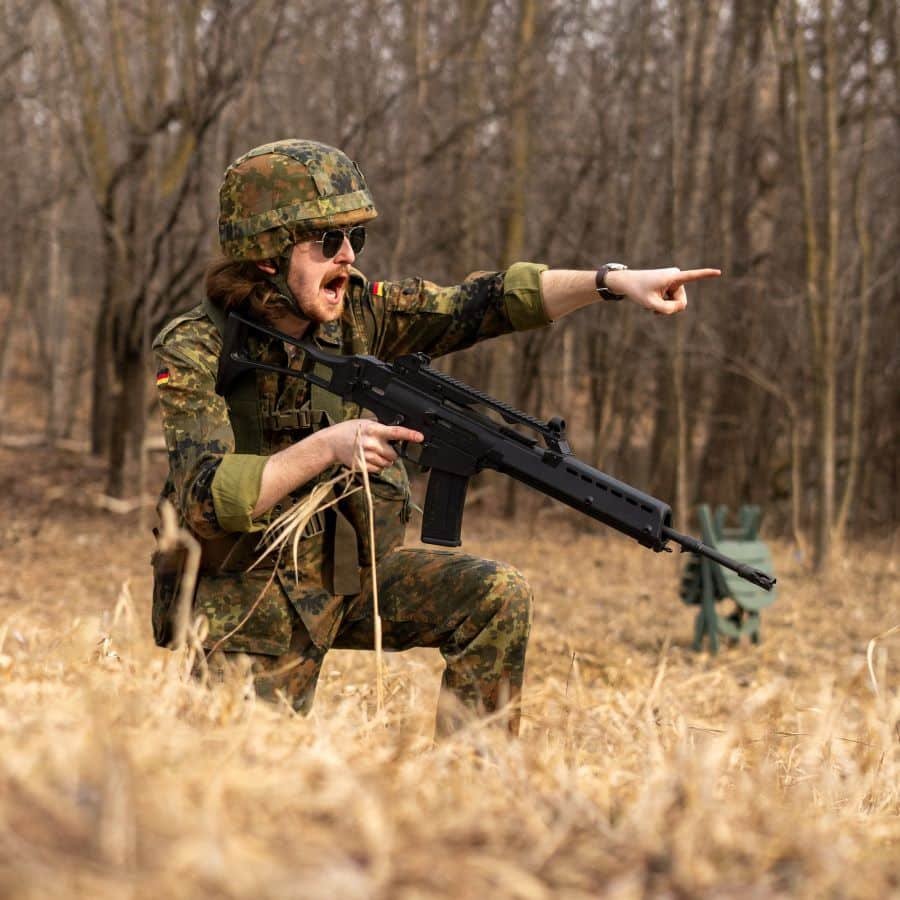
Camouflage only proves itself on the ground, not on a hanger. The loadouts below show Flecktarn where it belongs: worn in the field, under real light, against real cover. From full uniform setups to layered rigs and cold-weather configurations, these images capture how the pattern breaks up the outline at working distances and how operators build a complete Flecktarn kit around it.

Flecktarn where to use

Flecktarn camo : who use it and where?

Flecktarn is best known as the standard camouflage of the German Bundeswehr, which adopted it in the late 1980s after extensive trials. It remains in frontline service today and is one of the most recognizable military patterns in Europe. Its success spread well beyond Germany: variants and close copies have been worn by forces in Denmark, Belgium, Japan, China and elsewhere, each adapting the spot concept to their own terrain. Beyond regular armies, Flecktarn is hugely popular in the surplus market, with airsoft and milsim players, hunters, and outdoor users who want a proven woodland pattern at a fair price. The Bundeswehr also fields dedicated spin-offs, including Tropentarn for desert deployments and snow patterns for winter operations.

More about the Flecktarn camo

Flecktarn is a German military camouflage made up of dense clusters of small spots in green, brown, red-brown and black. Designed for temperate woodland, it’s the standard pattern of the German Bundeswehr and one of the most widely copied camouflages in the world.

The name is German, combining “Fleck” (spot or patch) and “Tarn,” short for “Tarnung” (camouflage). Put together, it translates roughly to “spot camouflage,” which describes the pattern’s signature scattered-dot design.

Flecktarn grew out of West German camouflage trials running back to the 1970s. The five-color version most people recognize was officially adopted by the Bundeswehr in 1990, and it has stayed in service ever since.

Yes. In temperate, leafy forest it’s considered one of the most effective patterns ever fielded, thanks to its dot clusters that blur into the background at distance. Its strength is environment-specific, so it performs best in green European-style woodland rather than desert or open ground.

Flecktarn is a fixed woodland pattern built for dense green forest, while MultiCam is a transitional pattern designed to work across many environments. Flecktarn often wins in pure temperate woodland; MultiCam is the more versatile all-rounder across mixed terrain.

Both target temperate forest, but they break up the outline differently. M81 Woodland uses large, bold blotches, while Flecktarn relies on many tiny spots that merge at range. Many users find Flecktarn blends more smoothly at mid distance.

MARPAT is a digital, pixel-based pattern; Flecktarn is analog, using rounded spot clusters. Both are highly effective in woodland, and the choice often comes down to terrain tone and personal preference rather than a clear winner.

Multitarn is a newer multi-environment pattern developed for the Bundeswehr to extend beyond Flecktarn’s woodland niche. Flecktarn stays sharper in dense green forest, while Multitarn aims for broader performance across varied terrain.

Yes. Tropentarn (sometimes called desert Flecktarn) swaps the green tones for tan and brown for arid deployments, and snow or winter variants lighten the palette for cold, white environments.

Start with a green or brown base coat, then build up layered clusters of small spots in brown, black and red-brown using a sponge or fine brush. Keep the dots tight and overlapping so they blend at distance rather than reading as separate marks.

Enter email to save 10% off, one time use
Save 0 % now!