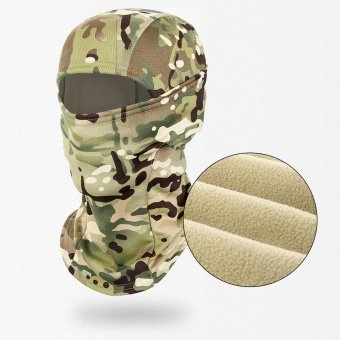
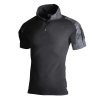
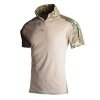
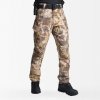
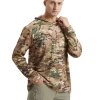
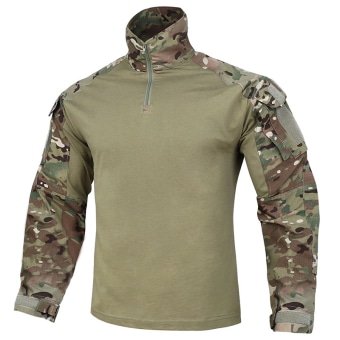
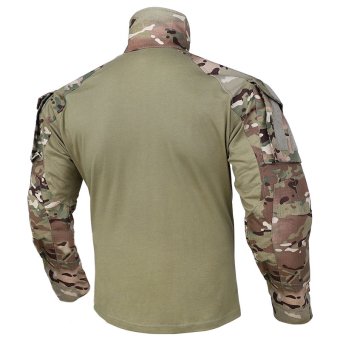
What colors are used in desert camo?
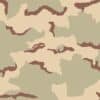
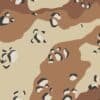
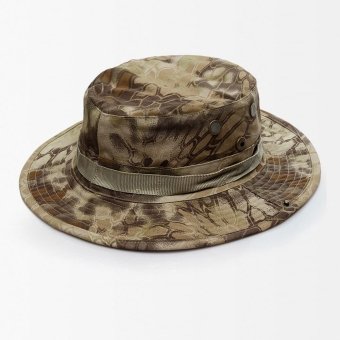
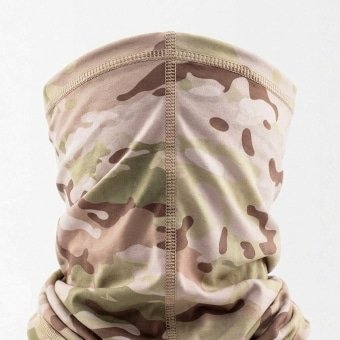
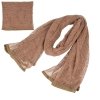
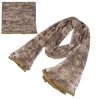
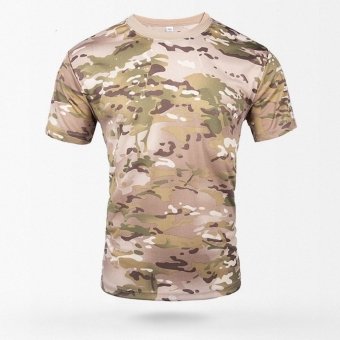
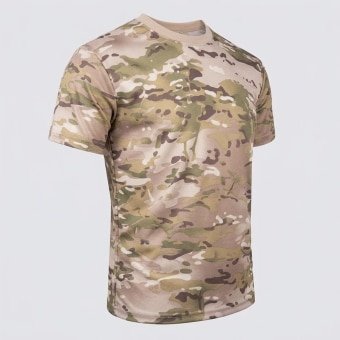
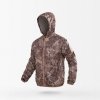
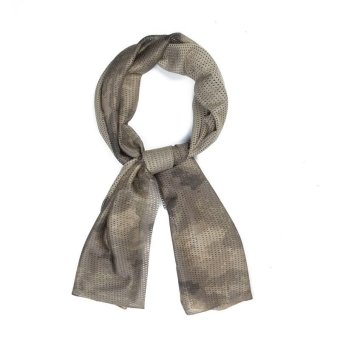
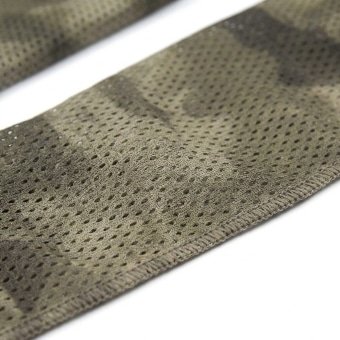
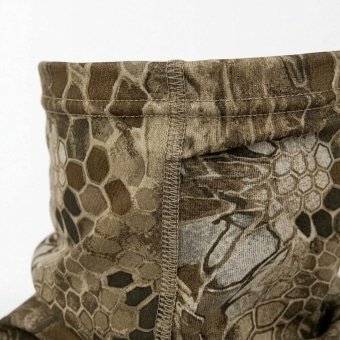
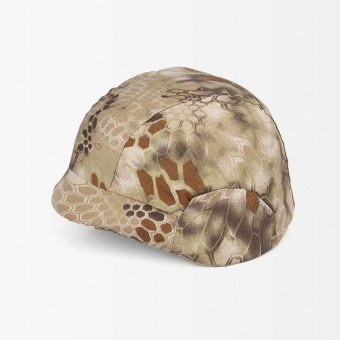
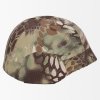
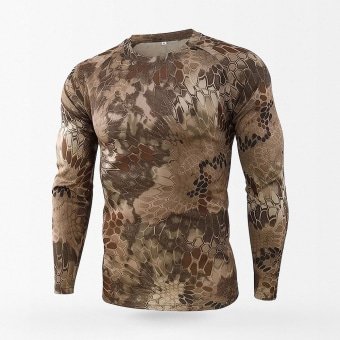
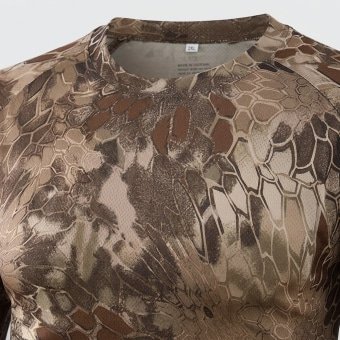
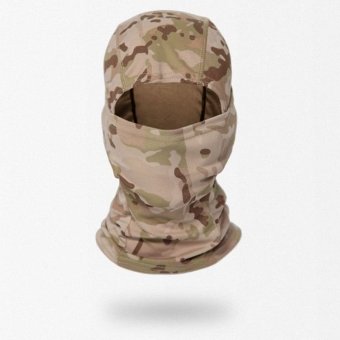
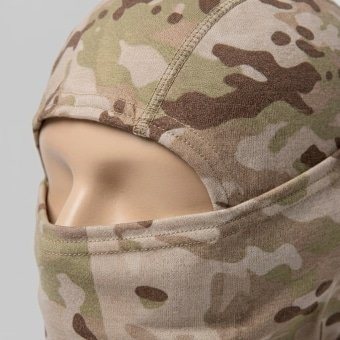
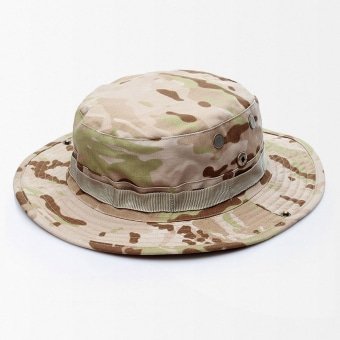
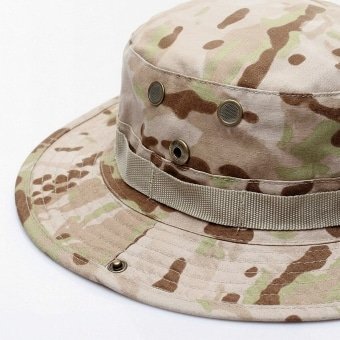
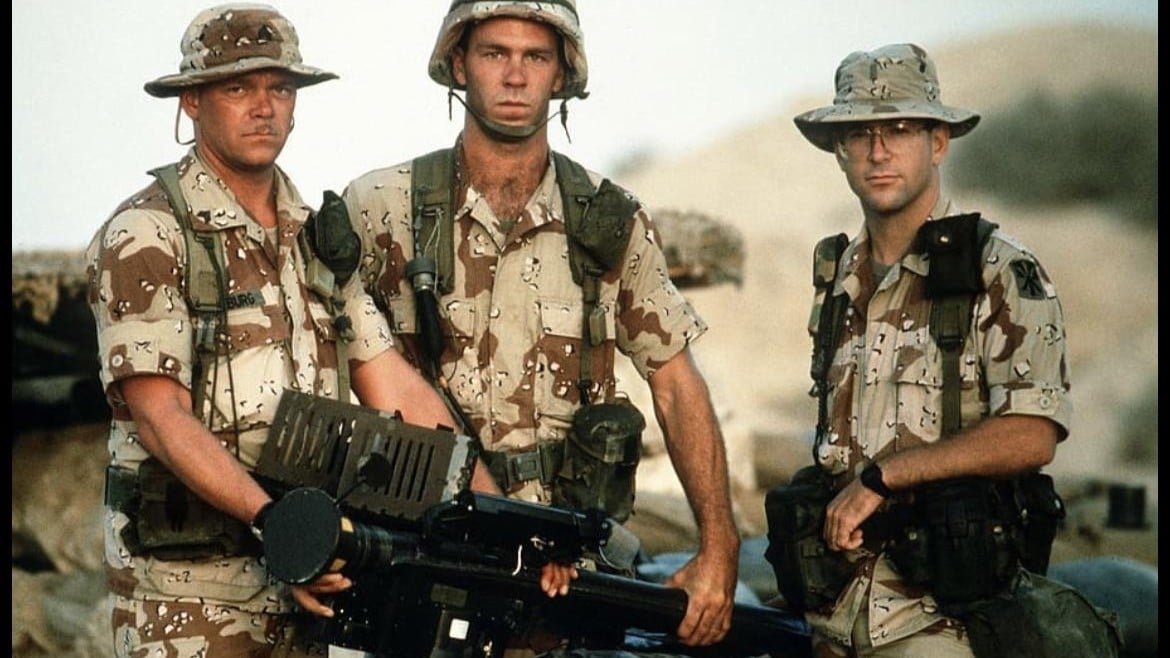
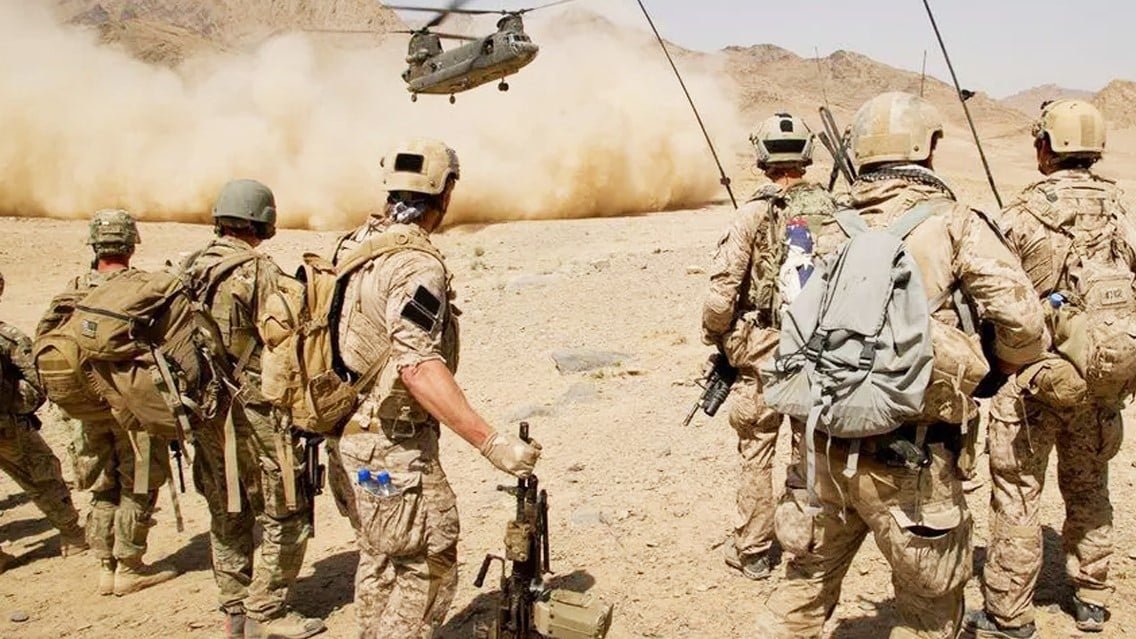
Desert camo usually uses light, dry, and muted earth tones. The most common colors are sand, tan, beige, khaki, light brown, cream, dusty grey, and sometimes darker brown for contrast. These colors are used because desert terrain is rarely one flat shade. It can include sand, rocks, dry grass, clay, dust, shadows, and sun-bleached soil.
The purpose of desert camouflage colors is to reduce contrast with arid terrain. Dark green, black, or heavy woodland tones usually stand out too much in open desert environments. Lighter colors help the wearer blend better with dry surroundings, especially in bright sunlight.
Not every desert camo pattern uses the same exact palette. Some are very light and sandy, while others include more brown, grey, or rocky tones. But the logic stays the same: desert camouflage is built around dry terrain colors, not forest colors.

What is the best desert camo pattern?
There is no single best desert camo pattern for every situation. The best desert camouflage pattern depends on the terrain, distance, light, season, and how the gear will be used. A pattern that works well on pale sand may not be ideal in rocky high desert. A pattern that looks good in dry grass may stand out on open beige terrain.
For tactical use, the best camo is the one that creates the lowest contrast with the environment. For airsoft, outdoor training, or hunting-inspired setups, you should look at the actual field first: sand, rock, dry grass, brush, clay, dust, or mixed terrain. For casual wear, the “best” desert camo is more about style, fit, and how easy it is to combine with the rest of your outfit.
Best desert camo for sand
For sandy terrain, lighter desert camo usually works best. Patterns with beige, sand, khaki, and pale brown tones are more adapted to open desert areas, dunes, dry paths, and bright sun exposure. In these environments, darker patterns can create too much contrast.
Best desert camo for rocky terrain
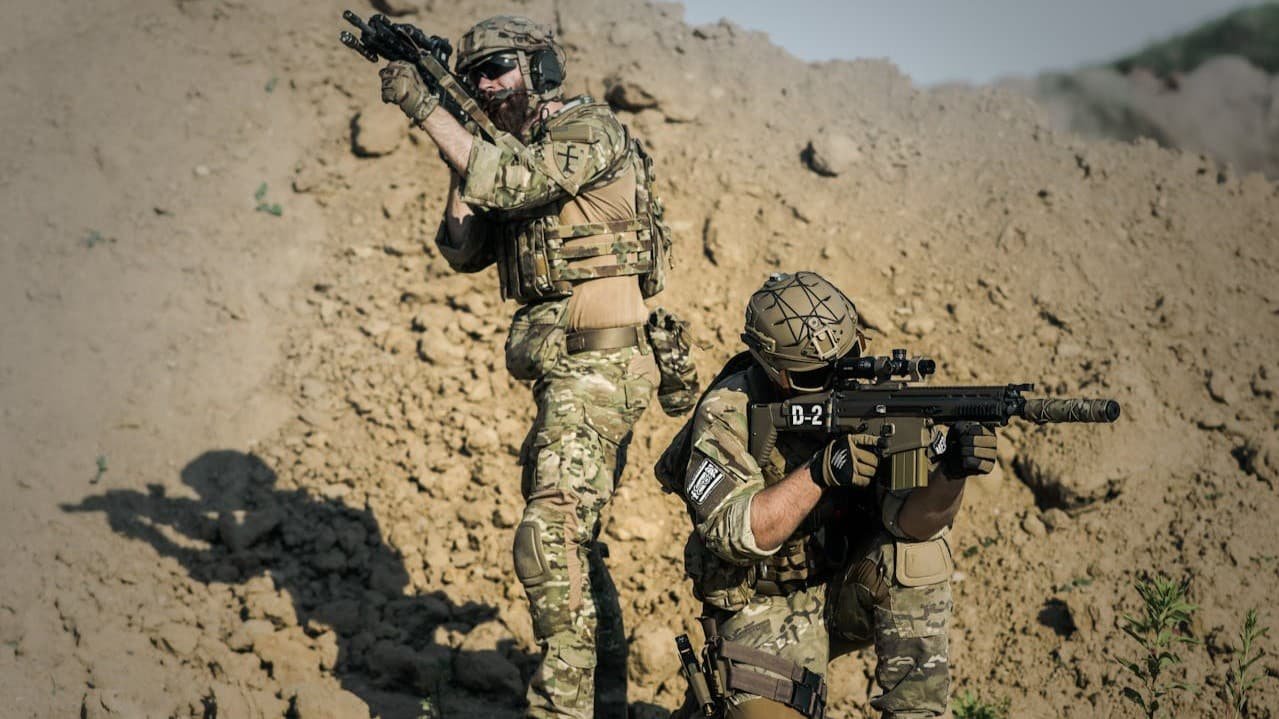
For rocky terrain, a desert camo pattern with more brown, grey, and mixed earth tones can work better than a very pale sand pattern. Rocks create shadows and irregular shapes, so a slightly more contrasted camouflage can help break up the silhouette.
Best desert camo for high desert and dry grass
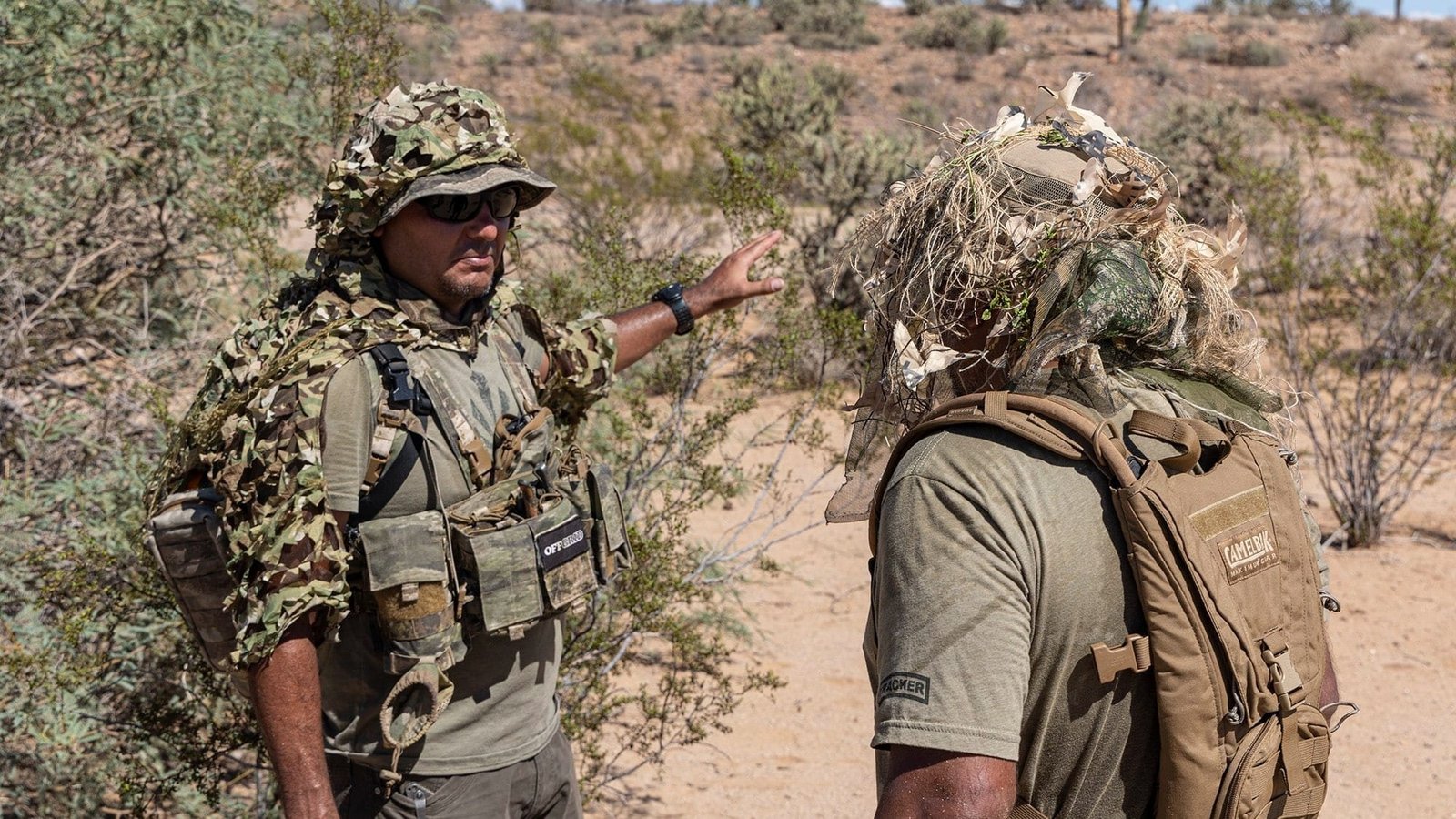
High desert and dry grass terrain often includes tan vegetation, pale soil, small rocks, and muted brown patches. In this type of environment, the best desert camo is usually not the brightest or the darkest option. A balanced arid palette with tan, khaki, light brown, and dusty tones is often more versatile.
What matches with desert camo?
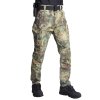
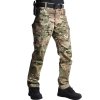
Desert camo matches best with solid, neutral, and tactical colors. The easiest colors to combine with desert camouflage are black, tan, khaki, coyote brown, olive drab, ranger green, grey, white, and sand. These colors support the camo without competing with it.
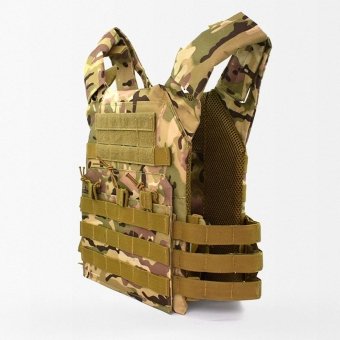
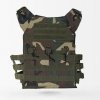
For a tactical outfit, desert camo works well with coyote brown boots, tan gloves, olive accessories, black tactical belts, and solid-color plate carriers or chest rigs. For a casual outfit, desert camo pants can be worn with a plain black, white, grey, olive, or tan t-shirt. A desert camo jacket can work over neutral clothing without making the full outfit look like a uniform.
The main rule is simple: avoid mixing too many camouflage patterns at once. Desert camo already has a strong visual identity. If you wear desert camo pants, keep the top simple. If you wear a desert camo jacket, use solid colors for the rest of the outfit. This keeps the look cleaner and easier to wear.
Can you wear desert camo in public?
Yes, desert camo can be worn in public as casual clothing, tactical streetwear, or outdoor wear. Desert camouflage is often easier to wear than darker camouflage because its colors are more neutral. Pants, jackets, hoodies, caps, and bags can all work in everyday outfits.
For public wear, one camo piece is usually enough. Desert camo pants with a plain top, a desert camo jacket over neutral clothing, or a desert camo cap with a casual outfit will look more balanced than a full uniform. A complete desert camouflage uniform is better suited for airsoft, training, reenactment, field use, or clearly tactical contexts.
The context matters. In most casual situations, desert camo is just a military-inspired style. But if the outfit looks too close to an active uniform, it can feel out of place. For everyday wear, keep it simple, avoid unnecessary insignia, and combine the camo with civilian pieces.
Does desert camo work in woodland?
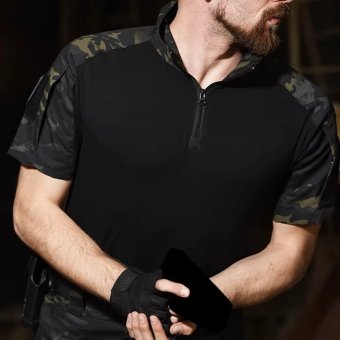
Desert camo is not ideal for woodland environments. Woodland terrain usually contains green vegetation, darker soil, tree shadows, and deeper contrast. Desert camouflage is lighter and drier, so it can stand out against green or dark backgrounds.
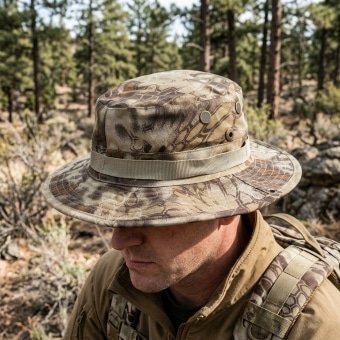
That does not mean desert camo is unusable in every wooded area. In dry woodland, autumn terrain, dead grass, pine forests, rocky scrubland, or dusty trails, some desert camo patterns may still blend reasonably well. But in dense green forest, woodland camo is normally the better choice.
For tactical use, terrain matching matters more than the name of the camo. If the environment is green and shadow-heavy, desert camo will usually be too bright. If the environment is dry, pale, dusty, or mixed, desert camo can still make sense.
Does woodland camo work in the desert?
Woodland camo usually does not work well in desert terrain. Its green and dark brown tones are designed for forests, vegetation, and shaded environments. In open sand, rocky desert, dry grass, or high desert terrain, woodland camouflage often looks too dark and too green.
There are historical cases where soldiers used woodland uniforms in desert regions. This was often linked to logistics, equipment availability, transitional periods, or the fact that the right desert uniforms were not always issued to everyone at the right time. That does not mean woodland camo was the best visual match for the terrain.
If the goal is camouflage performance in arid terrain, desert camo is generally the more logical choice. If the goal is style, historical impression, or a specific military-inspired loadout, woodland camo can still be part of the outfit, but it should not be treated as the best desert option.
How does camouflage work in the desert?
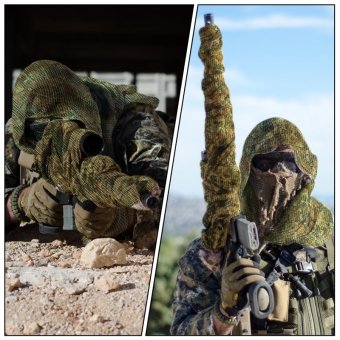
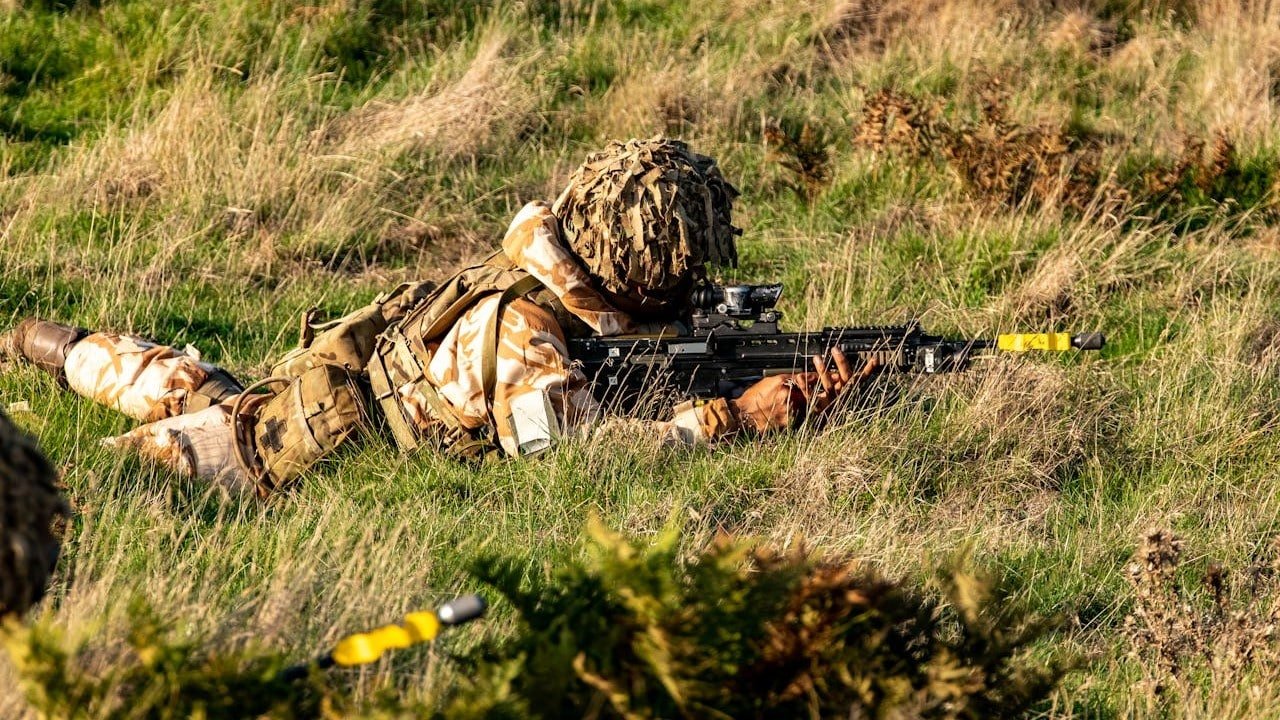
Camouflage in the desert works by reducing contrast, matching the dominant terrain colors, and breaking up the human outline. Desert environments are usually bright, open, and exposed. Because there is less dense vegetation to hide behind, color matching and silhouette disruption become especially important.
The first factor is color. Clothing that is too dark will stand out against sand and dry terrain. The second factor is pattern. Irregular shapes help break up the outline of the body, making it harder to recognize a person’s shape from a distance. The third factor is movement. Even good camouflage becomes less effective if the wearer moves quickly in open terrain.
Light also matters. Desert sunlight can be harsh, and shadows can create strong contrast. Dust, rocks, dry grass, and terrain texture all affect how a pattern performs. This is why desert camouflage is not only about looking “sand colored.” A good desert camo pattern needs enough variation to work across real arid environments.
Why is some desert camo pixelated?
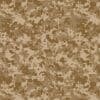
Some desert camo is pixelated because digital camouflage uses small square shapes to create visual disruption. The idea is to break up the outline of the body using a pattern made of pixels rather than traditional organic shapes. In desert versions, these pixels usually appear in tan, beige, brown, sand, or muted earth tones.
Pixelated desert camo is not automatically better than every other desert pattern. It is simply a different design approach. Traditional desert camouflage may use larger organic shapes, while digital desert camo uses smaller geometric elements. The effectiveness depends on the terrain, color palette, contrast, distance, and the specific pattern design.
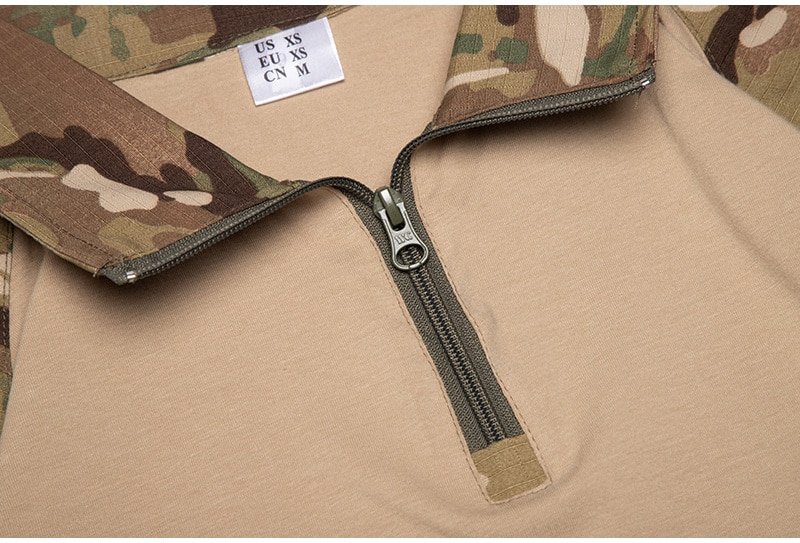
For users, digital desert camo is also a style choice. It has a more modern military look than many classic desert camouflage patterns, which makes it popular for uniforms, cargo pants, tactical shirts, boonie hats, jackets, and airsoft gear.